

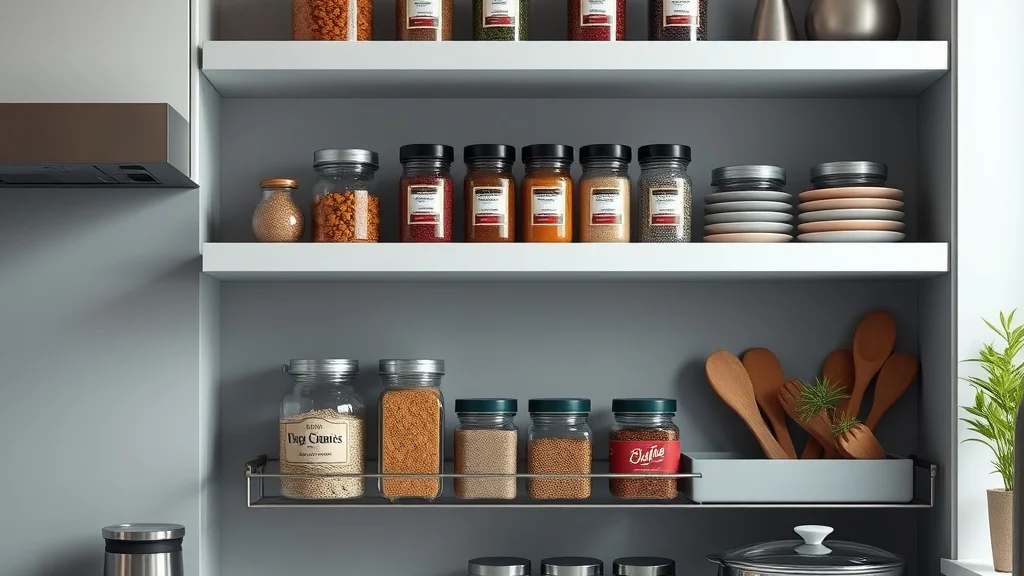
Organizing a kitchen can transform your cooking experience, making it more enjoyable and efficient. Among the many kitchen components that play a pivotal role in facilitating this transformation are spices. A well-organized spice collection not only enhances the aesthetics of your kitchen but also adds efficiency to meal preparation. This guide delves into the utilization of shelf risers and tiered storage systems for your countertop to keep spices perfectly organized. As we explore various methods, we’ll also dive into detailed comparisons and practical step-by-step instructions to help you achieve an organized kitchen.
The Importance of Spice Organization
Spices are the heart and soul of flavorful cooking, but disorganization can lead to frustration and waste. Proper organization ensures that all your spices are easily accessible, well-preserved, and visually pleasing. With a structured setup, you eliminate the guesswork involved in finding the right spice, which saves you time and makes cooking more enjoyable. Further enhanced by shelf risers and tiered storage solutions, this systematic approach also contributes to a more spacious and clutter-free countertop.
Shelf Risers: An Overview
Shelf risers are a clever innovation designed to maximize vertical space, especially on countertops or within cabinets. By creating additional layers, risers allow you to stack spices without overcrowding. Available in various materials like metal, plastic, and wood, these risers are functional and add a touch of sophistication to your kitchen design.
Tiered Storage: A Comprehensive Guide
Tiered storage systems are a step up from traditional shelving units. With multiple levels, these storage units are designed for easy access and visibility, eliminating the need to constantly rearrange or reach over items. Wood, metal, and acrylic tiered shelves are popular due to their durability and ease of cleaning.
Comparison: Shelf Risers vs. Tiered Storage
| Feature | Shelf Risers | Tiered Storage |
|---|---|---|
| Space Efficiency | Maximizes vertical space with additional layers | Increases visibility with multiple levels |
| Accessibility | Good vertical access but limited horizontal reach | Excellent access due to stepped design |
| Materials | Metal, Plastic, Wood | Wood, Metal, Acrylic |
| Visual Appeal | Simple and minimalist | Distinct and structured |
| Price Range | Economical | Moderate |
Step 1: Assess Your Spice Collection
Before purchasing organizers, it’s essential to assess the size and variety of your spice collection. Consider:
- The number of spice jars you own.
- The frequency of use for each spice.
- Any duplicates or expired items that can be discarded.
This evaluation aids in determining the needed size and type of storage system, ensuring optimal efficiency and organization.
Step 2: Determine Available Counter Space
The next critical step in spice organization is to carefully examine your available counter space. Ask yourself:
- How much space can I dedicate to spice storage?
- Is there sufficient lighting to keep the spices visible?
- Will the chosen space remain clutter-free to maintain accessibility?
Such considerations will prevent congestion and enhance the utility of your chosen storage solution.
Step 3: Choose the Right Shelf Riser
With a clear understanding of your needs and space, select a shelf riser that complements your kitchen aesthetic and functional demands. Important factors include:
- The material that matches your kitchen decor and is easy to clean.
- The size that sufficiently covers your spice collection.
- The weight capacity that supports all spices without sagging.
Step 4: Select a Tiered Storage System
If you prefer heightened visibility and accessibility, a tiered storage system might be preferable. Consider:
- Choosing materials like acrylic for a lightweight option or wood for a rustic look.
- Finding a system with levels sufficient to categorize spices by type or frequency of use.
- Ensuring the dimensions fit well within the designated counter space.
Step 5: Arrange Spices by Frequency of Use
Once your storage systems are in place, arrange spices according to how often they’re used. Keep these in mind:
- Frequently used spices should be easily accessible and placed at eye-level or front row of the tier.
- Lesser-used spices can be stored towards the back or on the higher tiers.
This strategic arrangement streamlines your cooking process, allowing easy retrieval of spices during meal preparation.
Step 6: Label Your Spice Jars
Labeling spice jars enhances both organization and accessibility. Here are some tips:
- Use waterproof labels to prevent fading or smudging.
- Consider color-coded labels for easy identification of spice categories.
- Ensure labels are large enough for easy readability but not too large to detract from the aesthetic appeal.
Step 7: Maintain a Spinning Spice Rack for Additional Functionality
Spinning spice racks are excellent additions to expand storage and accessibility options further. These racks:
- Allow 360-degree rotation for quick access.
- Are perfect for storing additional spices that do not fit in main storage.
- Keep space neatly organized, especially for repetitive cooking tasks that require multiple spices.
Step 8: Keep a Log of Your Spices
To avoid unnecessary purchases and ensure availability, keeping a spice log is invaluable. It’s vital to:
- Regularly update the log with new and exhausted spices.
- Maintain digital or printed copies accessible to all kitchen users.
- Use the log as a checklist for grocery shopping and meal planning.
Step 9: Regularly Declutter and Reorganize
Regular maintenance is crucial to keep your spice storage efficient and organized. Suggested practices include:
- Quarterly checks for expired or unused spices.
- Reorganizing based on seasonal cooking trends or new recipes.
- Refreshing labels and re-labeling if necessary.
Frequently Asked Questions
How do shelf risers improve spice organization?
Shelf risers add vertical space to store more spices without overlapping, making them accessible and reducing clutter.
What materials are best for tiered storage systems?
Wood, acrylic, and metal are popular due to their durability and ability to match different kitchen aesthetics.
How big should my spice rack be?
This depends on your spice inventory. Make sure it accommodates all spices you use frequently with room for extras.
Are there specific spices that should not be stored together?
Some spices like cloves can be pungent, and it’s best to keep them separate to avoid cross-flavors.
What is the ideal environment for storing spices?
Spices should be stored in a cool, dry place away from direct sunlight and heat to maintain their potency.
Can I use tiered shelves for other kitchen items?
Yes, tiered shelves are versatile and can be used to organize other kitchen essentials like canned foods or small utensils.
Is it better to keep spices in jars or their original packaging?
It’s generally better to transfer spices to uniform jars for better air-tight storage and label them for easy identification.
How often should I replace my spices?
While it varies, ground spices are best replaced every 1-2 years, while whole spices can last up to 4 years if stored correctly. Check prices on Amazon
Final Thoughts
An organized spice collection is essential for an efficient and enjoyable cooking experience. By incorporating shelf risers and tiered storage systems, you can maximize your kitchen space, enhance accessibility, and maintain a tidy countertop. Through careful assessment, strategic organization, and regular maintenance, you’ll create a harmonious kitchen environment, ultimately leading to more creative and flavorful culinary creations.
