

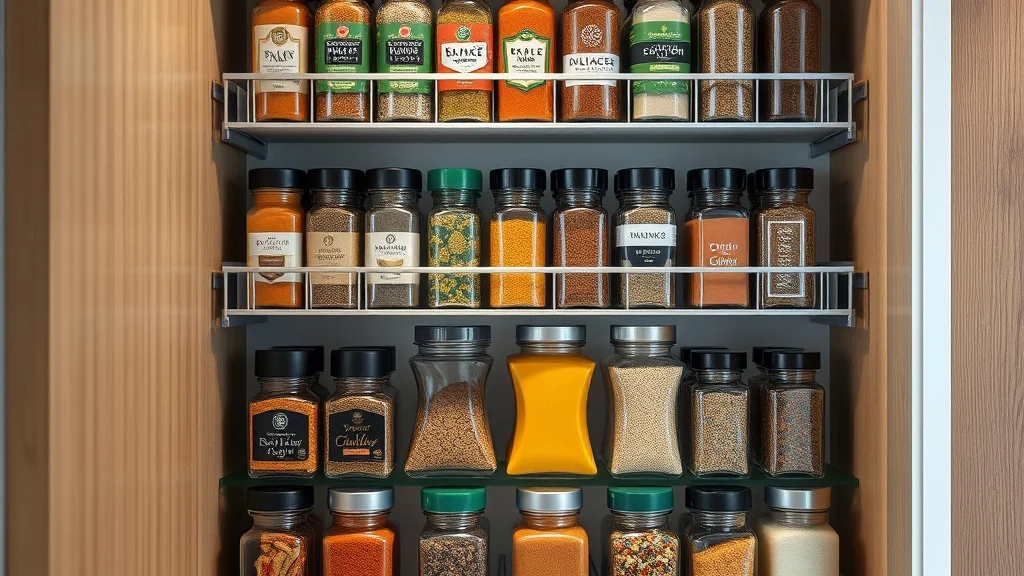
In a bustling kitchen, organization can be the secret ingredient to seamless cooking. Key to this is an efficient spice and seasoning storage workflow. With countless varieties used for baking, retaining order among them ensures everything is easy to find and reach. Whether you’re an avid baker or a culinary novice, taking the time to organize your spices can transform your baking experience. This article will guide you through a comprehensive spice storage setup, making sure your coveted spices and seasonings remain at your fingertips.
Understanding Spice Needs for Baking
The first step in setting up a spice rack is to understand what spices are essential for your baking ventures. Generally, baking spices include a selection of warm and sweet notes. Some typical baking spices are:
- Cinnamon
- Nutmeg
- Cloves
- Ginger
- Allspice
- Vanilla Extract
To avoid duplication, assess which spices you frequently use. Keeping track of these allows for a more tailored organization of your spice rack.
Decluttering: A Pragmatic Approach
Before you begin organizing, decluttering is essential. This means removing expired spices and condiments you rarely use. Expired spices lose potency, contributing little to your dishes. Follow these steps for efficient decluttering:
- Check expiration dates.
- Smell and taste for freshness.
- Discard similar or less frequently used spices.
This process minimizes confusion and ensures your spice rack is streamlined for everyday use.
Choosing Between Rack Types
Spice racks come in many shapes and sizes. Selecting the right style is imperative for supporting your workflow. Two popular types are:
- Cabinet pull-out racks: Ideal for limited spaces, these allow easy access and clear visibility.
- Countertop carousel racks: Providing vertical storage, these are advantageous for quick access.
Both types have their pros and cons, which should be weighed against your kitchen space and storage needs.
| Rack Type | Advantages | Disadvantages |
|---|---|---|
| Cabinet Pull-Out Rack | Space-saving, organized array | Limited capacity, requires installation |
| Countertop Carousel Rack | High capacity, easy to access | Takes up counter space |
Aligning Spices by Frequency of Use
A crucial strategy in organizing a spice rack is arranging items based on how often you use them. Such a setup minimizes time spent initially searching. Consider placing frequently used spices at the front or at eye level, while less frequently used ones can be stored toward the back or on higher tiers. For bakers, everyday spices like cinnamon and vanilla may take precedence.
Labeling for Efficiency
Labeling is the hallmark of an organized spice rack. Clearly marked labels aid quick identification, preventing duplicate purchases and wasted time. Invest in a label maker or durable pre-printed labels. Key benefits include:
- Firstly, ensures spices remain easily identifiable.
- Secondly, provides a uniform aesthetic.
- Lastly, makes it easy for others to navigate your kitchen space.
Maintaining Freshness with Proper Containers
Ensuring spices maintain their aroma and flavor is vital. Proper container choice can greatly impact spice longevity. Factors to consider include:
- Opaque or tinted containers to protect from light exposure.
- Airtight seals to prevent moisture infiltration.
- Perfect sizing to minimize empty space, reducing air exposure.
By maximizing freshness, each dish will harness the full flavor potent of your spices.
Implementing Rotating Systems
A rotating system can vastly enhance spice rack organization by guaranteeing older items are used before new stock. Much like a first-in, first-out (FIFO) system used in inventory catering, this approach minimizes waste:
- Add new spices to the back or bottom tier.
- Use older items first to ensure freshness.
- Track rotation dates to monitor usage.
Utilizing Drawer Inserts for Flat Storage
Drawer inserts can transform underutilized spaces into valuable spice storage zones. These inserts provide:
- Flattened storage to improve visibility.
- Ability to stack smaller spice jars efficiently.
- Clear separation to avoid mixing spices.
Choose inserts made from durable materials like acrylic or metal for long-lasting performance.
Assigning Categories to Your Spices
Spices can be grouped into categories for more structured access. By identifying categories such as sweet, savory, spicy, and ethnic, you streamline your cooking process. This method allows for: Check prices on Amazon
- Immediate identification, reducing preparation time.
- Facilitated meal planning with clear flavor delineations.
- Reduced redundancy by having all related spices clustered together.
Frequently Asked Questions
What is the best way to organize a spice rack?
Organize your spice rack by arranging according to frequency of use and use clear labels on your spice containers for easy identification.
How do I prevent spices from losing their flavor?
Store spices in airtight containers away from heat and light sources to maximize their shelf life and potency.
What should I do with expired spices?
Discard expired spices as they lose flavor and could impart off-flavors to your dishes. Consider using them for non-cooking purposes like making incenses or potpourri.
Is it okay to keep spices above the stovetop?
This is not recommended, as heat and steam from the stove could deteriorate the quality of the spices faster. Store them in a cool, dry place instead.
How often should I declutter my spice collection?
Review your spices every six months to discard expired items and reorganize to ensure that no spices are overlooked or duplicated.
Can I store different spices in the same jar?
To maintain authentic flavors, it’s best not to mix different spices in the same jar as their aromas might blend over time.
Should spice jars be uniform in size?
While uniform jars create a cohesive look, different sizes are okay if they accommodate the quantity of each spice. Prioritize functionality before aesthetics.
What is FIFO in terms of spice storage?
FIFO stands for First In, First Out. It is a system to use older stock before new stock to ensure all items remain fresh.
Overall, a well-organized spice rack not only saves time but elevates your cooking and baking experience. Efficient organization prevents duplicates and ensures all spices are easily accessible when needed. With thoughtful planning and periodic maintenance, you’ll create a storage workflow that keeps your kitchen running smoothly.
