

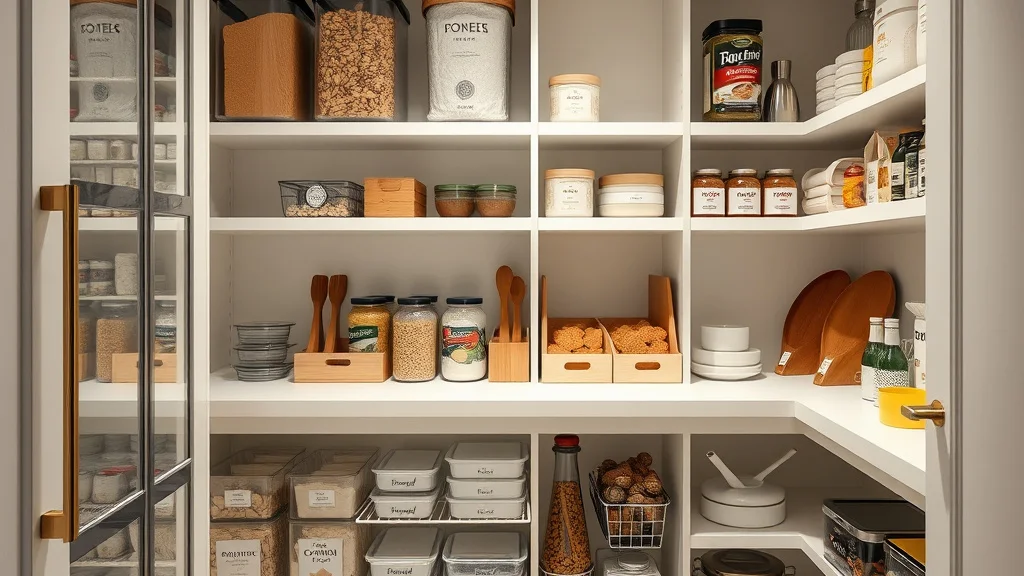
Keeping a pantry organized is a common challenge for many households. With various food products, snacks, spices, and more, maintaining an orderly space can seem impossible. However, effective pantry labels and organizational systems can make this task manageable. Not only do these systems help save space, but they also ensure that every household member can effortlessly find what they need, enhancing overall efficiency. This article dives into the details of what should be stored in pantry labels, different labeling systems, and how they can significantly transform your pantry. By understanding these components, you’ll be equipped to bring order to your kitchen and make the most of your pantry space.
Understanding Pantry Essentials
Before diving into labeling systems, it is essential to identify what should be included in your pantry. An organized pantry thrives on having the right essentials sorted and labeled. These commonly include dry goods such as:
- Pasta
- Rice
- Flour
- Sugar
- Canned goods
- Spices and seasonings
- Baking supplies
- Snacks and cereals
These items will fundamentally guide how you organize and label your pantry, facilitating a simplified and user-friendly system for all family members.
Choosing the Right Labeling System
The type of labeling system you choose hinges on functionality and aesthetic preference. Labels can be broadly categorized into two main types: handwritten labels and printed labels. Both have unique advantages and contribute significantly towards an efficient pantry organization. Below, we delve deeper into these options to help you decide which is better suited to your needs.
Advantages of Handwritten Labels
Handwritten labels offer a personal touch to your pantry organization system. The flexibility is unmatched when you can write directly on the labels with a chalk marker or pen. Key advantages include:
- Complete customization in terms of style and size.
- Easy to change contents as pantry stock updates.
- Cost-effective if you only need a few labels or change contents frequently.
This option is ideal for families who prefer hands-on tasks and are looking for a labeling method that is budget-friendly and adaptable.
Benefits of Printed Labels
Printed labels provide an elegant and professional look to your pantry. They are ideal for households that prioritize uniformity and elegance. Benefits include:
- Neat and consistent typography that enhances visual appeal.
- Durability, as printed labels are often waterproof and longer-lasting.
- Time-saving since they are pre-designed and ready for application.
Printed labels are optimal for larger households that require a more robust and permanent solution to their pantry organization needs.
| Features | Handwritten Labels | Printed Labels |
|---|---|---|
| Customization | High customization with variable styles and sizes | Limited to pre-designed options |
| Appearance | Personal and unique | Professional and uniform |
| Durability | Not resistant to moisture | Often waterproof and long-lasting |
| Cost | Budget-friendly | Potentially more expensive due to quality designs |
Step 1: Assessing Pantry Needs
The first step to optimizing your pantry involves assessing your needs and the specific items you store regularly. Translate these observations into a categorized inventory reflective of your household’s culinary habits. Consider factors such as dietary restrictions, family favorites, and frequently used ingredients. This personalized assessment ensures that your labeling system is tailored precisely to your household’s requirements.
Step 2: Choosing Containers and Jars
Selecting the right containers is as important as labeling them. Airtight containers preserve food freshness and extend shelf life. Look for options that are stackable and space-efficient. Label-friendly containers facilitate easy updates and enhance organization. Jars for spices and small items make a significant difference in maximizing space and keeping your pantry uncluttered.
Step 3: Designing and Printing Labels
Once the inventory and containers are set, proceed to design your labels. If opting for a handwritten setup, use chalkboard labels that can be wiped clean for re-labeling. For printed labels, consider downloading templates or ordering custom labels that fit your chosen containers. Keep a consistent font and color theme to maintain a cohesive aesthetic across your pantry.
Step 4: Implementing Zones
Strategic placement forms the essence of an organized pantry. Implement zone organization by grouping similar items together. Common zones include:
- Breakfast items: cereals, oats, spreads.
- Baking supplies: flour, sugar, chocolate chips.
- Canned goods: soups, beans, tomatoes.
- Snacks: chips, nuts, dried fruits.
This approach minimizes search time and increases ease of access, particularly helpful for children or those unfamiliar with the kitchen layout. Check prices on Amazon
Step 5: Teaching Family Members
Once the pantry is organized, educate family members on the system. Conduct a walkthrough explaining the zones and label purpose. Reinforce the importance of returning items to their designated spots. Regular reminders can establish lasting habits, ensuring pantry organization persists beyond the initial setup.
Incorporating Technology for Efficiency
Integrating technology offers advanced solutions for modern pantry management. Consider apps that track inventory, suggest meal plans, and alert you when supplies run low. These aids bridge the gap between manual inspection and intuitive management, coupling seamlessly with your labeling system.
Creating a Maintenance Routine
Consistent maintenance is key to preserving your pantry’s organizational system. Set monthly checks to scan expiration dates, inventory levels, and label accuracy. Establish a routine clean-up to refresh the space and adjust arrangements as needed, ensuring the pantry remains a streamlined necessity, not a forgotten mess.
Frequently Asked Questions
What should I consider when choosing a labeling system?
Factors such as budget, aesthetic preferences, and ease of use should guide your choice. Consider whether you need an adaptable system or a more professional, lasting solution.
How can I involve the whole family in maintaining an organized pantry?
Educate family members on the system and encourage them to participate in labeling and organizing. Regular checks and reminders will reinforce this practice.
Are there any pantry items that shouldn’t be stored in containers?
Items like potatoes and onions prefer airflow and shouldn’t be stored in airtight containers. Store them in mesh bags or baskets instead.
Can I mix and match labeling styles?
Yes, mixing styles is possible, but maintaining some level of consistency in font or color will aid in a cohesive look.
How often should labels be updated?
Labels should be updated monthly or as inventory changes to maintain an accurate reflection of your pantry contents.
What label materials are recommended for a humid climate?
In humid climates, waterproof labels or vinyl stickers are ideal due to their moisture resistance and durability.
How do I ensure the pantry stays organized over time?
Develop and follow a regular maintenance schedule, involving all family members in the process to instill responsibility and awareness.
Are there eco-friendly labeling options?
Yes, consider using recyclable materials like reusable chalkboard labels or switching to digital methods to reduce waste.
With the right strategy, organizing a pantry with labels and systems can be transformative for any household. By choosing the appropriate labeling system and effectively teaching these methods to family members, you create an environment that is both functional and visually pleasing. Embrace these steps, make informed decisions based on your needs, and enjoy a pantry that complements your lifestyle while maximizing space efficiency.
