

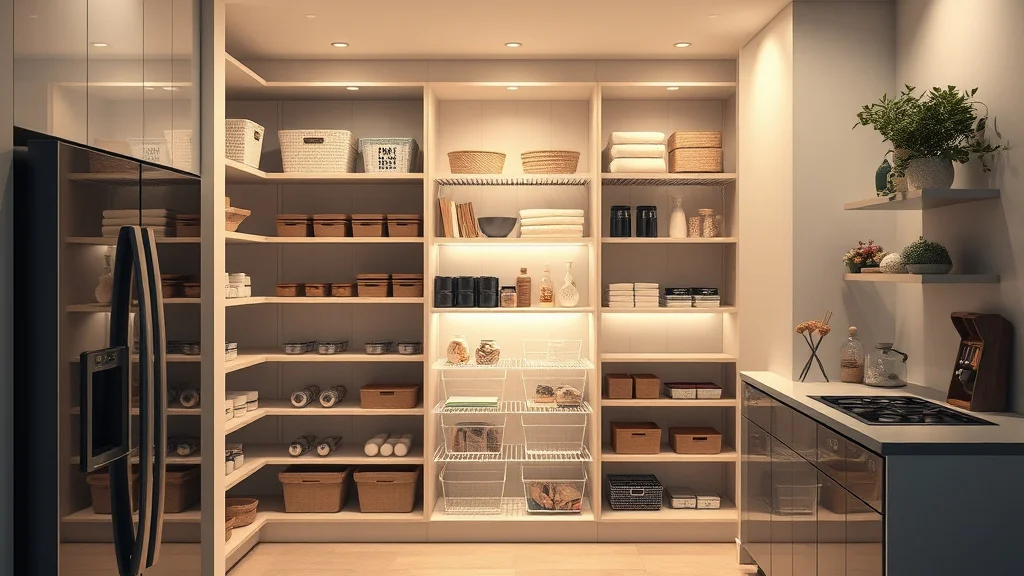
A well-organized kitchen pantry is an essential component of any efficient household. It serves as the central hub for meal preparation, providing easy access to ingredients and helping maintain a clutter-free environment. Whether you’re a culinary mastermind or someone who just enjoys a casual meal, a storage pantry can significantly enhance your cooking experience. From built-in cabinets to standalone units, the options are varied and can suit different needs and budgetary constraints. This guide will provide comprehensive insights into designing, organizing, and maintaining the perfect storage pantry for your kitchen.
Understanding the Types of Kitchen Pantries
Kitchen pantries come in various shapes and sizes, designed to cater to different storage needs and space constraints. Broadly, these can be categorized into built-in cupboards and freestanding pantry units. Understanding the pros and cons of each can aid in making an informed decision that aligns with your lifestyle and kitchen layout.
Built-In Cabinets
Built-in cabinets are integrated into your kitchen layout, offering a seamless look that aligns with the rest of your cabinetry. These are ideal for those with existing kitchen designs that accommodate additional storage, or for those undergoing renovations.
- Customizability to match kitchen aesthetics.
- Maximizes space utilization with wall-mounted options.
- Flexibility in design for tailored organizational needs.
Freestanding Pantry Units
Freestanding pantry units offer versatility and are ideal for renters or individuals who are looking for extra storage without committing to structural changes. They can be relocated as needed, which makes them a flexible option.
- Offers mobility, suitable for rented spaces.
- Available in a variety of sizes and designs.
- Doesn’t require elaborate installations and carpentry.
| Features | Built-In Cabinets | Freestanding Pantry Units |
|---|---|---|
| Installation | Requires professional installation | Easy to assemble and move |
| Customizability | Highly customizable | Moderately customizable |
| Durability | Highly durable with proper materials | Durability depends on material quality |
| Space Utilization | Maximized for specific kitchen spaces | Limited by standard dimensions |
Maximizing Space Efficiency
Space efficiency in a pantry is crucial for not only fitting all your essentials but also ensuring ease of access and navigation. Employing smart storage solutions like adjustable shelving, basket inserts, and tiered racks can significantly enhance functionality.
- Consider adjustable shelving for flexible storage configurations.
- Use pull-out racks and lazy Susans for better accessibility.
- Utilize stackable and clear storage containers to optimize visibility and organization.
The Role of Proper Lighting
Lighting plays a crucial role in transforming a pantry from basic to exceptional. Adequately illuminated spaces not only appear larger but also enable quick and easy access to every item, reducing the risk of items getting lost or overlooked.
- Install under-cabinet lighting for additional visibility.
- Use motion-sensor lights for efficiency and convenience.
- Incorporate ambient lighting to create a pleasant atmosphere.
Material Selection Matters
When it comes to material selection for your pantry, durability and maintenance are key considerations. From solid woods and laminates to metal finishes, each material offers different benefits and aesthetic appeal.
- Opt for moisture-resistant materials to prevent damage.
- Consider sustainable materials for an eco-friendly choice.
- Balance between durability and budget limitations.
Incorporating Technology for Smart Storage
In the era of smart homes, incorporating technology into your pantry design can offer sophisticated solutions to traditional storage challenges. From smart shelves to app-controlled inventory systems, technology can enhance efficiency in daily tasks.
- Use smart shelves with weight sensors to monitor stock levels.
- Install smart labels that sync with shopping lists and recipe apps.
- Incorporate charging stations for electronic devices within the pantry zone.
Organizational Tips and Strategies
Effective organization is the cornerstone of an efficient pantry. Using appropriate categorization strategies can streamline the process of finding and accessing ingredients or tools when you need them most.
- Create zones for different categories like baking, canned goods, and snacks.
- Use bins and labels for straightforward identification and retrieval.
- Rotate stock frequently to avoid expired goods.
Children-Friendly Pantry Designs
A family-friendly pantry design takes into consideration the accessibility of items for younger members. With child-safe features and smart positioning of items, it can encourage independence and foster healthy eating habits among children.
- Place healthy snacks at eye level for children.
- Install safety locks on specific cabinets or drawers for hazardous items.
- Use easy-to-open containers and dispensers for convenience.
Budget Planning for Pantry Projects
Budget considerations are crucial when planning a pantry project. With a plethora of options available, it’s important to prioritize features that provide the best value without compromising essential functionalities. Check prices on Amazon
- Set a realistic budget considering material and installation costs.
- Research DIY options for cost-effective installations.
- Opt for multi-functional units to get the most value for your investment.
Maintenance and Upkeep
Maintaining a tidy and functional pantry requires an ongoing commitment to upkeep. Regular cleaning and adjustments to organizational systems can prevent clutter and ensure long-term satisfaction with your pantry design.
- Clean surfaces and containers at least once a month.
- Regularly update labels and bins for clarity.
- Periodically review stock for expired items and reorganize as needed.
Frequently Asked Questions
What is the best way to start organizing my kitchen pantry?
Start by emptying all contents and categorizing items. This will give you a clear view of what you have, allowing you to plan an efficient layout and organization system.
How often should I reorganize my pantry?
It’s advisable to reorganize your pantry every few months or whenever restocking is necessary to maintain order and prevent clutter.
Are there recommended materials for pantry shelving?
Materials like plywood and solid wood are durable options. Consider moisture-resistant materials, especially for areas prone to humidity.
How can technology help in managing pantry stock?
Technology can keep track of inventory levels with smart shelves and apps, ensuring that you are aware of items that need restocking before they run out.
What is an eco-friendly way to redesign a pantry?
Use sustainable and recyclable materials and incorporate reusable containers and labels as a way to reduce environmental impact.
How can I make my pantry accessible to children?
Place baskets and containers at lower levels for easy access, and choose child-friendly storage solutions that are safe and within reach.
Is it worth investing in custom-built pantry cabinets?
Custom-built cabinets provide a tailored fit and aesthetics for your space, offering long-term benefits in both function and home value.
What lighting is best for a pantry?
LED lights are energy-efficient and provide excellent illumination, while motion-sensor lights add convenience for quick access.
Final Thoughts
Creating the perfect kitchen storage pantry requires a blend of function, design, and innovation. By thoroughly understanding the types, features, and strategic tips for organization and maintenance, you can curate a space that suits your culinary needs while maximizing efficiency and aesthetic appeal. Whether you’re designing from scratch or updating an existing pantry, the possibilities are vast and can be tailored to suit any lifestyle.
