

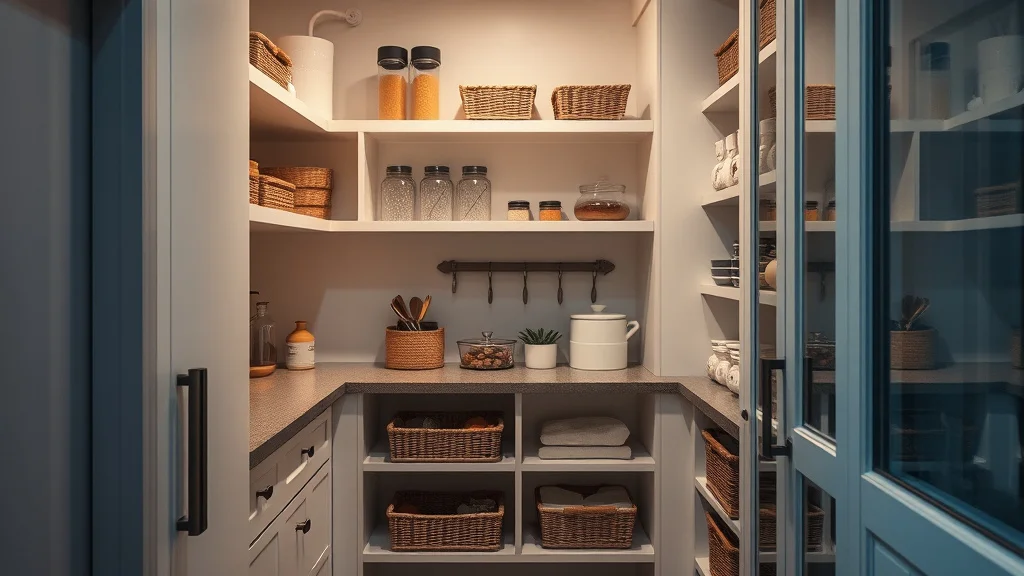
The heart of a well-designed kitchen is a thoughtfully organized pantry. Whether your pantry is a whole room or just a cupboard, maximizing storage space is crucial for maintaining a functional and efficient kitchen. A well-organized pantry not only helps you find what you need easily, but it also aids in meal preparation, helps prevent food waste, and creates a visually pleasing environment. With various tools and strategies at your disposal, creating an efficient pantry storage system can transform your kitchen into a seamless space of culinary creativity.
The art of pantry organization lies in understanding different types of storage solutions available and selecting ones that best suit your needs. From shelves to containers, every component plays a crucial role in ensuring that your pantry is both aesthetically pleasing and practical. This comprehensive guide will explore various storage solutions, helping you create a pantry that not only meets your immediate needs but also enhances your overall kitchen experience.
The Essentials of Pantry Storage Solutions
When considering how to organize your pantry, start by identifying the essentials. Stock and size vary widely between households, but the basic principles of pantry organization remain constant across the board.
- Visibility and Access: Items should be easily visible and accessible to minimize the hassle of finding what you need when you need it.
- Grouping: Organize items by category such as grains, snacks, canned goods, spices, and more, to simplify the process of finding and storing items.
- Labeling: Clear labels save time and reduce frustration by eliminating guesswork, especially when dealing with bulk goods stored in similar containers.
Choosing the Right Shelving
Shelving forms the backbone of pantry storage. The two primary types of pantry shelving are fixed and adjustable shelving. Understanding their differences can help you make an informed choice based on your specific needs and preferences.
Fixed Shelving: Ideal for a structured, permanent setup where items don’t change location frequently. These shelves offer greater stability and can support heavier items.
Adjustable Shelving: Offers flexibility and customization. They are perfect for spaces where the types and sizes of stored items vary. As your needs change, these shelves can be easily reconfigured.
| Aspect | Fixed Shelving | Adjustable Shelving |
|---|---|---|
| Flexibility | Low | High |
| Stability | High | Moderate |
| Cost | Moderate | Variable |
| Installation Complexity | Moderate to High | Low to Moderate |
The Impact of Containers and Bins
Containers and bins are essential tools for maintaining order within the pantry. They come in various shapes, sizes, and materials, each serving distinct purposes.
- Clear Containers: Allow you to see the contents easily, reducing the time spent searching for particular items.
- Stackable Bins: Maximize vertical space and ensure stability, especially when storing lightweight items.
- Airtight Containers: These are crucial for preserving the freshness of dry goods like cereals, grains, and snacks.
Utilizing Vertical Space
When square footage is limited, vertical space can become your best friend. Making use of height in your pantry allows for increased storage capacity without expanding your footprint.
- Ceiling-to-Floor Shelving: Exploit the entire wall by installing shelves that run from the floor to the ceiling.
- Door Racks: Perfect for storing spices, bottles, or small containers, door racks can turn an often overlooked space into a valuable storage area.
The Role of Lazy Susans and Turntables
Lazy Susans and turntables are particularly useful for accessing items stored deep within the pantry. These rotating platforms can save both space and time.
- Corner Utilization: Place lazy Susans in the corners of pantry shelves to make use of otherwise hard-to-reach areas.
- Organized Grouping: Use turntables for jars, cans, and bottles. Group similar items together so that a simple spin reveals everything you need.
Incorporating Sliding Drawers
Sliding drawers bring the contents of the pantry into the light by eliminating the need to reach into dark, hard-to-access corners.
- Ease of Access: A quick pull is often all it takes to bring even deep-stored items into view.
- Multiple Layers: Sliding drawers can be installed in tiered levels to accommodate various stored items, from pots and pans to small jars.
Open Versus Closed Storage
The debate between open and closed storage often comes down to personal preference and aesthetic choices.
- Open Shelving: Provides an airy, bright look and makes it easy to find items at a glance. However, it requires more maintenance to keep items looking neat and tidy.
- Closed Cabinets: Contain clutter effectively and protect pantry contents from dust and pests, but they can make small spaces feel cramped.
Innovative Lighting Solutions
Proper lighting can transform a pantry from a forgotten nook into an inviting part of the kitchen. It is essential for both practical and aesthetic reasons. Check prices on Amazon
- Shelf Lighting: LED strip lights installed under shelves illuminate contents effortlessly.
- Overhead Lighting: An overhead light fixture provides a general wash of light that brightens the entire pantry.
Consider Seasonal Reviews
Even the best-organized pantries need occasional reviews to maintain their optimal function and appearance. Seasonal reviews help you assess what is working and make necessary adjustments.
- Inventory Checks: Conduct regular checks to ensure foodstuffs are within their expiry dates and keep your pantry well-stocked with essentials.
- Reorganize for Efficiency: As seasons change, so do your meal-prepping habits. Adjust your pantry to reflect your most frequently used items for the coming months.
Frequently Asked Questions
How can I maximize space in a small pantry?
Utilize vertical space with ceiling-to-floor shelving, door-mounted racks, and stackable bins. Clear containers and labels can also help in maximizing efficiency.
What type of shelving is best for heavy items?
Opt for fixed shelving, which offers greater stability and support for heavy items. Ensure the panels are of good quality material and properly mounted.
How do I maintain long-term organization in my pantry?
Regularly check inventory and keep an eye on expiry dates. Label everything clearly and ensure everything has a specific place to be returned after use.
Are there specific containers recommended for pantry storage?
Clear, airtight containers are best for storing dry goods, while stackable bins allow for better organization of various items. Turntables may help with easy access to items in the back.
Do sliding drawers offer more benefits than traditional shelves?
Sliding drawers allow for easier access to items stored at the back and can prevent the mess caused by rummaging through stacked items.
Should I opt for open or closed pantry shelves?
Open shelving offers better visibility and ease of access but requires more upkeep. Closed shelving better contains items and is more protective against pests.
Can lighting really make a difference in the pantry?
Yes, proper lighting can significantly enhance a pantry’s usability, making it easier to find items and creating a more pleasant environment.
How often should I reorganize my pantry?
A good practice is to review the pantry seasonally or quarterly, particularly to evaluate any expired items and make adjustments to suit changing culinary habits.
Final Thoughts
A well-organized pantry is more than just a storage area; it’s an integral part of a functional kitchen that impacts daily activities and meal prep efficiency. By adopting the right shelving, utilizing containers, and maximizing vertical space, you can transform your pantry from a disheveled cupboard into a well-oiled machine. With regular upkeep and a bit of creativity, your pantry will not only meet all your storage needs but also contribute to an aesthetically pleasing kitchen environment.
