

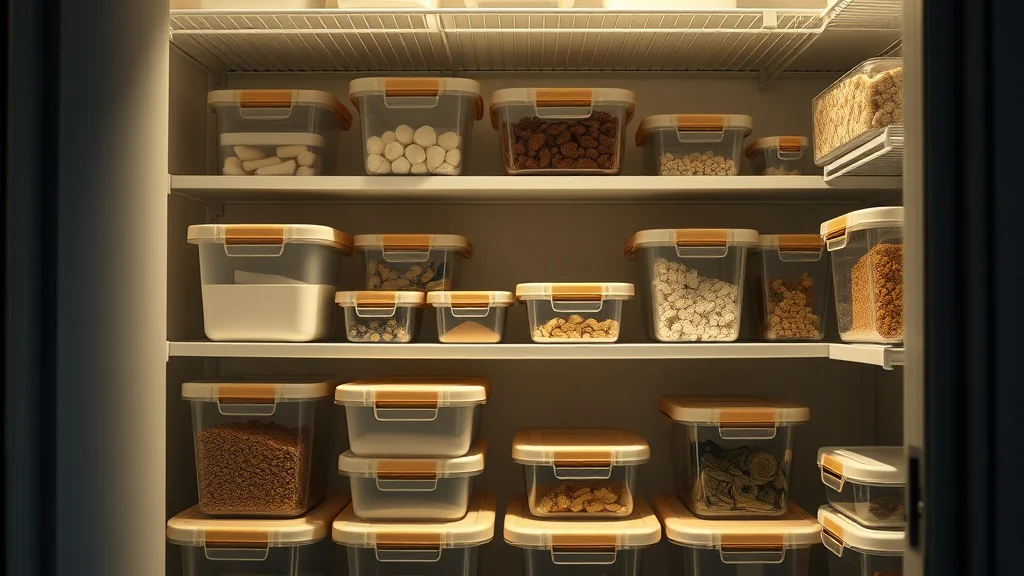
In the pursuit of a more organized and efficient home, particularly when it comes to keeping the pantry tidy, plastic containers have become a popular storage solution. The kitchen is a space of constant activity, where good organization can make the difference between a pleasant cooking experience and a stressful one. With a myriad of options available, choosing the right plastic container is critical in optimizing pantry space, maintaining food freshness, and streamlining kitchen processes. This article explores the various aspects of using plastic containers for pantry storage, guiding you in understanding their benefits and potential drawbacks to help you make the best choice for your home.
Benefits of Using Plastic Containers for Pantry Storage
Plastic containers offer a practical solution for keeping your pantry organized. Their popularity can be attributed to several benefits:
- Durability and Resilience: Most plastic containers are designed to be lightweight yet tough, capable of withstanding knocks and falls without breaking.
- Airtight Protection: Many plastic containers are equipped with airtight seals that help keep out moisture and pests, preserving the freshness of your food.
- Variety and Customizability: Available in a range of sizes and shapes, plastic containers can be customized to fit any pantry setup, making the most of available space.
Types of Plastic Containers
When selecting plastic containers for pantry storage, there are primarily two types to consider: hard plastic and flexible plastic containers. Each has unique properties suited for different needs.
Hard Plastic Containers vs. Flexible Plastic Containers
Each type of plastic container offers distinct advantages, and the choice often depends on specific pantry needs and personal preferences. Here’s a breakdown of their key differences:
| Feature | Hard Plastic Containers | Flexible Plastic Containers |
|---|---|---|
| Durability | High; resistant to warping and cracking | Moderate; may be prone to tearing under heavy weight |
| Stability | Excellent; maintains shape when stacked | Average; can buckle or deform under weight |
| Transparency | Often clear, visibility of contents | Variable; can be translucent or opaque |
| Cost | Generally higher | More budget-friendly |
| Sealing Capability | Usually airtight with strong seals | Varies; some may not seal as tightly |
Choosing the Right Size and Shape
One of the critical elements in organizing a pantry is selecting the right size and shape of containers. This choice impacts how efficiently the available space is used:
- Stackability: Opt for containers with flat lids to facilitate stable stacking, saving vertical space.
- Space Efficiency: Rectangular or square containers use space more effectively than round containers.
- Volume Suitability: Select sizes that match the typical volume of items stored to avoid wasting space.
Matching Container Material with Storage Needs
Different plastics have different properties, making some more suitable than others depending on what you need to store:
- Polycarbonate and Acrylic: Clear and sturdy, ideal for items you frequently need to check on.
- Polypropylene: Lightweight and robust, suitable for a wide variety of pantry items.
- PET (Polyethylene Terephthalate): Good for dry foods and spices, resistant to oils and solvents.
Organizing With Labels
Labeling is a simple yet effective strategy to enhance pantry organization:
- Clarity and Efficiency: Labels provide immediate identification, reducing the time spent rummaging for items.
- Consistency: Maintain uniformity in label appearance for a clean, cohesive look.
- Updating System: Use erasable options or removable labels for flexibility as pantry contents change.
Maintenance and Cleaning Tips
Caring for your plastic containers extends their lifespan and ensures hygienic storage:
- Regular Washing: Clean containers regularly with mild dish soap and warm water to prevent build-up of residues and odors.
- Avoid Abrasives: Use soft sponges to prevent scratches that can harbor bacteria.
- Thorough Drying: Ensure containers are completely dry before restocking to avoid mold and mildew.
Safety Considerations
While plastic containers are convenient, certain precautions should be kept in mind when using them for food storage:
- BPA-Free Options: Prefer containers labeled as BPA-free to minimize exposure to harmful chemicals.
- Safe Temperature Limits: Avoid using in high-temperature settings unless specified as microwave or dishwasher safe.
- Periodic Inspection: Check containers for wear or damage to ensure continued safety and functionality.
Eco-Friendly Plastic Options
For those conscious of environmental impact, there are eco-friendly plastic containers available:
- Recyclable Plastics: Choose containers that are made from recyclable materials, reducing landfill waste.
- Biodegradable Alternatives: Some plastics are designed to be biodegradable, offering an environmentally responsible choice.
Budgeting for Plastic Containers
When purchasing plastic containers, budgeting considerations play a significant role:
- Bulk Purchase Savings: Buying sets of containers can often be more cost-effective than purchasing individually.
- Quality vs. Cost: Investing in higher quality can offer long-term savings by reducing the need for frequent replacements.
Frequently Asked Questions
Are plastic containers safe for all types of food?
Most plastic containers are safe for food storage, especially if they are BPA-free. However, they are best for dry goods, and you should avoid storing acidic or oily foods long-term. Check prices on Amazon
How can I avoid staining in my plastic containers?
To prevent staining, try using liners for foods known to cause discoloration, like tomato-based products. Immediate cleaning after use also reduces staining.
Can I microwave plastic containers?
It depends on the container material. Look for ones explicitly labeled as microwave-safe to prevent chemical leaching.
How do I ensure that containers are truly airtight?
Check for a resilient silicon seal on the lid and test by partially submerging the closed container in water to see if any air bubbles escape.
What’s the best way to keep track of expiry dates?
Using a dry-erase marker on the lid or a sticky note on the container can help track the expiration date of stored foods.
Is there a way to eliminate odors from plastic containers?
Cleaning with baking soda or vinegar can help neutralize lingering smells. Ensure thorough drying before reusing.
Can plastic containers be recycled?
Many plastic containers are recyclable; check the bottom for recycling codes and consult your local recycling program for specifics.
What’s the expected lifespan of a plastic container?
With proper care and depending on usage, good quality plastic containers can last from a couple of years to over five years.
Final Thoughts
Embracing plastic containers for pantry storage can vastly improve the functionality and aesthetic of your kitchen space. From selecting the right type of container to understanding their benefits and drawbacks, making informed choices can lead to a clutter-free and efficient pantry. Whether you’re driven by functionality, environmental concerns, or aesthetics, the right plastic containers can significantly enhance your kitchen organization efforts. As you explore the variety of options available, consider your specific storage needs, preferences, and budget to create a well-organized, attractive, and practical pantry.
