

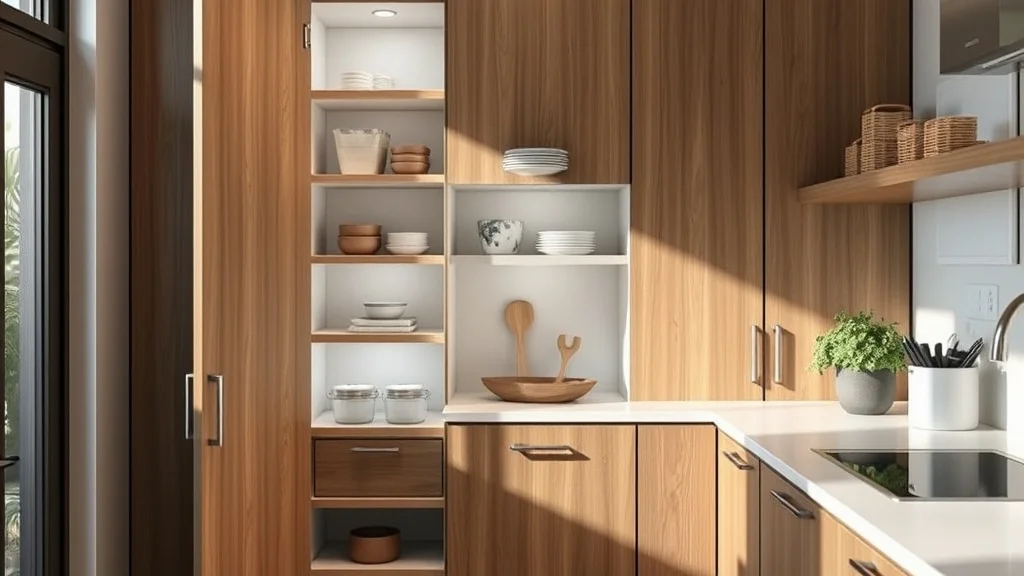
In an era where organized living spaces have become crucial for maintaining a peaceful and efficient home environment, the wood pantry storage cabinet emerges as an indispensable fixture. Resilient and aesthetically pleasing, these cabinets blend seamlessly into various kitchen themes while providing practical storage solutions. As more households adopt minimalistic and functional kitchen designs, the popularity of wood pantry storage cabinets continues to surge. In this guide, we will explore the different types of wood pantry storage cabinets, their practical benefits, considerations before purchase, and how they can be best utilized to optimize kitchen space. Whether you are a new homeowner or simply wishing to revamp your kitchen, this comprehensive guide will provide you with the necessary insights to make an informed decision.
The Versatility of Wood Pantry Storage Cabinets
Wood pantry storage cabinets are celebrated for their versatility in function and design. They can accommodate everything from canned goods and dry ingredients to kitchen appliances and cookware. The natural appeal of wood allows these cabinets to complement various interior styles, from rustic charm to modern elegance. Homeowners often appreciate the adaptability of wooden pantry cabinets, which can be custom-fit for larger kitchens or standalone options for smaller spaces. Furthermore, the warmth and texture of wood add a touch of sophistication that is hard to replicate with other materials.
Choosing the Right Wood Type
The type of wood selected for a pantry storage cabinet greatly affects its durability, appearance, and price. Common wood options include:
- Oak: Known for its strength and pronounced grain patterns, oak is a popular choice for traditional and robust cabinetry.
- Pine: A more cost-effective option, pine offers a lighter hue and can be easily painted, allowing for more design flexibility.
- Maple: With its smooth grain and light color, maple suits contemporary kitchens and provides excellent durability.
- Cherry: Cherry wood offers a rich, warm tone that deepens over time, adding to its allure in elegant kitchen designs.
Types of Wood Pantry Storage Cabinets
Wood pantry storage cabinets come in various styles to cater to different space requirements and design preferences. Two of the main types are:
- Freestanding Cabinets: These are standalone units that can be placed anywhere in the kitchen, offering flexibility in terms of arrangement.
- Built-In Cabinets: Installed as part of the kitchen cabinetry, these provide a seamless integration with the existing kitchen design.
| Feature | Freestanding Cabinets | Built-In Cabinets |
|---|---|---|
| Flexibility | High – Can be moved to any location | Low – Permanently fixed |
| Installation | Simple, no installation required | Complex, requires professional installation |
| Customization | Limited | Fully customizable to match kitchen design |
| Aesthetic Integration | May stand out, depending on the design | Seamless |
| Cost | Generally more affordable | Can be more expensive due to customization |
Design Considerations
When selecting a wood pantry storage cabinet, several design considerations come into play:
- Space: Measure your kitchen space carefully to ensure the cabinet will fit comfortably while leaving enough room to navigate the area.
- Purpose: Consider what you’ll primarily store and choose cabinet features such as adjustable shelves or drawers accordingly.
- Style: Match the cabinet style with your kitchen décor, whether it is traditional, modern, or transitional.
Benefits of Wood Pantry Storage Cabinets
The appeal of wood pantry storage cabinets goes beyond aesthetics:
- Durability: Quality wood withstands the demands of frequent use and can last for decades with proper care.
- Eco-Friendly: Wood is a renewable resource, and sustainable options are available for environmentally conscious consumers.
- Customizable: From finishes to hardware, wood cabinets offer various customization options to fit personal tastes.
Installation Tips
Proper installation ensures the longevity and functionality of your pantry cabinet:
- Prepare the space by removing existing fixtures or adjusting baseboards if necessary.
- Ensure the surface is level to avoid cabinet tilt, which can compromise the structure.
- For built-in cabinets, professional installation is recommended to align shelves properly and secure the structure.
Maximizing Storage Space
Organize your pantry efficiently by utilizing these tips:
- Use clear containers for easy identification and to save vertical space.
- Incorporate tiered shelving or pull-out baskets for increased accessibility.
- Label sections to maintain an orderly pantry and streamline meal preparation.
Maintenance and Care
Routine maintenance preserves the beauty and functionality of wood pantry storage cabinets:
- Dust regularly with a soft cloth to prevent build-up that dulls the finish.
- Avoid harsh chemicals; a damp cloth and mild soap suffice for cleaning.
- Check hinges and handles periodically for tightness, adjusting them as needed.
Cost Considerations
Understanding the cost breakdown aids in budget planning:
- Material Costs: High-quality woods like cherry and oak are more expensive than pine or MDF.
- Customization Fees: Tailored cabinetry incurs additional fees, especially for unique dimensions or finishes.
- Installation: Built-in cabinets require professional installation, contributing to higher costs.
Eco-Friendly Options
For environmentally conscious homeowners, eco-friendly wood options are available, including:
- Look for certifications such as FSC (Forest Stewardship Council) to ensure responsible sourcing.
- Opt for reclaimed wood, which minimizes environmental impact by reusing existing materials.
Frequently Asked Questions
What is the ideal wood type for a pantry storage cabinet?
Oak and cherry are popular choices for their durability and aesthetic appeal, while pine offers affordability and ease of customization.
Can freestanding cabinets be secured to the wall?
Yes, freestanding cabinets can be anchored to the wall for added stability, especially in homes with small children or in earthquake-prone areas. Check prices on Amazon
How do I maintain the finish of a wood pantry cabinet?
Regular dusting and occasional cleaning with a damp cloth and mild soap maintain the cabinet’s finish.
Are wood pantry cabinets suitable for small kitchens?
Yes, slim and vertical designs can maximize space while maintaining practicality.
How can I customize my wood pantry cabinet?
Customization options include adjustable shelves, drawer inserts, and hardware selection to match kitchen decor.
What eco-friendly options are available for wood cabinets?
Choose cabinets certified by the Forest Stewardship Council or made from reclaimed wood for a sustainable option.
Do built-in cabinets add home value?
Yes, professionally installed built-in cabinets can enhance kitchen appeal and increase home market value.
What is the difference between MDF and real wood cabinets?
Real wood offers durability and charm, while MDF is an affordable alternative, though less resistant to moisture and damage.
Final Thoughts
Wood pantry storage cabinets offer a blend of elegance, functionality, and durability, making them a worthy investment for any kitchen. By understanding the types, materials, and design options, homeowners can make informed choices that align with their personal tastes and budgetary constraints. Whether you opt for a freestanding or a built-in cabinet, this versatile piece will serve as both a practical storage solution and a complement to your kitchen’s aesthetic. Invest in quality, explore sustainable options, and enjoy the timeless beauty and organization these cabinets bring to your home.
