

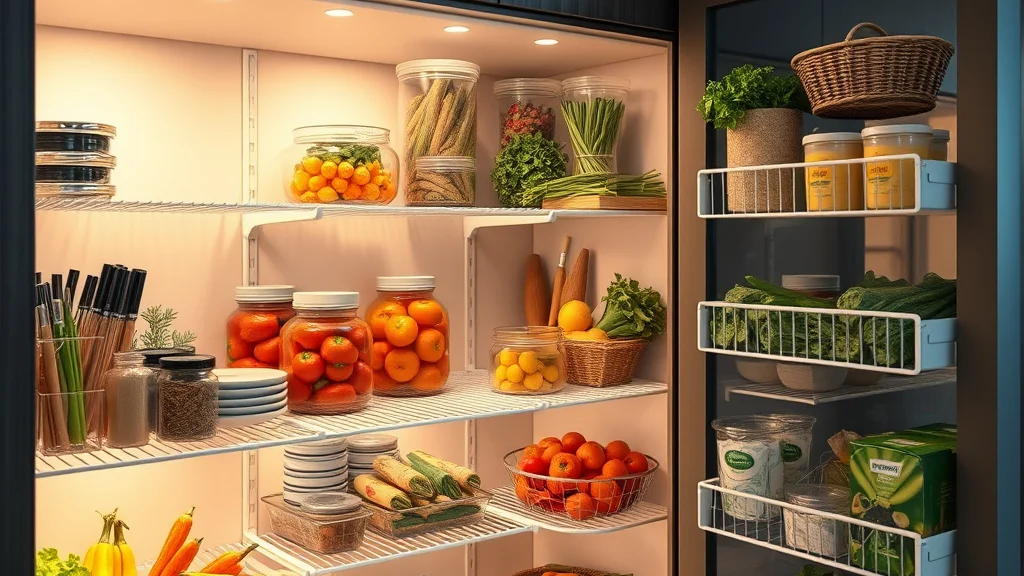
With the rise of farm-to-table movements and sustainable living, consumers are purchasing more fresh produce than ever before. As a result, proper storage is critical to reduce waste and extend the life of vegetables. The pantry, often reserved for dry goods, can be optimized for vegetable storage when done correctly. In this guide, we’ll explore techniques, storage solutions, and best practices for keeping your produce fresh and organized. Whether you’re a seasoned chef or new to the world of home organization, understanding the nuances of pantry vegetable storage can transform your culinary experience and help maintain the integrity of your produce.
Selecting the Right Storage Spot
The key to effective vegetable storage lies in selecting the right spot in your pantry. The environment plays a crucial role in preserving the freshness of your produce. Cooler areas are generally preferable for most vegetables. Ensure that your pantry corner or shelf for vegetables is away from direct sunlight and is ventilated to prevent moisture build-up. Furthermore, keep them elevated or off the floor to avoid exposure to pests.
Temperature and Humidity Control
Vegetables thrive in environments with specific temperature and humidity levels. For instance, root vegetables do well in a slightly cooler and more humid setup. Consider using hygrometers to monitor humidity levels and keep your pantry within the ideal range. You may also consider installing a small fan to maintain air circulation, which can be beneficial in keeping mold at bay. Adjusting the pantry conditions according to the season’s variation is also important to maintain an optimal storage environment year-round.
The Role of Storage Containers
Storage containers are essential for maintaining the freshness of vegetables in your pantry. They offer protection and can increase the shelf life of perishable items. There are various options to consider:
- Breathable baskets for items like onions and garlic, which require airflow.
- Airtight containers for leafy greens to retain moisture and prevent wilting.
- Crates and boxes lined with newspaper for root vegetables, offering both breathability and slight insulation.
| Feature | Traditional Storage | Modern Storage Solutions |
|---|---|---|
| Material | Wood, wicker | Plastic, metal, fabric |
| Breathability | High | Varies (depends on design) |
| Cost | Moderate | Varies (can be higher due to features) |
| Maintenance | Requires regular cleaning to prevent residue | Often easy to clean and durable |
Organizing Your Pantry
An organized pantry is a functional one. Group vegetables by type or cooking frequency to streamline meal preparation. Implement a first-in, first-out system to ensure older items are used before they spoil. Label shelves and containers with the names and purchase dates of your items to keep inventory. Use shelf risers or tiered arrangements to make better use of vertical space, allowing easy visibility and access to all items, especially in deep pantries.
Identifying Ethylene-Producing and Sensitive Vegetables
Some vegetables produce ethylene gas, which can accelerate the ripening of ethylene-sensitive produce. Common ethylene producers include apples and tomatoes, while sensitive items include leafy greens and carrots. Store these groups separately to prevent premature spoilage. Keeping them in different areas or using barriers within the pantry can make a significant difference in preserving your vegetables’ freshness and longevity.
Rotating and Cleaning
Regular maintenance of your pantry is essential. Periodically check your vegetables for signs of spoilage. Implement a weekly schedule to sort through your produce and remove any deteriorated items. Wipe down shelves and containers to prevent mold and odors. Maintaining cleanliness also reduces the risk of attracting pests. Rotation and regular cleaning will ensure an efficient and hygienic storage area.
Use of Technology in Modern Pantry Storage
Technology can enhance pantry vegetable storage with smart solutions like humidity-controlled drawers and temperature sensors. Utilizing smart devices can give real-time feedback on the pantry environment and alerts for when conditions aren’t optimal. Additionally, apps for inventory management can help track grocery items, notifying you when it’s time to use specific vegetables, thus reducing waste.
Improvising with Limited Space
For those with limited space, creative solutions can maximize your storage potential. Vertical stacking, wall-mounted shelves, and over-the-door racks can create additional space. Consider using transparent containers for quicker visually assessed inventory. Multi-purpose furniture or storage units can double as vegetable holders, optimizing both functionality and space in compact kitchens.
DIY Pantry Storage Solutions
DIY projects for vegetable storage can be both practical and cost-effective. Repurpose wooden crates, build adjustable shelving, or customize old furniture into unique storage units. The flexibility of DIY allows you to tailor storage to your specific needs and aesthetics, granting a personalized touch to your pantry while being environmentally conscious through reusing resources. Check prices on Amazon
Understanding the Limitations of Pantry Storage
Not all vegetables are suited for pantry storage. Some, like cucumbers and zucchini, have higher water content and may spoil quickly without refrigeration. Understanding these limitations and adjusting your shopping habits accordingly can prevent errors and ensure that your storage remains effective. Education about storage needs and periodic reassessment of your pantry setup can help refine your approach over time.
Frequently Asked Questions
Can all vegetables be stored in the pantry?
No, not all vegetables are suited for pantry storage. Some, like leafy greens and cucumbers, require refrigeration to maintain freshness and should be kept in cooler environments.
How can I tell if a vegetable is spoiling?
Signs of spoilage include discoloration, mushy texture, and an off odor. Regular checks and proper rotation can help you identify and remove spoiling produce promptly.
What should I do to reduce moisture in my pantry?
Ensure proper ventilation and consider using a dehumidifier or silica packets to absorb excess moisture. Store vegetables in breathable containers to prevent moisture build-up.
How often should I clean my pantry?
It’s advisable to clean your pantry monthly to prevent the buildup of dirt and mold. Regular maintenance checks should be done weekly.
What is the best way to store onions and potatoes?
Store onions and potatoes in a cool, dark, and ventilated area, but keep them separate since onions emit gases that can spoil potatoes faster.
Can technology really improve vegetable storage?
Yes, technology such as humidity sensors and temperature monitors can greatly enhance storage conditions, ensuring optimal freshness and longevity of stored produce.
Are there any vegetables that emit ethylene gas?
Yes, vegetables like tomatoes and apples emit ethylene gas and can cause ethylene-sensitive produce to ripen and spoil faster. Store them separately in your pantry.
How can I create more storage space for vegetables in a small pantry?
Maximize vertical space with tiered shelving, use stackable containers, and consider door-mounted racks. These solutions can expand storage capacity without the need for extra square footage.
Final Thoughts
The integration of efficient pantry vegetable storage strategies not only enhances the longevity and freshness of your produce but also contributes to waste reduction and a more organized kitchen environment. By understanding the unique needs of different vegetables, leveraging technology, and employing creative storage solutions, you can optimize your pantry storage effectively. Regularly revisiting your pantry organization can lead to improvements in your daily cooking routine, ensuring that every ingredient stays fresh and accessible. In adopting these practices, you’re not just storing vegetables; you’re creating a more sustainable and efficient household.
