

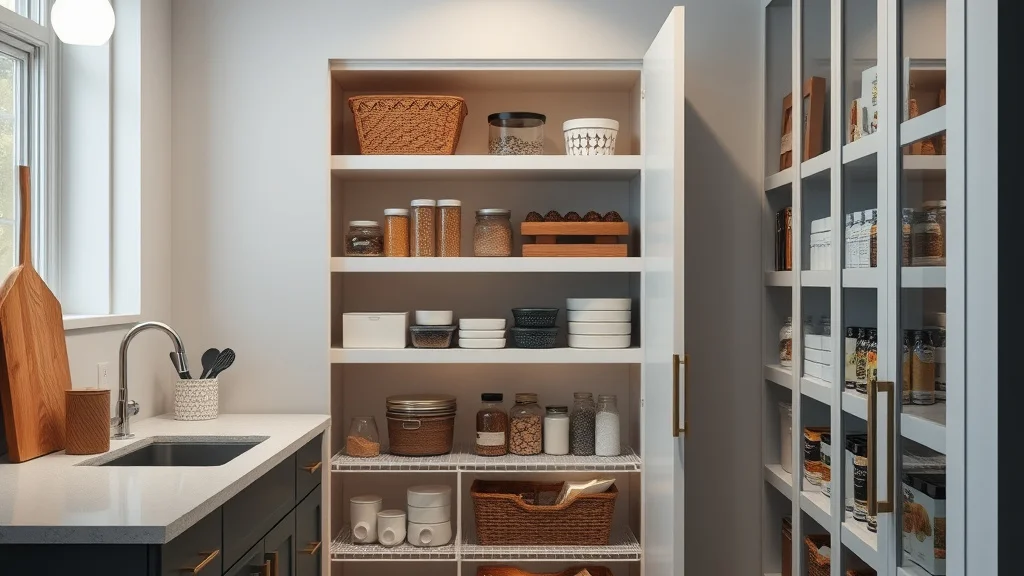
In a world where convenience often takes precedence, the pantry is an essential component of a well-organized kitchen. Pantry organization transforms a chaotic storage area into a functional and serene space, streamlining your cooking process and nurturing a healthier lifestyle. Having an organized pantry doesn’t just help you find your ingredients quicker; it prevents food waste and saves money by reducing duplicates. Dive into the transformative power of optimizing your pantry space, and discover the tricks that can elevate your kitchen routine.
Understanding the Importance of Pantry Organization
Organizing your pantry is more than just achieving aesthetic satisfaction. It is a practical approach that enhances every cooking experience. From making meal prep seamless to controlling your grocery budget, an orderly pantry offers numerous benefits. The clarity gained from a tidy corner of your kitchen makes meal selection less daunting, ensuring that essentials are always within reach.
Assessing Space Needs and Inventory
The first step in pantry organization is to thoroughly assess the available space and inventory. Understanding what you have and what your needs are can help in structuring the storage effectively. Start by removing all items, checking expiration dates, and categorizing them. This process helps in identifying the overall layout needed, ensuring every item has its designated place, reducing clutter, and maximizing accessibility.
| Option | Benefits | Drawbacks |
|---|---|---|
| Open Shelving |
|
|
| Closed Cabinets |
|
|
Choosing the Right Storage Solutions
Effective storage solutions are integral to pantry organization. Containers and jars are pivotal for maintaining freshness and clarity. Glass jars are optimal for dry goods like grains and cereals, offering visibility and sealing in freshness. Consider investing in uniform containers that stack efficiently. For those with a penchant for baking, larger bins or slide-out drawers can house flour, sugar, and other essentials, making baking projects manageable.
Maximizing Vertical Storage
Maximizing vertical space in your pantry allows you to store more in less space and keeps items accessible. Adjustable shelves offer flexibility, while hooks can be used to hang lightweight items like bags of chips. Adding a tiered shelf organizer to your pantry can transform it, ensuring every inch is utilized efficiently. This enhances storage capacity without cramping the existing space.
Labeling for Efficiency
Labels are a game-changer in maintaining an organized pantry. Beyond aesthetic appeal, they provide actionable clarity, especially in households with multiple users. Labels eliminate confusion, ensuring everyone knows where items belong, which in turn encourages consistent organization. Invest in a label maker for a durable finish, and consider color coding based on categories for added efficiency.
Maintaining Freshness and Safety
Maintaining the freshness of pantry items is key to minimizing waste and ensuring food safety. Always store products with the shortest expiration date at the front of the shelf to use them first. Airtight containers are essential for keeping bugs at bay and preserving the integrity of dry goods. Grouping items by their storage conditions can also prevent cross-contaminating ingredients.
Pantry Layout Optimization
Organize your pantry by zones for increased efficiency. Design your layout based on usage frequency; keep frequently used items like snacks and breakfast cereals within easy reach. Bulk goods should be stored in deeper sections. Create a kid-friendly area with healthy snacks, fostering independence among the younger members of the household. A well-structured layout simplifies the cooking process significantly.
Seasonal Rotation and Inventory Control
Regular rotation of food items is crucial to pantry hygiene and efficiency. Conduct seasonal cleanings to discard expired items and refresh supplies based on seasonal cooking habits. Implement a simple inventory system to monitor low-stock items, encouraging timely replenishment and curbing unnecessary purchases. This control sustains balance within the pantry while minimizing waste.
Creating a Sustainable Pantry Environment
An eco-friendly pantry is not only beneficial for the environment but also for personal health. Adopt reusable containers and jars, and avoid single-use plastics. Compost organic waste and seek out bulk purchasing options to minimize packaging waste. This promotes a healthier lifestyle by focusing on whole foods and lessening environmental impact, supporting sustainability. Check prices on Amazon
Frequently Asked Questions
Why is pantry organization important?
Pantry organization streamlines cooking and meal prep processes, reduces food waste, provides clarity on kitchen supplies, and saves money by preventing duplicate purchases.
What storage solutions are best for a small pantry?
In a small pantry, vertical storage solutions such as stackable shelves, over-the-door racks, and pull-out drawers maximize space without compromising accessibility.
How often should I reorganize my pantry?
Reassessing pantry organization every 3-6 months helps maintain order. Seasonal changes are an ideal time to evaluate inventory, clean, and reorganize items.
What are the best materials for pantry containers?
Glass and BPA-free plastic containers are optimal for storing dry goods. Glass is excellent for visibility and freshness, while plastic offers durability and lightweight handling.
How can I keep my pantry pest-free?
Maintain a pest-free environment by using airtight containers, conducting regular cleanings, and ensuring that all opened packaged goods are appropriately sealed.
Is it essential to label everything in the pantry?
While not mandatory, labeling promotes consistency in organization, eases the identification of items, and ensures that each household member can find and return items effortlessly.
How can I make my pantry more eco-friendly?
Adopt sustainable practices by using reusable containers, reducing single-use packaging, and prioritizing fresh, whole foods, which minimizes waste and overall carbon footprint.
Can open shelving work in a small pantry?
Absolutely. Open shelving can work in a small pantry by using wall-mounted racks or baskets, which add storage space while keeping frequently used items easily accessible and organized.
Final Thoughts
The journey to an organized pantry is a blend of strategic planning and consistent maintenance. It’s about transforming a functional space into an efficient component of your kitchen that reflects your culinary style. An organized pantry is not just a joy for the visually inclined but a necessity for anyone who wants to cook smarter, eat healthier, and live more efficiently. Invite this blend of efficiency and sustainability into your life and experience the profound impact of a thoughtfully organized pantry.
