

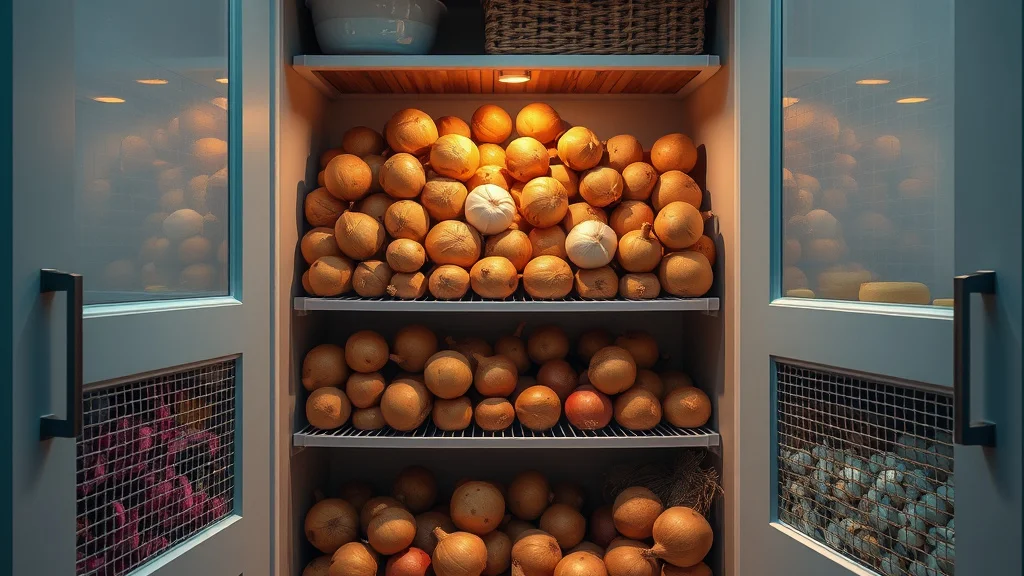
When it comes to keeping our kitchens well-stocked with essentials, potatoes and onions often find their place as kitchen staples. These versatile ingredients are a part of so many recipes, bringing flavor and texture to countless dishes. However, proper storage is key to maintaining their freshness and prolonging their shelf life. Without the right techniques, potatoes and onions can quickly spoil, leading to food waste and extra trips to the grocery store. This comprehensive guide will walk you through the best practices for storing these pantry essentials, ensuring you make the most of your produce while keeping your pantry organized and efficient.
Understanding the Importance of Proper Storage
Potatoes and onions are both root vegetables, but they differ significantly in their storage requirements. Storing them correctly can help maintain their quality and extend their usability. Potatoes need cool, dark, and well-ventilated conditions, while onions require a dry, well-aerated environment. Improper storage can lead to sprouting, decay, and loss of flavor. By understanding the unique needs of each, you can prevent these common issues and ensure optimal freshness.
Potato Storage Basics
Potatoes are best stored in a cool, dark place. The ideal temperature range is between 45°F to 50°F (7°C to 10°C). Temperature extremes can cause the potatoes to spoil or sprout prematurely. Humidity control is also important to prevent dehydration or rotting.
- Avoid storing potatoes in the refrigerator as the cold converts potato starch into sugar, affecting taste and texture.
- Store potatoes in a paper or mesh bag to allow for air circulation.
- Keep them away from direct sunlight to prevent greening, which can produce solanine, a toxic compound.
Onion Storage Basics
Onions thrive in a cool, dry, well-ventilated area. They need air circulation to prevent moisture buildup, which can lead to mold and rot. Proper storage maintains their pungent flavor and firm texture.
- Store onions in a mesh bag or basket to allow air flow.
- Keep them in a dark place to prevent sprouting.
- Separate from potatoes, as onions and potatoes release gases that can accelerate decay.
Comparison Table: Potato vs Onion Storage Requirements
| Storage Factor | Potatoes | Onions |
|---|---|---|
| Optimal Temperature | 45°F to 50°F (7°C to 10°C) | Room Temperature |
| Humidity Needs | Moderate, avoid excess moisture | Low, dry area |
| Air Circulation | Essential | Essential |
| Co-Storage with Other Vegetables | Not with onions | Not with potatoes |
| Ideal Containers | Paper or mesh bags | Mesh bags or open baskets |
| Light Exposure | Avoid light | Avoid light |
Why You Should Separate Potatoes and Onions
Storing potatoes and onions together seems convenient, but it’s optimal to keep them apart. Both release gases that can hasten spoilage in the other. Ethylene emitted by onions can promote sprouting in potatoes, while potatoes can speed up onion decay.
- Keeping them apart aids in a longer shelf life for both.
- Separate storage prevents cross-contamination of flavors.
Choosing the Right Storage Containers
The correct storage solutions are key to maintaining potato and onion integrity. Containers must allow adequate air flow while protecting from light.
- For potatoes, choose breathable materials like burlap or mesh bags.
- Onions can also be stored in mesh bags or perforated plastic baskets.
- Avoid sealed plastic bags or containers that trap moisture.
Shelf Life Management
Understanding shelf life helps you use your produce effectively before it spoils. Potatoes can last several weeks if stored properly, whereas onions can last for months.
- Check potatoes frequently for sprouting or soft spots.
- Inspect onions for signs of molding or squishing.
- Rotate stocks so you always use the oldest stock first.
Signs of Spoilage and How to Prevent It
Recognizing early signs of spoilage can prevent food waste. Potatoes and onions exhibit clear signs when they’re past their prime.
- Potatoes: Sprouting, greening, or soft spots are spoilage indicators.
- Onions: Softness, mold, or a foul smell indicate spoilage.
- Dispose of any spoiled produce to prevent spreading to others.
Custom Storage Solutions for Small Kitchens
Small kitchens may present unique challenges, but with some creativity, effective storage is possible.
- Consider vertical storage solutions like tiered shelves or wire racks.
- Utilize under-the-counter baskets for added space.
- Drawers can be modified with dividers to store potatoes and onions separately.
Integrating Storage into Kitchen Design
For those designing or redesigning a kitchen, integrating effective storage solutions during planning can significantly enhance functionality.
- Incorporate pull-out baskets for easy access and air flow.
- Plan for designated produce drawers or pantry sections.
- Ensure that your pantry design facilitates proper ventilation.
Long-Term Preservation Techniques
If you find yourself with an abundance of potatoes or onions, alternative preservation methods are worthwhile to explore.
- Freezing onions is a viable option for long-term storage.
- Potatoes can be pre-cooked and frozen for convenient use in meals.
- Consider dehydration methods for both to keep in stock for extended periods.
Frequently Asked Questions
Can potatoes and onions be stored in the fridge?
No, both should be stored in cool, dry spaces with adequate air flow. Refrigeration can alter taste and texture.
Why do my potatoes and onions go bad so quickly?
Poor air circulation, high humidity, and co-storage with each other often accelerate spoilage. Ensure adequate separation and ventilation.
How can I prevent my potatoes from turning green?
Store them in a dark place, away from light exposure which causes greening and potential toxicity.
Is it okay to eat sprouted potatoes or onions?
It’s best to discard sprouted potatoes and onions as they can be harmful and have a bitter taste.
How do I handle moldy onions?
Avoid consuming moldy onions. It’s safer to completely discard them as mold can penetrate deeper layers.
Are mesh bags the best option for storing onions?
Yes, mesh bags offer excellent air circulation which is crucial for maintaining dry conditions and preventing spoilage in onions.
How often should I check stored potatoes and onions?
Regularly check every week to catch early signs of spoilage and use older stocks before new ones.
Can I store cooked potatoes or onions in the pantry?
No, cooked potatoes and onions should always be refrigerated to avoid bacterial growth.
Final Thoughts
Storing potatoes and onions properly is both an art and a science that can significantly affect their longevity and your culinary outcomes. By understanding the distinct requirements of these pantry staples and implementing the appropriate storage methods, you can minimize waste, save money, and enjoy the freshest ingredients for your meals. Whether you’re refreshing your kitchen space or simply aiming for better food storage practices, the techniques outlined in this guide will help you achieve a well-organized and efficient pantry that supports your cooking endeavors for weeks and months to come.
