

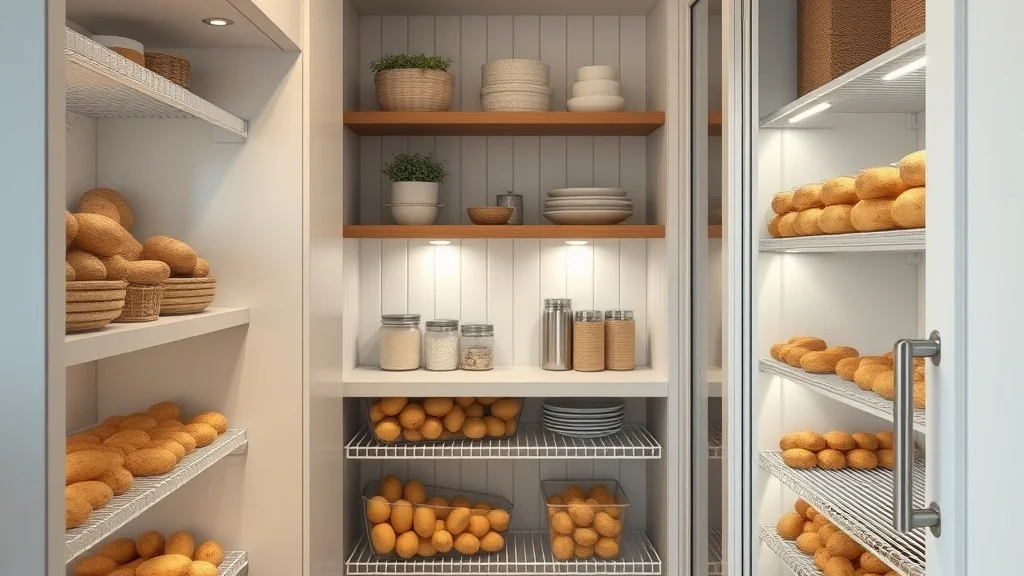
Within the universe of kitchen staples, potatoes stand out as a humble yet indispensable component of countless meals around the world. Whether you’re a culinary connoisseur or a cooking novice, understanding how to properly store potatoes is essential to preserving their freshness and flavor, while also minimizing wastage. Poor storage choices can lead to sprouting, greening, and even spoilage. This comprehensive guide will walk you through the essentials of pantry potato storage, providing you with a deep dive into the best practices and solutions tailored to your everyday needs. From determining the perfect storage conditions to implementing effective storage solutions, we aim to empower you with the knowledge necessary to store your potatoes like a pro.
The Importance of Proper Potato Storage
Storing potatoes appropriately is not just a matter of maintaining their quality; it can have a significant impact on your food budget and environmental waste. Potatoes are best stored in a dark, cool, and well-ventilated area, which slows down the process of sprouting and prevents spoilage. When improperly stored, potatoes may become green due to chlorophyll production, which can lead to the formation of solanine, a toxic compound in large doses. By storing them correctly, you ensure the maximum shelf life, preserving both taste and nutritional value.
Understanding Potato Varieties and Their Storage Needs
Not all potatoes are created equal. There are many different varieties, each with unique characteristics and storage requirements. Some common types include russet, red, fingerling, and Yukon gold potatoes. Starchy varieties such as russets are excellent for baking and frying but require specific care to maintain their texture. Waxy potatoes, like red or fingerlings, are better suited for boiling and salads due to their ability to hold shape. Understanding these subtle differences allows you to select the proper storage method for each type.
Optimal Storage Conditions for Potatoes
When it comes to storing potatoes, the key lies in the environment. The ideal conditions for potato storage include:
- Temperature: Between 45°F and 55°F. Temperatures lower than this can cause starches to turn into sugars, leading to a sweet taste and discoloration.
- Humidity: Around 85% to 90% humidity to prevent dehydration without promoting rot.
- Light Exposure: Keep potatoes in the dark as exposure to light can cause them to turn green.
- Air Circulation: Ensure adequate ventilation as stagnant air can lead to spoilage.
Comparing Potato Storage Options
Below is a table comparing two main storage options: using a pantry and a root cellar.
| Aspect | Pantry | Root Cellar |
|---|---|---|
| Temperature Control | Limited | Excellent |
| Humidity Level | Varies | Consistent |
| Light Exposure | Possible | Minimal |
| Ventilation | Depends on setup | Usually good |
| Cost | Low | Higher |
Using a Pantry for Potato Storage
Most homes have a pantry, making it the most accessible storage solution for potatoes. To use your pantry effectively:
- Control Light: Use opaque bins or bags to block out light.
- Temperature Regulation: Keep away from kitchen appliances that generate heat.
- Ventilation: Choose storage containers with holes or a mesh construction to allow airflow.
Benefits of Using a Root Cellar
For those with a root cellar, you’re dealing with a naturally optimal environment for potato storage. Benefits include:
- Consistent Cool Temps: Naturally maintained low temperatures perfect for long-term storage.
- Stable Humidity: Protection against drying out, which preserves texture and flavor.
- Minimal Light Penetration: Natural darkness prevents greening and sprouting.
Recognizing the Signs of Spoilage in Potatoes
It’s essential to regularly check your stored potatoes for signs of spoilage to prevent a single bad potato from affecting all others:
- Green Spots: Indicate exposure to light and potential solanine presence.
- Soft or Mushy Texture: A sign of rot; such potatoes should be discarded immediately.
- Sprouting: While not dangerous, sprouted potatoes lose nutrition and flavor.
Preventative Measures Against Sprouting and Greening
Sprouting and greening are common issues in potato storage but can be prevented with careful methods:
- Keep Away from Onions: Avoid storing potatoes and onions together as they accelerate each other’s spoilage.
- Regular Monitoring: Check regularly to remove any root sprouts and to spot green areas.
- Optimal Storage Conditions: Maintaining proper temperature and light exposure is vital.
Effective Use of Storage Bags and Containers
An essential aspect of pantry potato storage is selecting the right storage bags or containers:
- Breathable Materials: Use burlap sacks or mesh bags that allow airflow.
- Size Considerations: Avoid overcrowding which can create hotspots leading to spoilage.
- Insulation: Paper bags can offer additional insulation by blocking out light while allowing breathability.
Food Safety Considerations
Storing potatoes safely is just as important as knowing when they’re no longer suitable for consumption. Keep these tips in mind: Check prices on Amazon
- Avoid Eating Green Potatoes: They contain solanine, which is toxic in large amounts.
- Trim Sprouts: If small sprouts appear, simply trim them off before cooking.
- Discard Rotten Potatoes: Even a small spoiled area can compromise the safety of consumption.
Repurposing Older Potatoes
Prevent potato waste by discovering creative ways to use older potatoes:
- Mashed Potatoes: Aging potatoes still make excellent candidates for mashing once trimmed.
- Soups and Stews: Softening older potatoes in liquid-rich recipes is a great way to use them up.
- Potato Salads: Even if not visually perfect, older potatoes can still shine in salads.
Frequently Asked Questions
1. Can I store potatoes in the fridge?
Storing potatoes in the fridge is not recommended since cold temperatures can convert its starch to sugar, leading to a sweet taste and discoloration when cooked.
2. Why do my potatoes sprout quickly?
Potatoes sprout when stored in warm temperatures or exposed to light. Always store them in a cool, dark place to prevent sprouting.
3. How can I prevent my potatoes from greening?
Prevent greening by storing potatoes away from light in a dark, ventilated container like a burlap sack or a pantry.
4. Should I wash potatoes before storing them?
No, it’s best not to wash them before storage. The moisture can promote mold and decay. Instead, clean them just before use.
5. Can I freeze potatoes to preserve them?
Freezing raw potatoes isn’t ideal, but boiled or mashed potatoes can be frozen for later use.
6. Is it safe to eat sprouted potatoes?
While small sprouts can be trimmed away without issue, heavily sprouted potatoes may have diminished quality and safety.
7. Do onions and potatoes interact negatively when stored together?
Yes, onions and potatoes produce gases that can cause the other to spoil faster when stored together.
8. How long do potatoes last when stored properly?
Properly stored, potatoes can last several weeks, with some varieties lasting up to a few months under optimal conditions.
Final Thoughts
Storing potatoes correctly is an art form as much as it is a science. By understanding the unique needs of different potato varieties and applying best practices for storage, you can extend their shelf life significantly. Whether utilizing a pantry or the naturally accommodating environment of a root cellar, it is possible to optimize storage conditions thus preserving this versatile vegetable’s flavor and nutritional value. Investing a little time and effort into understanding and implementing proper storage techniques ensures your potatoes remain a reliable kitchen staple for all your culinary endeavors.
