

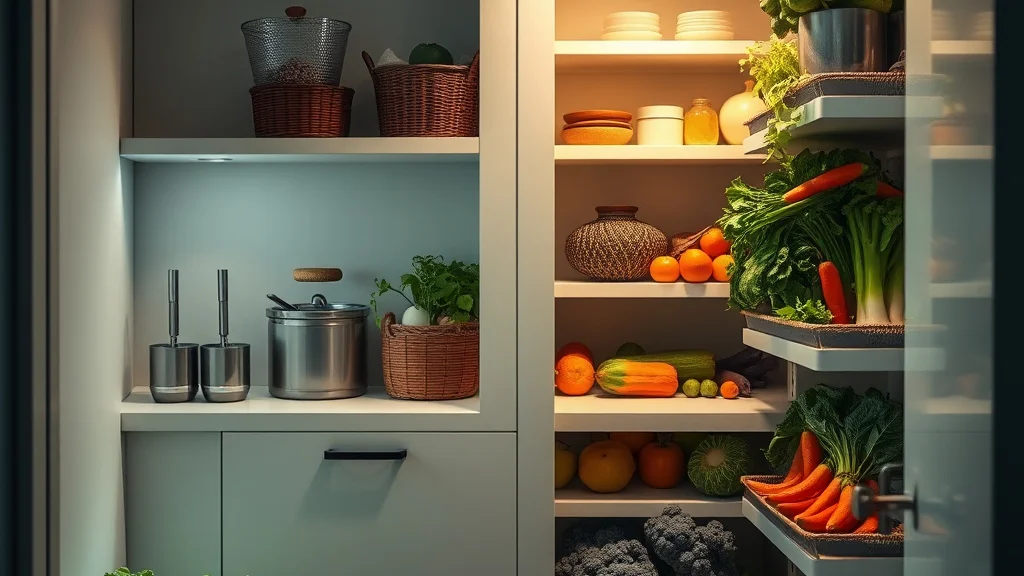
In the quest for a tidy and organized home, the humble pantry often becomes a focal point that demands attention. More than just a storage space, the pantry serves as a vital component of a well-running household, ensuring that meals can be prepared efficiently and that food remains fresh. Among the essentials, vegetables hold a special place due to their versatility and importance in our diets. However, without proper storage methods, they can quickly become a source of clutter, waste, and frustration. In this article, we will explore various strategies and solutions for vegetable storage within your pantry, ensuring your produce stays fresh and your kitchen remains organized. Whether you have a compact space or a larger pantry, these tips will offer valuable insights tailored to your needs.
1. Understanding Pantry Needs
Before diving into specific storage solutions, it’s crucial to assess your pantry needs. Consider the size of your pantry, the types of vegetables you frequently stock, and how often you restock. Understanding these elements will guide you in choosing the right storage methods and products. A well-organized pantry begins with a clear understanding of your storage requirements and the primary goals you wish to achieve, such as accessibility, maximum freshness, and efficient use of space.
2. Importance of Proper Vegetable Storage
Proper storage extends beyond simply keeping your pantry neat; it’s essential for maintaining the nutritional value of vegetables and prolonging their shelf life. Poor storage can lead to wastage, as vegetables quickly wilt, rot, or lose their flavor. By implementing appropriate storage techniques, you can reduce waste and ensure your vegetables remain a healthy part of your diet for as long as possible.
3. Storage Options: Open Bins vs. Closed Containers
When considering how to store vegetables in your pantry, you’ll generally encounter two main options: open bins and closed containers. Each has its advantages and potential drawbacks depending on your needs.
| Feature | Open Bins | Closed Containers |
|---|---|---|
| Advantages |
|
|
| Disadvantages |
|
|
4. Utilizing Gravity Bins
Gravity bins are a smart way to store small, loose vegetables like onions and shallots. These bins dispense items from the bottom, ensuring the oldest stock is used first, which reduces spoilage and maintains a natural rotation of stock. They also make it easy to see when it’s time to replenish your supply, adding convenience to your cooking routine.
5. Stackable Crates for Root Vegetables
Root vegetables such as potatoes and carrots benefit from being stored in stackable crates. These crates offer excellent ventilation, preventing moisture build-up and helping to prolong the shelf life of your produce. Positioning these crates in a cool, dark area within your pantry will ensure your root vegetables stay fresh for weeks or even months.
6. Breathable Mesh Bags
For produce like garlic and onions, breathable mesh bags are an excellent option. They allow air to circulate freely, which is essential for these vegetables to stay dry and firm. These bags can be hung or placed in baskets, freeing up shelf space and enhancing pantry organization. Look for high-quality mesh bags that are reusable for an eco-friendly approach.
7. Avoiding Refrigeration for Certain Vegetables
While refrigeration is suitable for many vegetables, there are certain types that should be kept out of the refrigerator to maintain their flavor and texture. Tomatoes, potatoes, and onions are prime examples. Instead, find a cool, dark area within your pantry to store these vegetables, away from heat and light, to preserve their quality.
8. Expanding Space with Door Racks
A pantry door can become a storage asset with the addition of racks or hooks. Door racks are excellent for holding smaller produce or frequently used items, making them easily accessible. Choose adjustable racks to customize the configuration based on your storage needs. This increases storage capacity without cluttering shelves.
9. Labeling for Easy Access
A labeling system within your pantry can transform your vegetable storage approach, particularly when dealing with a variety of containers and bags. Clearly labeled bins or drawers allow for swift identification of vegetables, reducing the time spent searching for ingredients and enhancing overall efficiency in meal preparation.
10. Implementing a FIFO System
Incorporating a First-In, First-Out (FIFO) system is a strategic way to manage vegetable perishability. By placing newer stock behind older stock, you can ensure that all vegetables are used within their optimal freshness window, significantly reducing waste. This method is particularly effective when combined with clear labeling and categorized placements. Check prices on Amazon
11. Assessing and Adjusting Storage Regularly
Regular assessment of your pantry’s organization allows for quick identification of any waste-encouraging habits or space inefficiencies. Adjusting your storage system in response to observed patterns and lifestyle changes ensures your pantry remains an organized, functional space aligned with your household’s dynamic needs.
12. Investing in Quality Storage Products
Choosing quality storage products is an investment that pays dividends in time, efficiency, and reduced food waste. Prioritize durability, design, and functionality when selecting storage solutions. This not only helps maintain the integrity of your stored vegetables but also contributes to the overall aesthetic of your pantry.
Frequently Asked Questions
How should I store leafy greens in my pantry?
Leafy greens are best kept in a refrigerator, but if pantry storage is necessary, you can use airtight containers with a slight bit of moisture added to help keep them fresh for a short period.
Can potatoes and onions be stored together?
It’s recommended to store potatoes and onions separately, as onions release gases that can cause potatoes to sprout more quickly.
What is the ideal temperature for a pantry?
Between 50°F and 70°F is generally considered ideal for a pantry, ensuring that vegetables stored there remain in good condition without unnecessary heat.
Are there any vegetables that should be stored away from others?
Yes, for example, ethylene-sensitive vegetables like leafy greens and cucumbers should be stored away from ethylene-producing produce such as tomatoes and avocados.
How do I prevent mold in vegetable storage?
Ensure proper ventilation and refrain from washing vegetables before storage to prevent excess moisture, which can promote mold growth.
What types of containers are best for vegetable storage?
Breathable containers with good airflow like slotted plastic bins or crates are effective for many types of vegetables, while airtight containers can be used for leafy greens and herbs when refrigeration is used.
Is it necessary to organize vegetable storage by type?
Yes, organizing by type ensures that conditions are optimized for each different kind of vegetable and can also help with meal planning and reducing waste.
How often should I rotate my vegetable stock?
Ideally, check and rotate your vegetable stock every time you go grocery shopping to ensure you’re using the older items first and avoiding unnecessary waste.
Final Thoughts
Maintaining an organized pantry with optimized vegetable storage is more than a mere aesthetic concern; it’s a practical solution that promotes sustainability, reduces waste, and enhances the quality of meals. By carefully assessing your space and needs, utilizing efficient storage solutions, and maintaining regular oversight, you can transform your pantry into a well-functioning hub of your home. Implement these strategies to enjoy fresher produce and a more harmonious kitchen environment.
