

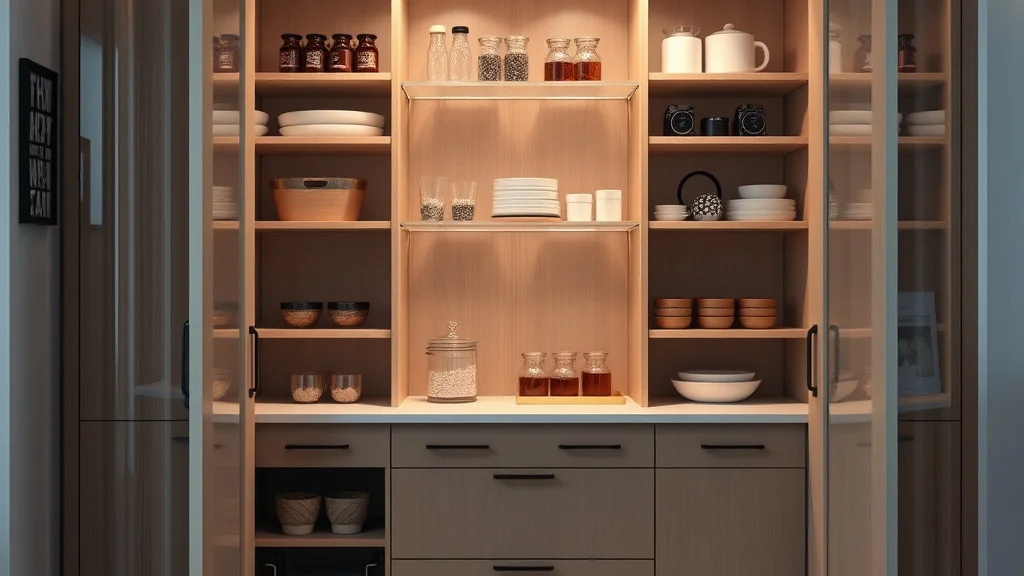
In today’s fast-paced world, maintaining an organized home is more than just an aesthetic choice. It’s a necessity for efficient living and a clear mind. Among the many storage spaces in a house, the pantry cabinet is often one of the most challenging to organize. Its importance cannot be overstated, as a well-organized pantry can save time and reduce stress in daily meal preparation. With the right setup, pantry cabinet storage can transform a cluttered kitchen into a paragon of organization and efficiency. This guide offers critical insights and practical strategies to optimize your pantry storage.
Understanding Pantry Types
When discussing pantry storage, it’s essential to understand the two primary types of pantries: walk-in pantries and cabinet pantries. Each has unique features and storage potential, and choosing the right type depends largely on your kitchen’s space and your specific needs.
Walk-In Pantries
Walk-in pantries are often considered the gold standard in pantry storage. These spaces act as mini-rooms off the kitchen where you can store food, small appliances, and even cleaning supplies.
- Offer a considerable amount of space, making them ideal for larger families or cooking enthusiasts.
- Can be customized with shelving, cabinets, and even a small countertop, allowing for versatile organization options.
- Provide the luxury of easy access and ample visibility for all stored items, minimizing the chances of food wastage.
Cabinet Pantries
Cabinet pantries, while smaller, are excellent for homes where space is at a premium. They require a more strategic approach to organization but can still be incredibly effective.
- Takes up less space, which is perfect for apartment living or smaller homes.
- Can be integrated into existing kitchen cabinetry, making them unobtrusive yet functional.
- Encourages efficient use of space with pull-out shelves, baskets, and other organizational tools.
| Feature | Walk-In Pantries | Cabinet Pantries |
|---|---|---|
| Space Requirement | High | Low |
| Customization Options | Extensive | Moderate |
| Accessibility | Excellent | Good |
| Storage Capacity | Large | Medium |
| Implementation Cost | High | Medium |
The Role of Shelving
Effective use of shelving is crucial in maximizing pantry storage. Both walk-in and cabinet pantries benefit from strategically placed shelves. Adjustable shelves, in particular, offer flexibility in storing items of varying sizes. Optimizing shelf height and depth ensures that you’re making the best use of the available space.
Incorporating Storage Bins
Bins and baskets play a pivotal role in maintaining order within a pantry. They help categorize food items, making it easier to locate what you need quickly. Opt for transparent bins where possible for better visibility. Label each bin to simplify the process of returning items to their proper place.
Utilizing Door Storage
The undersides of pantry doors provide additional storage opportunities that often go unused. Hanging racks or baskets can store smaller items like spices, tea, or baking supplies, freeing up shelf space for bulkier items. It’s a simple yet effective way to enhance your pantry’s functionality without requiring extra room.
Stackable Containers for Bulk Items
For those who buy in bulk, stackable storage containers are a game-changer. They allow for vertical storage, maximizing limited space, and keeping your pantry organized. Ensure the containers are airtight to preserve freshness and prevent pest intrusion.
Labels and Inventory Management
Keeping an inventory of pantry items reduces duplicated purchases and food waste. Labeling each container with the item name and expiration date adds another layer of organization. Regularly update your inventory list, making restocking more efficient and meal planning a breeze.
Importance of Lighting
Proper lighting is often overlooked in pantry design but is essential for a fully functional space. Consider installing LED strip lights or small, motion-activated lights to illuminate shelves. This improvement helps in quickly locating items and maintaining a tidy pantry.
Implementing a Rotation System
Product rotation is key to minimizing food wastage and keeping your pantry’s stock fresh. Place new items at the back and older products at the front. This practice ensures that items are used before expiration and maintains your pantry’s efficient flow. Check prices on Amazon
Vertical Storage Solutions
Vertical storage options, such as stacking shelves or tiered racks, provide additional storage by utilizing the full height of your pantry space. These solutions are ideal for maximizing small pantries without compromising accessibility or organization.
Maintenance and Seasonal Cleaning
Regular maintenance is vital for maintaining an organized pantry. Set a schedule for decluttering and reorganization, ideally with the changing of seasons. This habit ensures expired items are disposed of and makes room for seasonal ingredients, keeping your pantry fresh throughout the year.
Frequently Asked Questions
How do I prevent pests in the pantry?
Keep your pantry clean and organized. Use airtight containers to store food and regularly check for signs of infestations.
What’s the best way to store spices?
Spices should be stored in a cool, dark place, ideally in airtight containers to preserve their flavor and longevity.
How often should I reorganize my pantry?
A full reorganization every few months is generally recommended, but a quick check every couple of weeks helps maintain tidiness.
Can I use a pantry without built-in cabinets?
Yes, using freestanding shelves, racks, and bins can create an efficient pantry system without the need for permanent cabinetry.
How can I improve lighting in a dark pantry?
Install adhesive LED strip lights or battery-operated lamps to enhance visibility without complex electrical work.
What are the benefits of labeling pantry items?
Labeling reduces the time spent searching for items and ensures items are returned to their designated spots, maintaining organization.
Are glass containers better than plastic for pantry storage?
Glass is typically more durable and does not impart any toxins or taste to food but plastic can be lighter and more shatterproof, especially for high-use items.
What’s the best way to store grains and cereals?
Grains and cereals should be kept in airtight containers in a cool, dry place to extend their shelf life and preserve quality.
Final Thoughts
An organized pantry is the cornerstone of an efficient kitchen. Whether you have a spacious walk-in pantry or a compact cabinet pantry, the principles of effective organization remain the same: utilize every inch of space, maintain a clear system for storage, and keep everything accessible. By implementing the strategies discussed, you can transform your pantry into a functional, efficient space that supports a smoother cooking experience and ultimately leads to a more organized home.
