
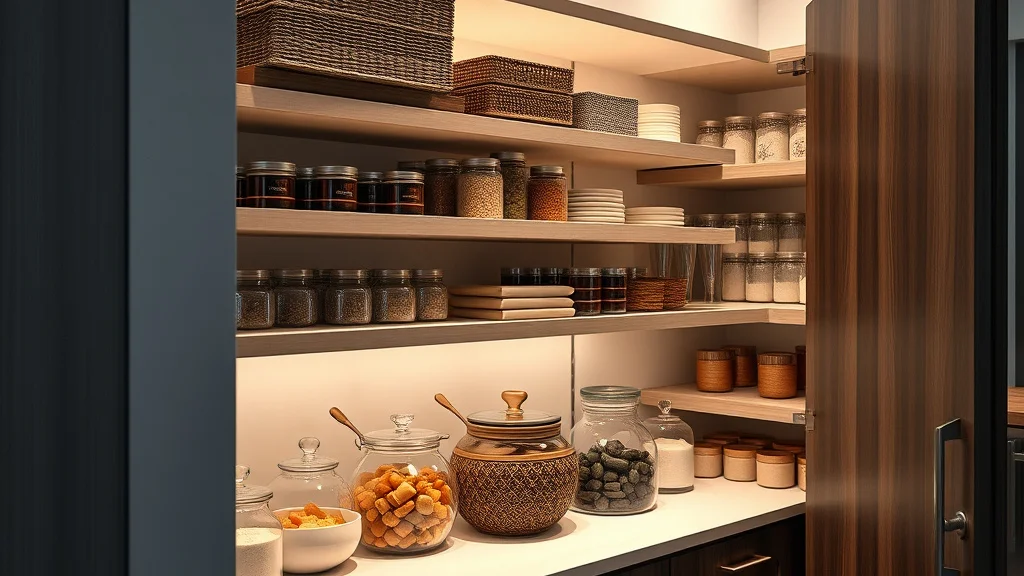
In the quest for an organized kitchen, a well-designed pantry can make all the difference. A chaotic pantry often translates into a chaotic cooking experience. On the other hand, an organized pantry not only enhances the aesthetics of your kitchen space but also improves the functionality. At the heart of any effective pantry organization is the pantry storage shelf—an essential component that can help maximize space, streamline access to ingredients, and maintain order. Whether you’re building a pantry from scratch or looking to revamp an existing one, understanding the options for pantry storage shelves is crucial. From materials and designs to installation, this article aims to provide a thorough exploration of pantry storage shelves, ensuring that your kitchen space is both practical and pleasing.
Types of Pantry Storage Shelves
Pantry storage shelves come in various types, each offering distinct advantages and functionalities. The primary types include fixed shelves and adjustable shelves. Understanding the characteristics of each can guide you in making an informed choice based on your specific needs and available space.
- Fixed Shelves: These are permanent fixtures that provide stability and are often more affordable. They are ideal for storing heavy items since they can support a substantial weight.
- Adjustable Shelves: Flexible and versatile, these shelves can be modified to accommodate different heights of pantry items. They are perfect for those who frequently change their pantry setup.
Materials for Pantry Storage Shelves
The choice of material is paramount when selecting a pantry storage shelf, as it affects durability, aesthetics, and maintenance. Common materials include wood, wire, and metal.
- Wooden Shelves: Offer a classic and warm look. They are sturdy and durable but may require more maintenance to prevent warping or mold.
- Wire Shelves: Provide better airflow and are typically more affordable. However, they might not be suitable for small items that could slip through the gaps.
- Metal Shelves: Known for their robustness and contemporary appeal. They can handle a substantial load but might be prone to rust if not coated or treated properly.
Space-Saving Designs
For those working with limited space, certain designs can maximize storage capacity without compromising on accessibility. Consider the following space-saving designs:
- Pull-Out Shelves: These are excellent for deep pantry spaces, making it easy to access items at the back.
- Corner Shelves: Utilize every inch of the pantry, especially tricky corners that would otherwise remain underutilized.
- Tiered Shelves: Allow for easy visibility and access to various pantry items, arranged from tallest at the back to shortest at the front.
Installation Tips
Installing pantry storage shelves requires careful planning and execution to ensure they are both functional and secure.
- Measure Twice: Ensure accurate measurements of the available space to select the appropriate shelf size.
- Use Wall Anchors: For secure installation, especially with heavier loads, to prevent shelves from detaching.
- Level Placement: Ensure that all shelves are level to prevent items from sliding or rolling off.
Comparison Table of Fixed vs. Adjustable Shelves
| Feature | Fixed Shelves | Adjustable Shelves |
|---|---|---|
| Flexibility | Minimal | High |
| Stability | High | Moderate |
| Installation Ease | Simple | More complex |
| Cost | Typically lower | Potentially higher |
| Load Capacity | High | Variable |
Organization Tips
A well-organized pantry can transform your cooking process. Here are some tips to keep your pantry neat and easy to navigate:
- Labeling: Use clear labels for all containers to effortlessly find ingredients.
- Group Similar Items: Store similar items together, like spices in one section and baking ingredients in another.
- Utilize Clear Containers: Transparent containers offer quick visual access to contents and stock levels.
Budget Considerations
Your budget will significantly influence the type and quality of pantry storage shelves you choose. Fixed shelves are generally more cost-effective, while adjustable shelves may require a higher investment but offer benefits in flexibility. Affordable options can still be durable and functional when carefully chosen and designed.
- DIY Options: Consider building your shelves if you’re handy with tools for a personalized and budget-friendly solution.
- Second-hand Finds: Check for quality used shelves in thrift stores or online marketplaces to save money.
Safety Considerations
Safety should be paramount when installing and using pantry storage shelves, especially if young children are present.
- Anchor Shelves: Use sturdy anchors to secure shelves to the wall and avoid tipping.
- Proper Weight Distribution: Distribute heavy items evenly and near the bottom to maintain balance.
Eco-Friendly Options
For those who prioritize sustainability, certain materials and practices can reduce your environmental impact.
- Recycled Materials: Opt for shelves made from recycled wood or metal.
- Water-Based Finishes: Choose shelves with non-toxic, water-based finishes to avoid harmful chemicals.
Frequently Asked Questions
What is the best material for pantry shelves?
Wood and metal are popular for their durability and aesthetic appeal, while wire shelving offers affordability and airflow.
How do I maximize small pantry space?
Use pull-out or tiered shelves, and consider vertical space by utilizing stackable containers and bins.
Can I install pantry shelves myself?
Yes, with the right tools and instructions, many people successfully install their own pantry shelves.
How much weight can pantry shelves hold?
This varies by material and design, but typically ranges from 50 to 150 pounds per shelf.
Are adjustable or fixed shelves better?
Adjustable shelves offer flexibility, while fixed shelves provide stability. The choice depends on personal needs and preferences.
What is the cost comparison between different shelving materials?
Wire shelving is usually the most affordable, followed by MDF and wood, with metal or customized options being more expensive.
How do I clean and maintain pantry shelves?
Dust regularly, wipe spills immediately, and use non-toxic cleaners to maintain cleanliness and order.
What features are essential for pantry organization?
Priority should be on accessibility, visibility of items, and maximizing available space with smart storage solutions.
Final Thoughts
Choosing the right pantry storage shelves can transform your kitchen into an efficient, organized space where cooking is a pleasure, not a chore. By understanding your needs, measuring your space accurately, and selecting appropriate materials and designs, you can achieve a pantry setup that meets both functional and aesthetic goals. The key is to remain flexible and open to reconfiguring your setup as your lifestyle or family’s needs change. With thoughtful planning and the right resources, your pantry can become a sterling example of organized domestic bliss.
