
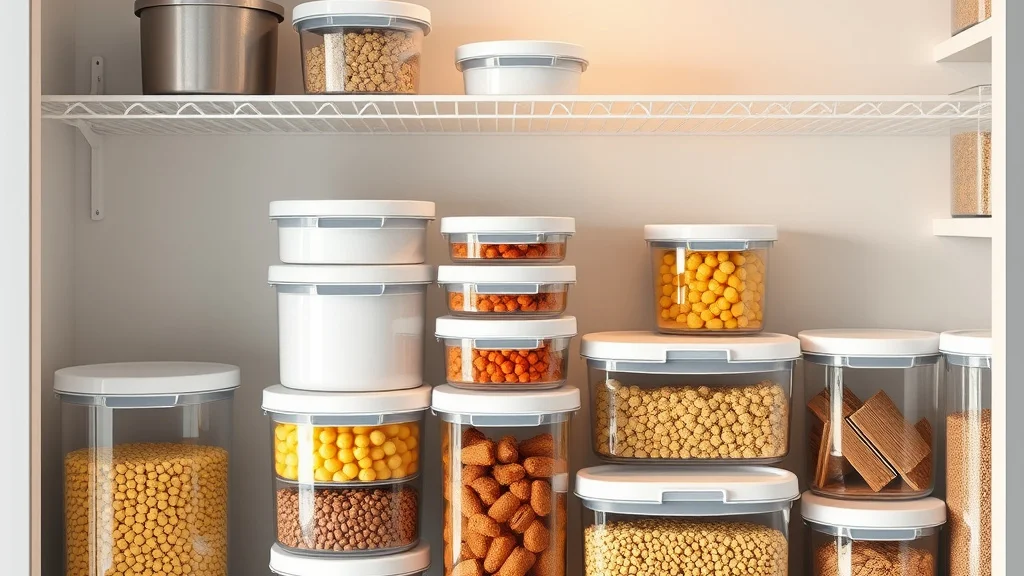
In the realm of home organization, maintaining a well-ordered pantry is a perpetual challenge. Food storage container sets are the unsung heroes of kitchen organization. With their ability to store, stack, and seal, these containers not only preserve the freshness of your ingredients but also bring a sense of order to what can often be a chaotic space. Whether you’re a seasoned chef who demands precision or a busy parent looking to streamline the kitchen routine, the right pantry containers can make a world of difference. This guide delves into everything you need to know about pantry food storage container sets, helping you make informed decisions while prepping you with practical storage strategies.
Understanding Pantry Food Storage Container Materials
Before selecting your pantry storage containers, it’s crucial to understand the different materials available. The most common types are plastic, glass, and metal. Each has its distinct benefits and drawbacks:
- Plastic: Durable, lightweight, and affordable, plastic containers are versatile and come in various shapes and sizes. However, they can stain easily and might not be microwave-safe unless labeled.
- Glass: These containers are the best for visual transparency, often microwave and oven-safe but heavier and more fragile.
- Metal: Typically used for dry storage due to their robust structure but lack transparency, making it hard to view contents without opening.
Key Features to Consider in Pantry Container Sets
When choosing storage containers for your pantry, consider the following features to ensure you’re getting the most value and functionality:
- Airtight Seals: Look for containers with rubber gaskets and airtight lids to keep food fresh and prevent pests.
- Stackability: Choose containers that stack easily to make the most of your vertical space.
- Modularity: Sets that are designed to work together can save you space and provide aesthetics.
- BPA-free: Ensure that plastic containers are free of harmful chemicals.
Choosing Between Plastic and Glass: A Head-to-Head Comparison
Now that we’ve established the key features and materials, let’s compare the two most popular types of pantry storage containers: plastic and glass.
| Criteria | Plastic Containers | Glass Containers |
|---|---|---|
| Durability | Very durable and less likely to break if dropped | Fragile and can break if mishandled |
| Weight | Light and easy to handle | Heavy and cumbersome |
| Transparency | Virtually clear or opaque | Highly transparent |
| Cost | Generally cheaper | More expensive |
| Microwave/Oven Safe | Only microwave-safe if labeled | Safe for both, heat resistant |
Choosing the Right Size for Your Container Sets
Size matters when selecting containers for your pantry. You want containers that fit your storage space and the quantities of food you typically store:
- Small: Ideal for spices, baking soda, or any item used in small quantities.
- Medium: Good for grains, nuts, or sugar storage.
- Large: Suitable for flour, pasta, or cereal.
Best Practices for Storing Dry vs. Wet Food
Understanding the nature of what you’re storing can help you choose the right type of container:
- Dry Food: Use airtight containers to prevent moisture and pests.
- Wet Food: Prioritize leak-proof seals and opt for glass if you plan to heat the food in the container.
Maximizing Pantry Space with Storage Container Sets
To maximize your pantry space, consider implementing strategies that can make organization more efficient:
- Vertical Storage: Make use of your pantry’s height by stacking containers wherever possible.
- Clear Labels: Label your containers for easy identification, especially if the contents are not visible.
- Uniformity: Use containers of similar style and size to allow consistent organization.
Eco-Friendly Storage Solutions You Should Consider
As sustainability becomes more critical, eco-friendly containers provide a viable option for those looking to reduce their carbon footprint:
- Biodegradable Containers: These offer an environmentally friendly alternative to plastic.
- Reusable Glass: Glass containers are sustainable since they are recyclable and durable.
Care and Maintenance of Pantry Containers
Maintaining your storage containers can prolong their life and ensure that they stay hygienic:
- Regular Cleaning: Wash and dry thoroughly to prevent molding and contamination.
- Avoiding Stains: Use non-staining food or ensure thorough washing without delay.
Exploring Specialty Containers for Pantry Organization
Beyond basic sets, specialty containers can cater to unique pantry storage needs:
- Spice Jars: For neatly organizing and accessing your vast array of spices.
- Bulk Food Canisters: Designed to store large quantities of similar foods efficiently.
Frequently Asked Questions
Are plastic storage containers safe for food storage?
Yes, as long as they are BPA-free and food-grade, they are generally safe for storing most types of food.
How can I prevent my glass containers from breaking?
Handle them with care, use soft padding when storing, and avoid drastic temperature changes that could lead to shattering.
Is it better to store spices in glass or plastic containers?
Glass containers are often preferred for spices due to their non-reactive nature and ability to maintain spice freshness.
Do I need to wash containers before the first use?
Yes, washing them with warm, soapy water is recommended to remove any factory dust or residues.
What is the best way to label pantry containers?
Use washable, reusable labels or marker pens specifically designed for kitchen use to create and update labels as needed.
Can pantry containers be used in the freezer?
Some containers are freezer-safe, but you should check the manufacturer’s instructions to ensure compatibility.
Are there any specific containers for liquid storage?
Yes, look for containers with leak-proof lids specifically designed for liquids to prevent spills and leakage.
What should I do if my containers do not stack well?
Consider investing in modular containers that are designed to fit together securely, maximizing your pantry space efficiently.
Final Thoughts
A well-organized pantry can transform how you approach meal preparation and grocery shopping. By understanding the nuances between different types of pantry food storage container sets, you can customize your kitchen organization system to fit your lifestyle. Whether you select robust plastic, transparent glass, or explore sustainable alternatives, the right technology and methodology will ensure longevity and efficiency. Create a pantry space that reflects your culinary needs while keeping organization at the forefront. Make the most of your space, save time, and possibly avoid food wastage by strategically choosing the best pantry food storage solutions for your kitchen.
