

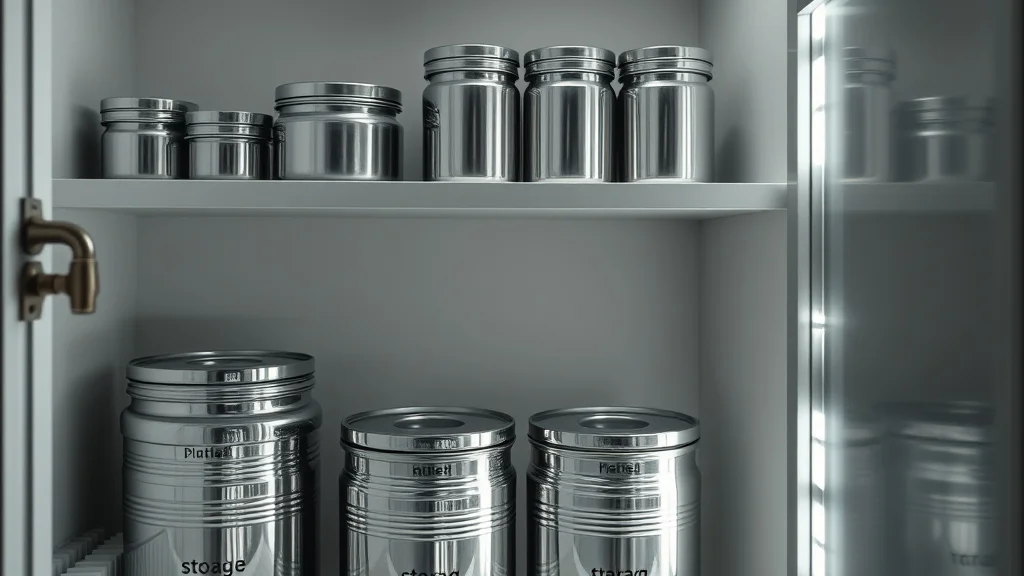
In the pursuit of an organized life, one often overlooks the pantry—a cornerstone of our culinary ventures and a hub of our daily household activities. Overstuffed shelves, mismatched containers, and expired goods are common sights in many homes, which is why effective pantry organization can be transformative. Enter storage cans—a crucial element to the seamless functioning of any pantry. This guide will illuminate their advantages, assist you in choosing the right options, and offer tips for optimizing space without compromising on style. From tackling spillages to preserving food freshness, storage cans are indispensable allies in the pursuit of pantry perfection.
The Importance of Organized Pantry Storage
A well-organized pantry is more than a visual treat; it’s an operational masterpiece that can make meal preparations less stressful and more efficient. When storage cans are properly utilized, they protect dry goods from pests, prevent food waste by keeping items fresh, and optimize space. The peace of mind that comes with knowing where everything is and ensuring it is well-protected is invaluable. Furthermore, it simplifies grocery shopping, as you can quickly scan what items are running low, thus curbing unnecessary purchases.
Types of Storage Cans
Understanding the different types of storage cans is key to organizing your pantry effectively. There are two primary categories: airtight storage cans and stackable storage cans. Both serve unique purposes and can sometimes overlap in their advantages. Airtight cans are ideal for maintaining freshness, reducing the risk of infestation, and prolonging the shelf-life of your pantry staples. On the other hand, stackable cans excel at maximizing vertical space, allowing for easy access and visibility of stored goods. By mastering their individual benefits, you can make more informed choices tailored to your needs.
Materials: Glass, Plastic, and Metal
The material of storage cans impacts durability, aesthetic appeal, and functionality. Glass containers are elegant, non-porous, and resistant to stains and odors, ideal for those who value aesthetics and transparency in tracking food amounts. Plastic cans, often lighter and less breakable, are perfect for a family with children. They are versatile, cost-effective, and available in various styles and colors. Metal containers, known for their durability and timeless charm, typically offer robust protection but might require additional labeling efforts as they are not transparent.
Comparison of Airtight vs. Stackable Storage Cans
| Feature | Airtight Storage Cans | Stackable Storage Cans |
|---|---|---|
| Functionality | Keeps foods fresher for longer; protects from pests | Maximizes space; offers visibility of goods |
| Material Options | Glass, Plastic | Plastic, Metal |
| Ideal For | Perishable and bulk goods | Space optimization and visual inventory |
| Price Range | Moderate to High | Low to Moderate |
Using Labels for Efficiency
Labels are crucial in any pantry organization system and work beautifully with storage cans. They remove the guesswork and help maintain consistent organization. Labeling with expiration dates can streamline meal preparations and reduce waste. Water-resistant labels are recommended for longevity, as they withstand the occasional splatter or spill. Be sure to date the containers, especially when transferring foods from their original packaging.
Tips for Organizing Storage Cans
- Group similar items together to streamline cooking processes.
- Rotate stock so that older items are used first.
- Use baskets or bins to create clusters within shelves.
- Assign a dedicated area for items that belong in the same category.
Adhering to these methods not only makes the pantry visually appealing but also ensures that it is functional and user-friendly.
Choosing the Right Sizes
Storage cans come in various sizes, and choosing the right ones is crucial to maximizing efficiency. Consider the volume of food your household consumes. Bulk staples like flour or rice might require large containers, while items used sparingly can be stored in smaller cans. Contributions such as extras from bulk-buying memberships should fit well within designated spaces to prevent clutter.
Sealing Technology
An essential feature of storage cans is their sealing technology. A high-quality, airtight seal is critical to preserving the freshness of perishable staples. Look for cans with silicone gaskets and easy-to-use locking mechanisms for the best results, as these provide a robust barrier against air and moisture, thus extending the shelf life of your food items significantly.
Integrating Designs with Your Pantry Style
Storage cans should reflect not only functionality but also your personal style. Opt for sleek and uniform styles if minimalism is your preference, or mix and match eclectic designs for a more personalized touch. The versatility in materials and shapes allows for an array of design choices, which can seamlessly incorporate into any pantry aesthetic while maintaining practicality.
Stacking Principles for Space Saving
Understanding the principles of stackability is pivotal when it comes to saving pantry space. Stackable cans help you leverage vertical space effectively. However, ensure that the base is secure to avoid any mishaps. Consider enabling quick access to commonly used items by placing them at the top of the stack for convenience. Check prices on Amazon
Eco-Friendliness and Sustainability
In today’s conscious consumer market, choosing sustainable storage cans can be both a responsible and a stylish choice. Opt for materials that befit your eco-friendly values like glass or metal, and look for brands that prioritize sustainability in production. Reducing food wastage by organizing efficiently also contributes to more eco-friendly household habits.
Frequently Asked Questions
How do I decide between glass and plastic storage cans?
Consider the environment and your needs. Glass is great for visibility and longevity, while plastic is better for lightweight, kid-friendly use.
What size storage cans should I choose for my pantry?
Choose sizes based on your consumption rates and storage space. Bulk ingredients may require larger cans, whereas small-volume items need less space.
Can I use metal storage cans in a humid environment?
Generally, metal cans are durable, but ensure they have a protective coating to resist rust in humid conditions.
Do airtight storage cans really make a difference?
Absolutely, they not only keep food fresher by limiting exposure to air and moisture but also help in extending the shelf life of the contents.
Are clear storage cans the best option?
They provide visual inventory at a glance, which can be particularly handy, but they may require additional light protection for some goods.
How often should I check the contents of my storage cans?
Regular checks, ideally monthly, can help to restock efficiently and keep tabs on the expiration and freshness of goods.
What’s the best way to clean storage cans?
Most can be hand-washed with mild detergent. Ensure they are completely dry before refilling to prevent moisture-related spoilage.
How important is consistent labeling?
Consistent labeling is key to organization and preventing cross-contamination or mixing up ingredients, particularly with expiration dates.
Final Thoughts
Transforming your pantry from chaos to order begins with the strategic use of storage cans. By understanding different materials, sizes, and purposes, and tailoring them to individual preferences and needs, you’ll find joy in seamless organization and efficiency in daily meal preparations. Coupled with sustainable practices and aesthetic integration, storage cans are not just utility objects—they are the unsung heroes of a harmonious and well-organized kitchen. With this guide, embracing the power of organized storage will be an endeavor of simplicity and style, making every culinary journey a joy.
