
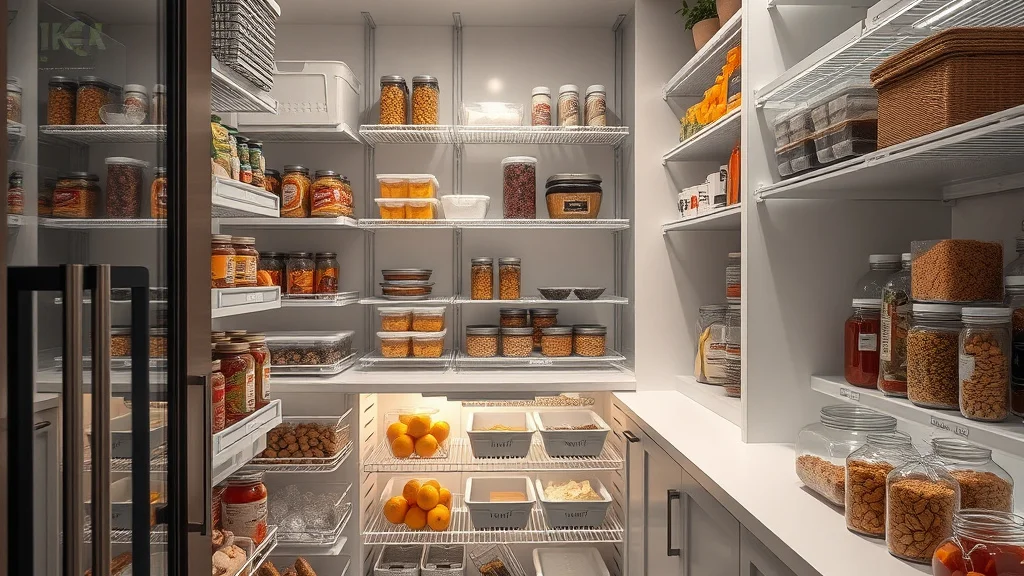
In the hustle and bustle of modern life, a well-organized pantry can be your sanctuary. It not only helps in managing your household efficiently but also aids in reducing food wastage, saving money, and inspiring healthier eating habits. With the rising trend of home organization, the importance of pantry food storage has never been more relevant. Whether you have a spacious pantry or a cabinet in a compact apartment, mastering the art of storage can transform your kitchen experience. This comprehensive guide will explore various methods and ideas to optimize your pantry food storage, making it a pivotal element of your home.
The Importance of Pantry Organization
Organizing your pantry is essential for several reasons. Firstly, a well-organized space allows you to see and access everything you have, reducing the chances of buying duplicates and minimizing wastage. Secondly, it creates a more pleasant cooking experience by making it easier to find ingredients. Thirdly, an organized pantry can improve food safety by ensuring older items are used before they expire. Furthermore, a neat pantry can enhance the aesthetic of your kitchen, creating a sense of order and calm.
Types of Pantry Food Storage
When it comes to pantry storage, the options are endless. Two main types are widely used: open shelving and cabinetry. Open shelving provides easy access and a more casual aesthetic, while cabinetry offers a cleaner, more structured look. Both types have their unique benefits and can be used in conjunction to maximize space. Choosing the right type of pantry storage depends on your kitchen layout, personal style, and storage needs.
Maximizing Space in Small Pantries
If you’re working with a small pantry, every inch of space counts. Consider using vertical space by installing shelves or hanging storage. Stacking containers can also help you make the most of the available space. Use the back of doors for additional storage with over-the-door organizers. Choose clear containers to quickly identify contents, and make sure labels are facing forward for easy identification.
| Storage Type | Advantages | Disadvantages |
|---|---|---|
| Open Shelving | Easy access, visually appealing, customizable | Can appear cluttered, dust accumulation |
| Cabinetry | Formal look, hides clutter, dust-free | More expensive, less customizable |
Selecting the Right Containers
Choosing the right containers enhances both the functionality and the aesthetics of your pantry. Glass jars are great for dry goods like grains and pasta, as they keep food fresh and allow you to see the contents clearly. Plastic containers can be more practical for heavy items or those that need to be moved frequently. Look for airtight seals to keep food fresh, and consider stackable designs to maximize space. Always label your containers for easy identification and to ensure items are returned to their correct place.
Implementing a Labeling System
A labeling system is critical in maintaining an organized pantry. It not only helps in quickly identifying the contents but also plays a role in inventory management. You can use a label maker for a neat and uniform look or chalkboard labels for a more rustic feel. Ensure your labels include expiration dates where applicable. Having a consistent labeling system helps every member of the household know exactly where each item belongs, maintaining order over time.
Utilizing Vertical Space
Are you making the most of your pantry’s vertical space? Often underutilized, vertical space can be a game-changer. Add additional shelves or tiered organizers to store more items. Shelf risers can double the storage capacity of a single shelf. Peg boards can be used to hang items such as cooking utensils or reusable bags. Hooks and clips can also be employed to hang lids of pots, freeing up shelf space for other items.
Smart Strategies for Bulk Storage
Buying in bulk is a great way to save money, but it can present storage challenges. Ensure your pantry is equipped to handle large quantities by using heavy-duty shelving that can support extra weight. Decant bulk items into smaller, more manageable containers for everyday use, refilling as needed. Keep bulk items towards the back of your pantry, and work through older stock first to maintain freshness.
Ensuring Food Safety
Food safety is an important consideration in pantry storage. Store pantry items in a cool, dry place to prevent spoilage. Be mindful of temperature fluctuations, especially if your pantry is near an oven or a heater. Regularly check for pest activity and consider using natural repellents such as bay leaves or cinnamon sticks. Inspect the contents of your pantry periodically to ensure nothing is expired or compromised.
Pantry Maintenance Tips
Keeping a pantry tidy requires regular maintenance. Schedule an annual deep clean to remove everything from the shelves and wipe them down. Rotate your stock: move older items to the front and newer ones to the back. Reassess your organization system periodically and adjust as needs change or pantries grow. Consistent maintenance not only keeps the space tidy but also extends the shelf life of foods. Check prices on Amazon
Incorporating Style into Your Pantry
Your pantry doesn’t have to be merely functional; it can also be a reflection of your style. Consider adding decorative elements like a colorful rug, stylish containers, or interesting labels. LED lighting can enhance visibility and add a touch of class. If you have open shelving, displaying neatly stacked or color-coordinated items can add visual interest. Bringing style into your pantry can make every cooking experience feel just a bit more special.
Frequently Asked Questions
What foods should not be stored in the pantry?
Certain foods like potatoes and onions should not be stored together in a pantry due to the gases they emit, which can speed up spoilage. Additionally, items like olive oil and certain vinegars fare better in cooler, darker locations.
How often should I clean my pantry?
A deep clean and reorganization of your pantry should be conducted at least once a year. However, regular maintenance and item rotation should be done monthly to keep things in order and to check for any expired items.
Can I store canned goods long-term?
Yes, canned goods are designed for long-term storage, typically lasting one to five years. However, it’s crucial to store them in a cool, dry place and to check expiration dates regularly.
What is the best way to organize spices in a pantry?
Spices can be organized alphabetically or by cooking style, depending on personal preference. Tiered racks, drawer organizers, or magnetic strips can also help keep them visible and easily accessible.
Should I decant everything in my pantry?
While decanting can improve organization and appearance, it’s not necessary for every item. Focus on frequently used items or those that benefit from airtight storage, such as grains and pasta.
Is it safe to store cleaning supplies in the pantry?
It’s best to store cleaning supplies away from food to prevent contamination. If they must be stored in the same space, ensure they are kept in a separate area, preferably at the bottom where spills are less likely to contaminate food items.
How can I prevent pests in my pantry?
Store food in airtight containers to deter pests, regularly clean your pantry, and consider natural deterrents like bay leaves. Avoid storing food directly on the floor and check for any entry points that pests could use to access your pantry.
What is the best lighting for a pantry?
LED lighting is ideal for pantries as it provides bright, clear light that is energy-efficient and long-lasting. Consider adding motion-sensor lights for convenience and to avoid leaving lights on unnecessarily.
Final Thoughts
Pantry food storage is a blend of art and science, requiring a balance of functionality, aesthetics, and practicality. Whether you’re dealing with a spacious walk-in pantry or a utilitarian kitchen cabinet, the tips and strategies outlined in this guide can transform your storage space into a well-organized haven. Remember, the key is to tailor your approach to fit your lifestyle and personal needs, ensuring your pantry serves as a testament to efficiency and style.
