

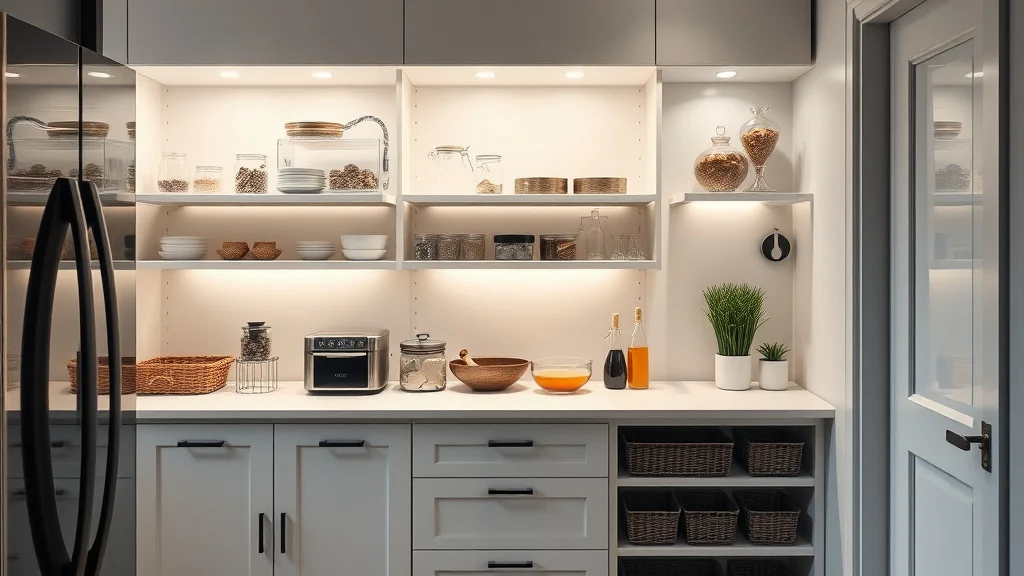
When it comes to maintaining an organized kitchen, the pantry plays a pivotal role. An unorganized pantry can lead to food waste, excess spending, and a cluttered cooking environment. With an ideal pantry setup, not only do you enhance your kitchen’s functionality, but you also ensure the efficient use of your resources. This comprehensive guide aims to discuss all aspects of pantry storage, from the basics of organization to advanced tips for maximizing space. Whether you have a large walk-in pantry or a small cupboard, there’s a solution tailored for you.
Understanding Pantry Essentials
Before diving into pantry storage solutions, it’s important to understand what items your pantry should contain. Essentials typically include:
- Non-perishable food items like rice, pasta, and canned goods.
- Spices and seasonings to enhance the flavors of your meals.
- Snacks and beverages such as nuts, granola bars, and coffee.
- Cooking oils, vinegars, and sauces.
Knowing these essentials helps you estimate the storage space you’ll need and assists in planning an efficient pantry layout.
The Importance of Pantry Organization
An organized pantry saves time and money. How so? By knowing where each item is, you reduce the time spent searching for ingredients, making cooking more efficient. Furthermore, organization helps minimize food spoilage because it’s easier to see what you have, ensuring nothing goes to waste. This section will delve into the tangible benefits of a well-organized pantry, an investment that pays off exponentially.
Choosing the Right Pantry Storage Solutions
Pantry storage comes down to two primary types: shelf-based storage and container-based storage. Each has its advantages, and the best solution often involves a combination of both.
| Storage Type | Advantages | Disadvantages |
|---|---|---|
| Shelf-based Storage |
|
|
| Container-based Storage |
|
|
Shelf-Based Pantry Organization
Shelf-based organization leans heavily on the principles of open storage. By organizing items directly on shelves, especially at eye level, you can quickly access what you need. Shelves can be customized using racks, risers, and dividers to ensure efficient use of vertical space. Here are some essential tips:
- Use labeled bins and baskets to group similar items together.
- Place items used most frequently at eye level.
- Adjust shelf height to accommodate larger items, preventing cramming and clutter.
Container-Based Pantry Organization
Container-based systems focus on orderliness and are perfect for finely organizing your pantry. With transparent containers, identifying contents is easy, making inventory check faster. To make the most of containers:
- Choose stackable, airtight containers to preserve freshness.
- Label containers for easy identification.
- Use uniform-sized containers for a clean, streamlined look.
Optimizing Small Pantry Spaces
Not everyone has the luxury of a walk-in pantry. For smaller spaces, creativity is key. Maximize every inch with these strategies:
- Use the back of doors for additional storage with hanging racks or pocket organizers.
- Employ lazy susans for corners to make items more accessible.
- Utilize vertical storage solutions such as stackable shelves and magnetic strips.
Utilizing Door Storage Effectively
Doors present an often underutilized storage opportunity in pantries. By adding over-the-door racks or installed shelving, you can expand your existing storage space. Use them to store spices, small bottles, or snacks. This ensures that every available space in your pantry is put to use.
Practical Labeling Tips
Labeling is a simple yet powerful way to maintain organization in a pantry. Consistent labeling helps everyone in the household find what they need and return it to its rightful place without confusion. Some practical tips for labeling include:
- Use a label maker for a uniform look, especially for containers and jars.
- Include expiration dates on food labels to keep track of freshness.
- Regularly update labels to reflect any pantry changes.
The Role of Pantry Inventory Management
Regularly managing your pantry inventory prevents items from inadvertently taking up space. Establish a system that works for you, whether a digital spreadsheet or a paper list. Regularly update this to track usage and needs, which ensures a consistently stocked but not overstocked pantry. Implementing practical inventory management controls both waste and excess spending. Check prices on Amazon
Maintaining Your Pantry Over Time
Setting up an organized pantry is just the beginning; maintaining it is key. Practices for upkeep include:
- Conduct monthly clean-outs to remove expired food and reorganize stock.
- Rotate items so older products are used first, adhering to the first in, first out principle.
- Involve the whole family, providing them with tips on how to keep the pantry tidy.
Adapting Pantry Organization for Families
Pantry organization should consider the unique needs of your family. Large families, for example, might require more bulk storage solutions, whereas a couple might focus on easy access to fewer items. Adjustments to consider include:
- Allocating lower shelves for children’s snacks to enable independence.
- Including more bulk bins or refill stations if consuming lots of pasta, cereals, or grains.
- Setting aside specific zones for allergies by storing items separately.
Frequently Asked Questions
What types of containers are best for pantry storage?
Airtight, stackable containers are ideal for pantry storage as they keep items fresh and optimize space.
How do I keep track of pantry items?
Regularly update an inventory list and conduct monthly checks to ensure you know what you have and what you need to buy.
What should I do with expired items?
Dispose of expired items promptly and recycle packaging where possible. This keeps your pantry organized and free from clutter.
How often should I reorganize my pantry?
A monthly cleaning and organization schedule works well for most, allowing you to maintain order and freshness.
Can I use decorative baskets in the pantry?
Absolutely, decorative baskets can add an aesthetic appeal while also effectively organizing items into categories.
How can I make deep shelves more functional?
Utilize pull-out drawers or incorporate risers and lazy susans to maximize space and improve access.
Are glass containers better than plastic for pantry items?
Glass containers offer better longevity and are more sustainable, although they can be heavier than plastic counterparts.
What pantry items should be stored at eye level?
Store the most frequently used items at eye level for quick and easy access.
Final Thoughts
Creating an organized pantry requires thoughtful planning and a commitment to maintenance. By understanding different storage solutions, utilizing space creatively, and maintaining a practical inventory system, you can transform your pantry into an efficient, aesthetically pleasing space that enhances meal preparation and reduces stress. Whether starting from scratch or refining your current setup, this guide provides the necessary tools to make the most of your pantry. Embrace these strategies and enjoy the benefits of a well-organized kitchen staple.
