
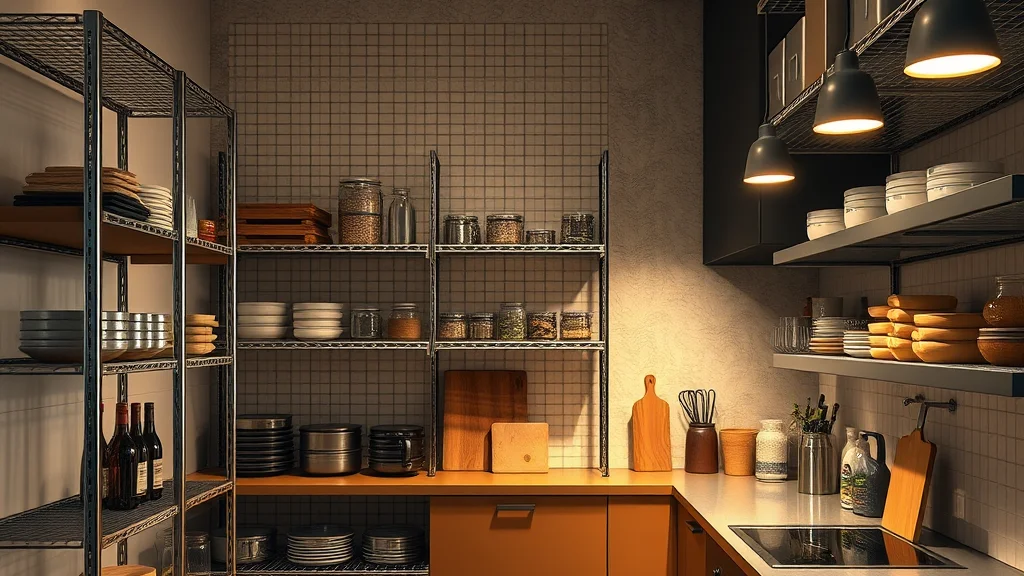
When it comes to organizing your kitchen, metal racking proves to be an invaluable tool. These versatile structures not only offer a sleek, modern aesthetic but also enhance practicality by providing optimal storage solutions. From adjusting to fit your space to supporting heavy cookware, metal racks cater to a myriad of organizational needs. This article aims to delve deep into the world of metal kitchen racking, exploring various types, significant benefits, and practical implementation. Whether you’re a home chef constantly in search of your next culinary masterpiece or a homeowner looking for streamlined storage solutions, understanding the nuances of metal racking can drastically improve your kitchen functionality and style.
Benefits of Metal Kitchen Racking
Metal kitchen racking systems offer numerous advantages over traditional wooden shelves or closed cabinets. They are known for their durability and ability to withstand heavy loads, making them ideal for storing anything from pots and pans to non-perishable food items. Here are some of the key benefits:
- Durability: Made from high-quality steel or aluminum, metal racks can withstand weighty kitchen equipment without bending or breaking.
- Versatility: A range of sizes and designs allows for tailored solutions that can fit any kitchen layout.
- Aesthetic Appeal: With a modern, industrial look, metal kitchen racking adds a sleek, professional touch to any culinary space.
- Improved Air Circulation: The open design of most metal racks enhances air circulation, reducing the risk of mold and maintaining a fresher kitchen environment.
- Easy Maintenance: Metal racks are easy to clean with a simple wipe down, making maintenance a breeze.
Popular Types of Metal Kitchen Racks
The market offers a variety of metal kitchen racking solutions, each catering to different needs. Two popular types include wire shelving and solid shelving. Understanding their features will help you make an informed decision based on your storage requirements.
Wire shelving systems are favored for their lightweight and adjustable properties. Often made from chrome-plated steel, these racks are corrosion-resistant, making them suitable for humid kitchen environments. Additionally, their open grid design ensures optimal air circulation, perfect for storing food.
On the other hand, solid shelving units are usually crafted from stainless steel or coated metal, offering robust support for heavy kitchenware. These shelves are ideal for minimizing spillage or contamination from kitchen spills, given their flat surface design.
Comparison of Wire Shelving and Solid Shelving
| Feature | Wire Shelving | Solid Shelving |
|---|---|---|
| Weight Capacity | Moderate | High |
| Maintenance | Easy | Moderate |
| Air Circulation | Excellent | Poor |
| Appearance | Modern, Sleek | Professional, Clean |
| Cost | Cost-Effective | Pricier |
Installation Tips for Metal Kitchen Racking
Installing metal kitchen racking requires careful planning to ensure it meets your organizational needs without compromising safety. Here are some key installation tips:
- Evaluate Space: Measure your kitchen area to determine the appropriate size for your metal racks.
- Choose the Right Type: Decide between wire or solid shelving based on what you need to store and the aesthetic you desire.
- Wall Support: Ensure racks are securely mounted to walls, especially when storing heavy items.
- Shelf Adjustments: Take advantage of adjustable shelves to accommodate various item heights.
- Expert Help: Consider hiring professionals for installation to ensure racks are safely and correctly installed.
Maximizing Space with Metal Racking
The effective use of metal racking can maximize even the smallest of kitchen spaces, transforming clutter into order. Here are some strategies to optimize your kitchen space:
- Vertical Storage: Utilize vertical space by extending racks towards the ceiling, perfect for items less frequently used.
- Corner Units: Incorporate corner racks to utilize otherwise wasted space efficiently.
- Multi-Purpose Racks: Select racks with multiple functions, such as integrated hooks for hanging utensils.
- Layering: Stack racks to create layers, making it easier to categorize kitchen items.
Choosing the Right Material for Your Metal Rack
Metal kitchen racks are crafted from different materials, each offering distinct benefits and few drawbacks. Here’s a brief on the most commonly used materials:
- Chrome-Plated Steel: Known for being rust-resistant and offering a polished finish, suitable for wire shelving.
- Stainless Steel: Offers superior strength and is tarnish-free, ideal for solid shelving units.
- Aluminum: Lightweight and corrosion-resistant, best for mobile racks or frequently moved units.
Safety Considerations for Metal Kitchen Racking
While metal kitchen racking systems offer many benefits, ensuring safety during installation and use is critical. Consider these safety tips:
- Anchoring: Securely anchor racks to prevent tipping, especially if situated in high-traffic areas.
- Weight Distribution: Evenly distribute the weight across shelves to prevent overloading and potential collapse.
- Height Limits: Abide by recommended height limits to maintain stability and ease of access.
- Proper Installation: Follow the manufacturer’s installation instructions carefully or consult a professional for complex setups.
Cost Considerations for Metal Kitchen Racking
The cost of metal kitchen racking can vary widely based on materials, size, and design. Here’s what to consider:
- Budgeting: Determine your budget and prioritize features that are most important to you, such as durability or aesthetics.
- Long-term Investment: Though initially pricier, stainless steel racks offer longevity and require less maintenance over time.
- DIY vs. Professional Installation: Opting for a DIY installation can save costs, but professional setup assures safety and accuracy.
Design Ideas for Integrating Metal Racking in Your Kitchen
Metal racking isn’t just functional; it can be a stylish addition to your kitchen. Here are some design ideas to inspire you: Check prices on Amazon
- Industrial Chic: Use metal racks in combination with wooden elements for a rustic, industrial look.
- Modern Minimalism: Choose sleek chrome or stainless steel designs that blend seamlessly into modern kitchen themes.
- Open Shelving Aesthetics: Showcase your cookware and kitchen treasures while maintaining organization.
- Accent Pieces: Combine metal racks with colorful or textured storage boxes for a pop of color and added storage.
Maintenance Tips for Longevity
Proper maintenance of your metal kitchen racking can extend its lifespan significantly. Follow these maintenance tips:
- Regular Cleaning: Wipe shelves with a mild detergent to prevent accumulation of grease or dirt.
- Inspect for Damage: Routinely check for rust or structural damage and address issues promptly to prevent further deterioration.
- Surface Protection: Consider using liners or mats on shelves storing sharp or heavy objects to prevent scratches.
Frequently Asked Questions
Can metal kitchen racks support heavy kitchen appliances?
Yes, metal kitchen racks, particularly those made from solid shelving, are designed to support heavy appliances such as mixers and food processors. Always check the weight limits specified by the manufacturer.
Are metal racks suitable for small kitchens?
Absolutely. Metal racks are available in various sizes and can be customized to fit small kitchens efficiently. Their vertical and open design makes them ideal for compact spaces, maximizing storage without occupying significant floor space.
Is it necessary to secure metal racks to the wall?
For safety, especially in households with children or pets, it is recommended to secure taller racks to the wall to prevent them from tipping over.
How do I prevent rust on my metal racks?
To prevent rust, regularly clean the racks using non-abrasive, moisture-resistant cleaning agents. Applying a protective sealant can also prolong the rack’s lifespan by preventing rust.
Can I repaint metal kitchen racks?
Yes, repainting can breathe new life into your metal racks. It’s important to use paint specifically designed for metal surfaces. Thoroughly clean and sand the racks before applying the paint for optimal adhesion.
Are metal kitchen racks suitable for storing food?
Yes, especially wire shelving which promotes excellent air circulation, making it ideal for non-perishable food storage. Ensure hygiene by regularly cleaning the shelves.
Do metal racks require professional installation?
While many metal racking systems are designed for DIY installation, consulting professionals ensures they are securely and optimally installed, offering peace of mind and reduced risk of mishaps.
Which metal finish is most durable for kitchen racks?
Stainless steel is often regarded as the most durable finish due to its ability to resist stains and corrosion, making it a long-lasting option for kitchen environments.
Final Thoughts
Metal kitchen racking is a practical, stylish solution for creating an organized and efficient kitchen environment. With varieties that cater to both aesthetic preferences and functional needs, there’s a place for metal racks in every home. By understanding your specific kitchen requirements, from size and style to budget and maintenance, you can select the perfect metal racking system that not only maximizes storage but enhances your kitchen’s overall design.
