

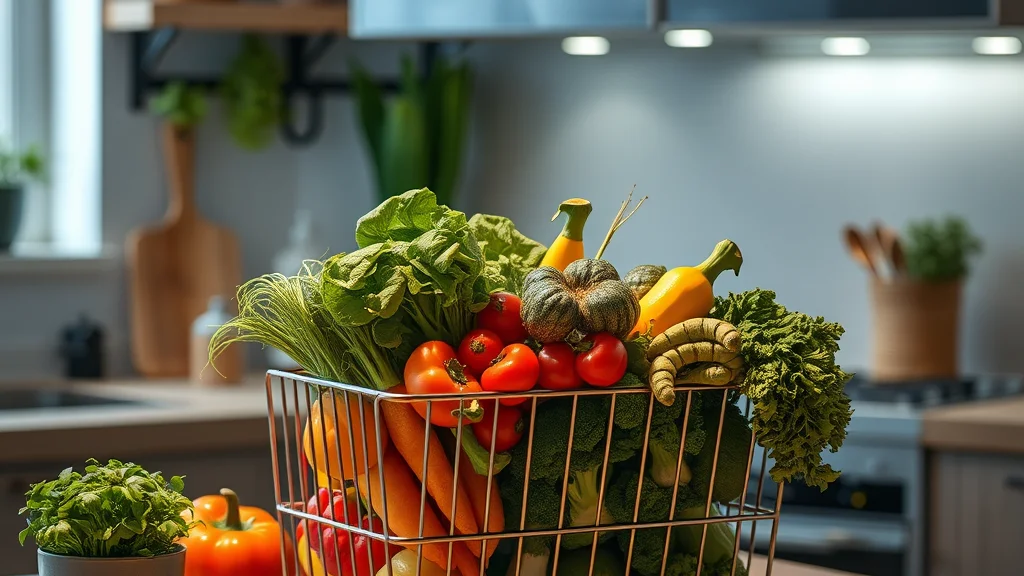
The kitchen is often considered the heart of the home—a place where meals are made, families gather, and conversations flow. For busy cooks, organizing a kitchen in a way that promotes efficiency and ease of cooking is crucial. This is where kitchen vegetable racks come into play. Offering both functionality and style, these racks provide an effective storage solution that keeps your vegetables fresh, easily accessible, and neatly arranged. In this article, we will explore smart kitchen vegetable rack ideas designed to meet the needs of busy chefs, helping you transform your culinary space into a well-organized and visually pleasing area.
Types of Vegetable Racks: Standing vs. Hanging
Before you choose a vegetable rack, it’s essential to understand the different types available. The two main types are standing racks and hanging racks, each offering its own set of benefits that cater to different kitchen layouts and personal preferences.
Standing Vegetable Racks
Standing vegetable racks are freestanding units that can be placed anywhere in the kitchen. They come in a variety of sizes, materials, and designs. These racks are ideal for kitchens with ample floor space and for those who prefer flexibility in rearranging their kitchen setup. Additionally, standing racks often feature multiple tiers, which can accommodate a wide range of vegetables and other grocery items.
Hanging Vegetable Racks
On the other hand, hanging vegetable racks are perfect for smaller kitchens where floor space is limited. These racks are suspended from the ceiling or mounted on walls, maximizing vertical space. Hanging racks not only save space but also enhance the aesthetic appeal of the kitchen by displaying vegetables in an artistic manner. They are especially suitable for storing items like garlic, onions, and herbs that benefit from good air circulation.
| Feature | Standing Vegetable Rack | Hanging Vegetable Rack |
|---|---|---|
| Space Utilization | Uses floor space, suitable for larger kitchens | Uses vertical space, ideal for small kitchens |
| Accessibility | Easy access from multiple angles | Requires reaching up, may not be convenient for all |
| Flexibility | Easy to relocate or rearrange | Fixed once installed |
| Design Variability | Numerous designs and sizes available | Limited to certain styles |
| Aesthetic Appeal | Can be a decorative element on its own | Creates a unique, eye-level display |
Optimal Materials for Kitchen Vegetable Racks
Choosing the right material for your vegetable rack can greatly influence its durability and maintenance needs. Common materials include:
- Stainless Steel: Known for its strength and rust resistance, perfect for humid kitchens.
- Wood: Offers a rustic look and is biodegradable, but may require maintenance like sealing.
- Plastic: Lightweight and versatile, however, it may not be as sturdy or visually appealing as other options.
Smart Organization Tips for Vegetable Racks
Efficiently organizing your vegetable rack can make meal prep faster and easier. Here are some tips:
- Sort vegetables by type for quick identification.
- Use bins or baskets to contain similar items together.
- Keep vegetables with a shorter shelf life at the front for quicker usage.
Incorporating Labels and Tags
Labels and tags can enhance the functionality of your vegetable rack. Consider these options:
- Chalkboard Labels: Reusable and perfect for those who frequently change storage items.
- Printable Tags: Customizable and ideal for maintaining a clean and cohesive look.
Maintaining Freshness of Vegetables
Proper storage techniques are essential for keeping vegetables fresh longer. Here’s how:
- Ensure good air circulation to prevent mold and spoilage.
- Keep sensitive vegetables away from ethylene producers like apples and bananas.
- Use humidity-friendly materials such as wood slats or mesh for better air flow.
Considerations for Placement and Access
Strategically placing your vegetable rack can improve accessibility and convenience. Consider:
- Position racks near preparation and cooking areas for efficiency.
- Avoid placing racks near heat sources like stoves to prevent accelerated spoilage.
Customizing Your Kitchen Vegetable Rack
Personalizing your vegetable rack can enhance both function and decor. Here are some ideas:
- Add hooks for hanging kitchen tools or herbs.
- Incorporate small shelves for spice jars or cooking essentials.
Budget-Friendly Vegetable Rack Solutions
Creating an effective vegetable storage system doesn’t have to break the bank. Affordable options include:
- DIY projects with reclaimed wood or repurposed materials.
- Bargain finds at thrift shops or clearance sections.
Eco-Friendly Considerations
Going green in your kitchen reflects a commitment to the environment. Consider eco-friendly racks made from sustainable materials or supporting local artisans who craft these racks from ethically sourced materials. Check prices on Amazon
Frequently Asked Questions
What is the best material for a vegetable rack?
The best material depends on your kitchen’s environment and your preference for maintenance. Stainless steel is durable and rust-resistant, while wood offers a natural look but may require more maintenance.
How can I maximize space with a vegetable rack?
Opt for vertical storage to utilize space efficiently. Hanging racks or multi-tier standing racks offer excellent solutions for small kitchens.
Are there specific vegetables that should not be stored together?
Yes, avoid storing ethylene-producing fruits like apples next to sensitive vegetables to prevent premature ripening and spoilage.
Can I customize my vegetable rack?
Absolutely! Adding hooks, shelves, and decorative elements can personalize the rack to better fit your kitchen’s theme and your cooking needs.
Do hanging racks require professional installation?
Not necessarily. Many hanging racks come with straightforward installation instructions suitable for DIYers, but professional help ensures safety and proper alignment.
How often should I clean my vegetable rack?
Regular cleaning depends on usage, but a thorough cleaning every few months is advisable to prevent any mold or odor from setting in.
Can vegetable racks hold other kitchen items?
Yes, while designed for vegetables, these racks can also store spices, utensils, and even small pots and pans depending on the design.
What is the advantage of using baskets within a vegetable rack?
Baskets help compartmentalize items, making organization easier and increasing accessibility, especially for smaller items that may get lost in larger racks.
Final Thoughts
A well-organized kitchen can make a significant difference in the cooking experience, especially for those with demanding schedules. By integrating smart vegetable rack solutions into your kitchen, you can ensure that your produce is not only stored safely and attractively but also kept within reach for your culinary adventures. Whether you opt for standing or hanging racks, choose the materials and designs that best meet your needs and personal style. With the right approach, your kitchen can become both a beautiful and functional space that reflects your personality and professionalism as a cook.
