
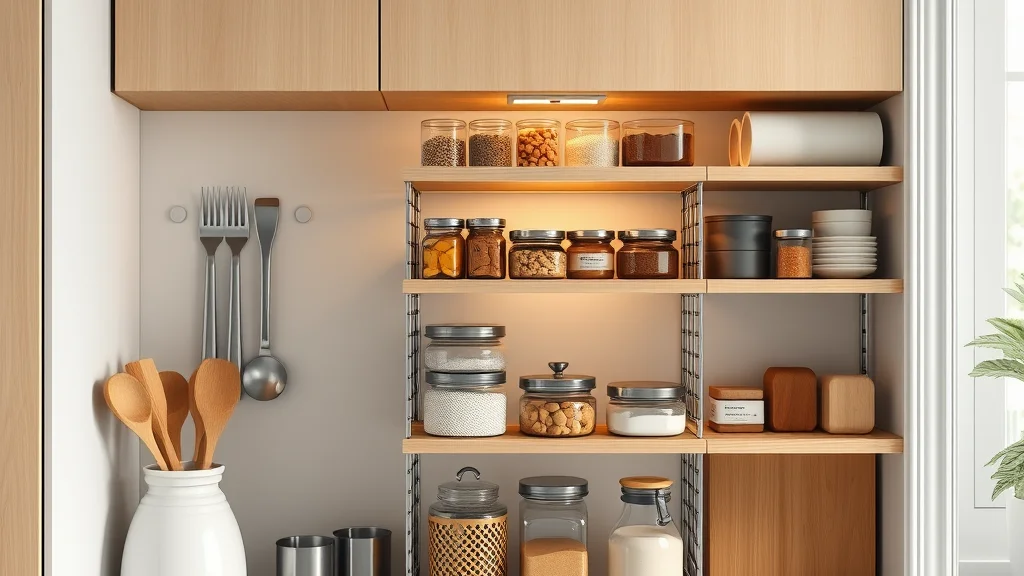
In every home, the kitchen is a bustling hub where culinary magic happens, family recipes are crafted, and feasts are shared. Yet, amidst the culinary chaos, organization often takes a backseat, especially when it comes to the pantry. A well-organized pantry not only saves time but also helps avoid unnecessary purchases and minimize waste. Enter the kitchen pantry rack—a versatile solution designed to maximize space and enhance accessibility. In this article, we will explore the various types of kitchen pantry racks, share some innovative hacks to optimize your pantry space, and offer detailed insights into making the best choices for your storage needs. Whether you’re grappling with a compact space or simply looking to streamline existing storage areas, the right pantry rack could be a game-changer for your kitchen organization.
The Importance of an Organized Pantry
An organized pantry serves as the backbone of a functional kitchen. It ensures that ingredients and supplies are easily accessible, minimizing the time spent rummaging through clutter. A well-arranged pantry promotes efficiency and reduces food waste by keeping items visible and easy to reach. Moreover, it can inspire culinary creativity by relieving the stress of finding necessary ingredients quickly. An organized pantry isn’t just about aesthetics, although a visually pleasing pantry is certainly a bonus; it’s about creating a space that works for you and your culinary endeavors. This is where kitchen pantry racks come into play, providing a structured approach to pantry organization.
Types of Kitchen Pantry Racks
Kitchen pantry racks come in a variety of designs, sizes, and materials, each catering to specific storage needs and preferences. The two main types include:
- Free-Standing Racks: These are versatile, movable storage solutions that can be placed anywhere in your kitchen or pantry, making them ideal for renters or those intending to relocate.
- Wall-Mounted Racks: Perfect for small spaces, wall-mounted racks utilize vertical space, providing efficient storage without needing floor space.
Choosing the Right Material for Your Pantry Rack
The material of your pantry rack can greatly influence its durability, maintenance, and aesthetics. Common materials include:
- Metal: Known for its strength and durability, metal racks are excellent for heavy-duty storage. They are easy to clean and typically have a sleek, modern look.
- Wood: Wood racks offer a classic and warm appearance. They are sturdy and versatile but may require more maintenance to prevent warping.
- Plastic: Lightweight and affordable, plastic racks are resistant to moisture and easy to maintain, making them a good option for budget-conscious households.
| Feature | Free-Standing Racks | Wall-Mounted Racks |
|---|---|---|
| Flexibility | Highly flexible; can be moved easily | Fixed installation; less flexible |
| Space Utilization | Requires floor space | Optimizes vertical space |
| Installation | No installation needed | Requires mounting on walls |
| Capacity | Varying capacities depending on size; usually larger | Limited by wall size but can be extended vertically |
Maximizing Space with Free-Standing Racks
Free-standing racks are an excellent choice for larger pantries. Consider the following tips to maximize their usage:
- Adjustable Shelves: Opt for racks with adjustable shelves, allowing customization based on your storage needs.
- Tiered Storage Solutions: Utilize racks with multiple tiers to accommodate a variety of items, ensuring that nothing is hidden or inaccessible.
- Add Baskets and Bins: Use baskets or bins on each tier to organize smaller items or groups of similar products.
Utilizing Wall-Mounted Racks Effectively
Wall-mounted racks are a space-saving solution for smaller kitchens. Here’s how to optimize their functionality:
- Install Above Countertops: Maximize wall space by installing racks high up, above countertops, to store items like spices and utensils.
- Use Hooks for Hanging: Add hooks to the underside of racks for hanging mugs, cups, or even small pots.
- Create a Pegboard Wall: Consider a pegboard-style wall-mounted rack, allowing for versatile storage of various kitchen tools.
DIY Pantry Rack Modifications
For those inclined towards a personalized touch, DIY modifications can transform standard pantry racks into customized storage units:
- Paint or Stain: Add a coat of paint or stain to match your kitchen’s theme and protect the rack from wear and tear.
- Add Lighting: Attach LED strip lights underneath shelves for better visibility and a professional appearance.
- Custom Labels: Use custom labels for your bins and shelves to keep everything organized and easily identifiable.
Incorporating Modern Technology in Pantry Racks
Modern technology has made its way into kitchen organization, enhancing pantry racks with smart solutions:
- Smart Sensors: Install sensors that track inventory levels, alerting you when supplies run low.
- App Integration: Some modern racks come with smartphone apps to help organize shopping lists and recipe suggestions based on pantry items.
- Temperature Control: Certain units offer controlled temperature settings, ideal for preserving specific pantry goods.
Cost Factors When Selecting Kitchen Pantry Racks
Understanding the costs associated with pantry racks is crucial in making an informed decision:
- Material Costs: Metal tends to be more expensive than plastic, but offers higher durability.
- Installation Fees: Wall-mounted racks may require professional installation, adding to overall costs.
- Long-Term Investment: Consider the lifespan and functionality of the rack; investing in quality may save money in the long run.
Environmental Considerations for Pantry Racks
As sustainability becomes more important, consider how your storage choices impact the environment:
- Recycled Materials: Choose racks made from recycled or eco-friendly materials.
- Durability Over Disposability: Opt for sturdy racks that will last, reducing the need for replacements.
- Repurposing: Find secondhand racks or repurpose existing furniture into pantry storage to minimize waste.
Safety Tips for Pantries with Young Children
Ensuring a safe pantry environment is crucial for families with young children:
- Secure Heavy Items: Place heavy items on lower shelves to prevent accidents.
- Latching Mechanisms: Use safety latches on doors to restrict access to hazardous or breakable items.
- Rounded Edges: Prefer racks with rounded edges to avoid injuries.
Adapting for Special Dietary Needs
Those with specific dietary requirements can benefit from a meticulously organized pantry:
- Dedicated Sections: Create distinct sections for gluten-free, vegan, or other special diet items, making them easily accessible.
- Clear Containers: Use clear containers to quickly identify foods, reducing cross-contamination risk.
- Labels and Expiry Dates: Label all items with purchase and expiry dates to maintain a safe and organized pantry.
Frequently Asked Questions
Can I place a free-standing rack in a small kitchen?
Yes, you can opt for a slim free-standing rack that fits into narrow spaces or select multi-tiered options for vertical storage. Check prices on Amazon
Are metal racks suitable for humid environments?
Metal racks with anti-rust finishes work well in humid areas, but it’s essential to choose high-quality units to prevent wear.
How can I prevent pantry moths?
Use airtight containers for dry goods, regularly clean the pantry, and check expiry dates to prevent infestations.
What’s the easiest way to clean a pantry rack?
A quick wipe with a damp cloth should suffice for most racks. For deeper cleaning, use mild detergent and ensure thorough drying.
How often should I reorganize my pantry?
It’s best to do a light organization monthly and a comprehensive clean every six months, adjusting as your storage needs change.
Can I install a wall-mounted rack on any wall type?
Ensure the wall is structurally capable of supporting the rack. Drywall may need additional support, while masonry requires specific anchors.
What should I consider when buying a used pantry rack?
Check for structural integrity, signs of rust or damage, and verify that all components, like screws and brackets, are included.
What’s the best way to label pantry items?
Use waterproof and durable labels, color-coded for easy identification, and include the item’s name and expiry date.
Final Thoughts
Kitchen pantry racks can transform chaotic storage areas into organized, efficient spaces. Whether you choose free-standing or wall-mounted racks, the key is to tailor your storage solutions to your specific needs and space constraints. With thoughtful planning, the right materials, and innovative ideas, your pantry can become a functional extension of your culinary prowess. Whether you’re embarking on a pantry overhaul or simply enhancing existing storage, these hacks and tips provide the groundwork for a well-organized, stress-free kitchen environment, ensuring that your pantry serves not just as a storage area, but as an integral part of your cooking experience.
