
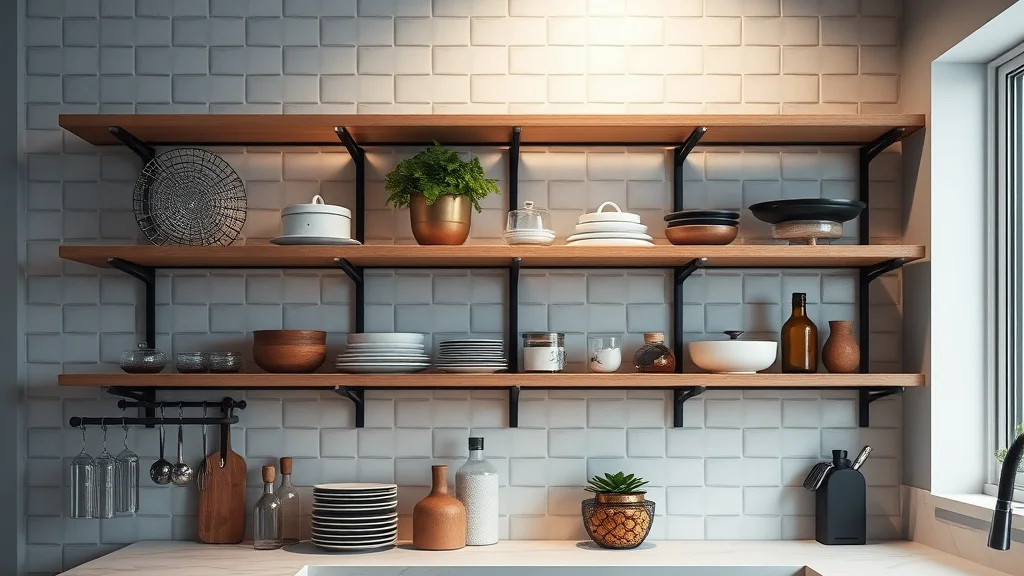
The kitchen is often regarded as the heart of the home, where meals are prepared, and memories are created. However, it can also be one of the most cluttered spaces, especially when navigating limited storage options. Enter kitchen rack shelves—versatile and efficient solutions designed to maximize every square inch of your kitchen. Whether you’re a culinary enthusiast with an arsenal of gadgets or someone with minimalist aspirations, proper shelving can dramatically improve both the functionality and aesthetics of your kitchen. This guide dives deep into the world of kitchen rack shelves, helping you understand, choose, and organize your kitchen efficiently.
Understanding Kitchen Rack Shelves
Kitchen rack shelves come in a variety of styles and materials, each serving different purposes and catering to diverse aesthetic preferences. Understanding the options available can aid in making an informed decision that best suits your needs.
- Adjustable Shelving: Adjustable shelves provide the flexibility to alter the height as required, fitting various sizes of items.
- Fixed Shelving: Fixed shelves offer a stable and sturdy option for storing heavier items without needing frequent adjustment.
- Material Choices: Shelves can be found in wood, metal, or plastic, each offering unique benefits such as sturdiness, ease of cleaning, or affordability.
Benefits of Installing Kitchen Rack Shelves
Opting for kitchen rack shelves offers numerous advantages, making them an essential addition to any kitchen.
- Increased Storage Space: With vertical storage, kitchen shelves maximize available space, effectively catering to smaller kitchens or apartments.
- Organizational Efficiency: Utilizing shelves allows for easy categorization and organization of kitchen essentials, reducing clutter and improving workflow.
- Accessibility: Placing frequently used items on shelves improves accessibility, allowing you to reach for what you need without hassle.
Common Types of Kitchen Rack Shelves
Choosing the right type of kitchen rack shelves can significantly impact their effectiveness. Below are two primary styles commonly used.
Wall-Mounted Shelves
Wall-mounted shelves are affixed directly to the walls, providing a minimalist aesthetic while maximizing vertical space. They’re ideal for storing lighter items and keeping countertops free from clutter. This style is perfect for displaying decorative items, cookbooks, or frequently used ingredients like spices.
Freestanding Shelving Units
Freestanding units offer flexibility in placement and can be moved as needed. They typically feature multiple tiers and can accommodate bulkier items such as pots and pans. This type of shelving is excellent for pantries or kitchens with more spacious designs.
Comparison Table
| Feature | Wall-Mounted Shelves | Freestanding Shelving Units |
|---|---|---|
| Installation | Requires wall drilling, fixed placement | No installation, portable |
| Space Utilization | Utilizes vertical wall space | Occupies floor space |
| Weight Capacity | Lower, depends on wall strength | Higher, sturdy for heavy items |
| Flexibility | Fixed location | Can be moved and adjusted |
How to Choose the Right Kitchen Rack Shelves
Consider the following criteria before purchasing kitchen rack shelves to ensure your choice meets both functional and aesthetic demands.
- Space Availability: Measure your kitchen’s available wall or floor area to ensure the shelves will fit appropriately without overcrowding.
- Storage Needs: Determine the types and sizes of items you need to store, influencing whether you choose adjustable or fixed options.
- Decorative Elements: Match your shelf material with the existing kitchen decor for a cohesive look, be it modern, rustic, or industrial.
Installation Tips for Wall-Mounted Shelves
Installing wall-mounted shelves can seem daunting, but with the right tools and guidelines, it becomes a simple process.
- Tools Required: Gather a drill, level, screws, and anchors suitable for the wall material.
- Stud Finder Use: Locate wall studs to ensure your shelves have the necessary support, especially for heavier items.
- Leveling: Use a level tool to ensure the shelves are not only secured firmly but also aligned evenly to prevent items from sliding off.
Organizing Tips for Kitchen Shelves
Once you’ve installed your shelves, the next step is to organize them efficiently to enhance kitchen workflow and maintain tidiness.
- Category Sorting: Group similar items together, such as baking, spices, or cereal, making it easier to locate what you need.
- Mind the Weight: Place heavier items on lower levels for safety and stability, reserving top shelves for lighter or less frequently used items.
- Visual Displays: Utilize clear jars or containers for storage which also serve as decorative elements, enhancing the aesthetic of your kitchen.
Maintaining Your Kitchen Shelves
To ensure your kitchen rack shelves last and continue to serve you well, regular maintenance is essential.
- Regular Cleaning: Dust and clean the surfaces with a damp cloth to prevent buildup of grime or food particles.
- Inspect Joints & Fasteners: Regularly check for loose screws or fittings which could compromise the stability of your shelves.
- Reorganize as Necessary: Don’t hesitate to change arrangements or locations of items to suit seasonal needs or new kitchen tools.
Customizing Kitchen Rack Shelves
Enhance the personal touch of your kitchen shelves by customizing them to fit your unique style and storage needs.
- Paint & Finish: Add a coat of paint or finish to the shelves to complement the kitchen color scheme or theme.
- Integrate Baskets: Use decorative baskets or bins that can slide onto shelves for organizing smaller items or hiding less attractive necessities.
- Labeling: Label shelves or containers which can greatly enhance efficiency, especially when multiple people use the kitchen.
Eco-Friendly Shelving Options
For the environmentally conscious homeowner, choosing sustainable shelving options provides a dual benefit for both the kitchen and the planet.
- Reclaimed Wood: Opts for shelves made from reclaimed or recycled wood, which also add a rustic charm to the decor.
- Bamboo Shelving: Bamboo is a highly sustainable resource, offering a lightweight yet sturdy shelving option.
- Low VOC Finishes: Choose shelves finished with low-VOC (Volatile Organic Compounds) paints or stains to reduce indoor air pollution.
Avoiding Common Mistakes with Kitchen Rack Shelves
Even with the best intentions, choosing or using kitchen rack shelves can sometimes go astray. Here’s how to avoid common pitfalls. Check prices on Amazon
- Ignoring Weight Limits: Overloading shelves can lead to sagging or collapsing; always adhere to the manufacturer’s weight guidelines.
- Neglecting Aesthetic Consistency: Clashing shelf materials or colors can disrupt kitchen harmony; always strive for cohesive design choices.
- Improper Placement: Ensure shelves are not placed where they can obstruct movement, such as doors opening fully or easy access to essential kitchen areas.
Frequently Asked Questions
How do I know if wall-mounted shelves can hold heavy items?
Check the weight limit provided by the manufacturer, and ensure they are installed on sturdy walls with adequate support from wall studs or anchors.
Are wooden shelves better than metal or plastic options?
Each material has its benefits. Wooden shelves offer a classic look and are generally more robust; metal is more modern but can be less stable if not properly anchored. Plastic is lightweight and budget-friendly.
What is the best way to organize cookware on shelves?
Group by type or frequency of use. Pots and pans can be nested together on lower shelves, while lids may be stored vertically using racks or organizers.
How often should I clean my kitchen rack shelves?
Clean shelves at least once a month or when spills occur, to prevent residue buildup and maintain hygiene.
Can I install shelves myself, or should I hire a professional?
Hanging shelves can be a DIY project if you have basic tools and skills; however, consider professional help if you’re unsure about load-bearing walls or need precise placement.
What are some decorative ideas for open shelves?
Combine function with style by displaying decorative plates, a few select cookbooks, potted herbs, or use baskets for storing utensils.
Why incorporate shelves in a pantry?
They offer more storage space, visibility of the items, easier access, and organization, making meal prep faster and more efficient.
How can I ensure my freestanding unit doesn’t topple over?
Place heavier items at the bottom and use the leveling feet if available. For added security, you could consider anchoring it to the wall.
Final Thoughts
Kitchen rack shelves bring an abundance of benefits to any kitchen, regardless of size or style. From increasing storage capacity to enhancing aesthetics, they are an essential orginal solution that truly maximizes the space you have. By choosing the right type of shelves, considering your storage needs, and maintaining them regularly, you can transform your kitchen into a well-organized, efficient, and visually appealing space. Whether opting for wall-mounted precision or the flexibility of freestanding units, the impact on your daily cooking routine and overall kitchen organization will be profound. Equip your kitchen with the right shelves and rediscover the pleasure of cooking in a clutter-free environment.
