

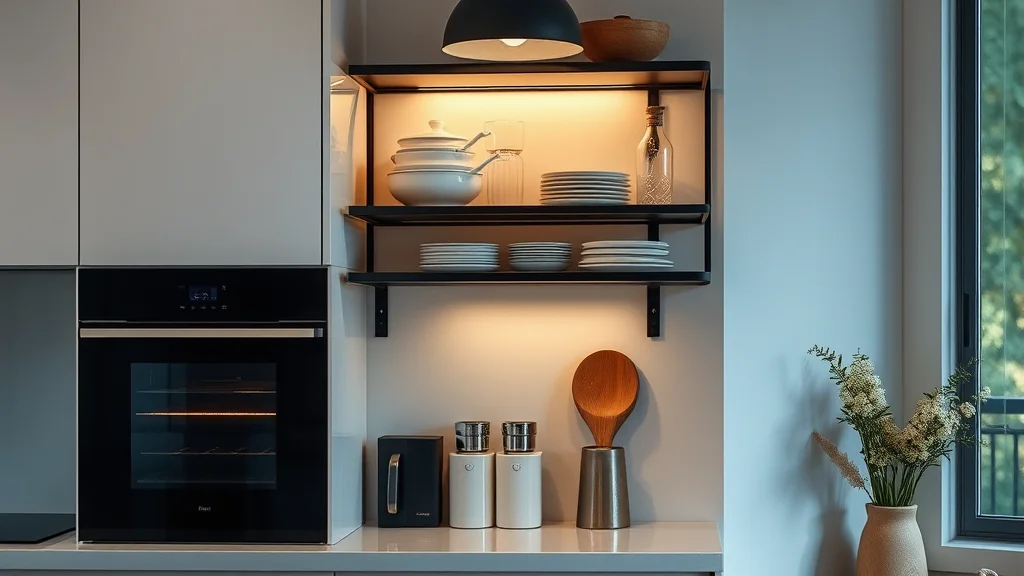
In the modern kitchen, efficient use of space is crucial. Kitchen corners often become the neglected areas where tons of potential storage space gets wasted. Incorporating corner racks into these spots can not only improve the functionality of your kitchen but also enhance its aesthetic appeal. For homeowners looking to maximize every inch of their kitchen, corner racks offer a smart solution. By understanding the types and benefits of corner racks, you can transform unused corners into practical storage areas.
Understanding Corner Racks
Corner racks are specifically designed to fit into the awkward corners of your kitchen, making them a perfect addition to both large and small kitchens. These racks come in various styles and materials, ensuring that they can complement the existing design of your kitchen while providing increased storage space. With options ranging from standalone units to hidden shelving, there’s a solution for every kitchen layout.
Types of Corner Racks
The two main types of corner racks you’ll encounter are free-standing and built-in. Each type offers unique benefits and can be selected based on your kitchen layout and personal preferences.
Free-standing vs. Built-in Corner Racks
| Type | Benefits | Drawbacks |
|---|---|---|
| Free-standing |
|
|
| Built-in |
|
|
Choosing the Right Material for Corner Racks
The choice of material is a significant factor in both durability and style. Common materials include wood, metal, and plastic. Wood offers a classic look and is often used in rustic or traditional kitchen designs. Metal racks provide a modern and industrial aesthetic, perfect for contemporary spaces. Lastly, plastic racks are often lightweight and budget-friendly, suited for quick and easy solutions.
Design Aesthetic Considerations
Selecting the right design involves harmonizing the corner rack with your existing kitchen decor. Consider the color, texture, and style of your kitchen when choosing a corner rack. Whether you opt for a sleek metal design for a modern kitchen or a graceful wooden rack for a vintage look, ensuring cohesion in design contributes to a balanced and pleasant kitchen environment.
Maximizing Storage with Corner Racks
Corner racks can significantly increase your storage space. By creatively organizing your items, you can fit much more than you initially expect. Use adjustable shelves for flexibility; incorporate hooks for mugs or utensils; and, in larger units, add baskets or bins to organize smaller items and prevent clutter.
DIY Corner Rack Installation Tips
Installing a corner rack can be a DIY project if you have the right tools and skills. Measure your space carefully, ensuring that the rack fits perfectly without obstructing access to other kitchen elements. Follow the manufacturer’s instructions meticulously, or consider online tutorials for additional guidance. For built-in racks, professional installation is recommended.
Common Mistakes When Using Corner Racks
Avoiding common pitfalls can improve your corner rack usage in the kitchen. Ensure your shelves are not overloaded, preventing accidents and maintaining the integrity of the rack. Poor positioning can lead to inefficiency; therefore, plan your kitchen layout around accessibility to avoid unnecessary bending or reaching.
Corner Racks for Small Kitchens
In small kitchens, space is at a premium, and corner racks can make a big difference. Opt for sleek designs that do not overwhelm the space. Consider built-in racks that utilize vertical space efficiently. Using stackable containers can also help maximize the capacity of these racks, keeping your countertops clear.
Maintaining Your Corner Racks
Maintaining your corner racks is essential to ensure their longevity and appearance. Regularly clean the racks, especially if they’re in contact with food or spills. For wooden racks, use appropriate treatments to prevent damage from moisture. For metal racks, ensure they are free from rust by cleaning with a mild detergent. Check prices on Amazon
Frequently Asked Questions
What is the best type of corner rack for a small kitchen?
For small kitchens, built-in corner racks make the best use of limited space, as they maximize storage without taking up additional floor area.
How do I choose the right corner rack size?
Measure the corner space carefully, considering height, width, and depth. Choose a rack that allows for easy access to items while not blocking other kitchen appliances or cabinets.
Are corner racks difficult to install?
Free-standing corner racks are typically easy to install, needing no tools. Built-in racks can be more complex and may require professional installation.
Can corner racks bear heavy loads?
This depends on the material and design. Metal and sturdy wooden racks generally support heavier loads, while plastic may be better suited for lighter items.
Do corner racks come in custom sizes?
Some manufacturers offer customizable corner racks, especially built-in options, ensuring a perfect fit for your kitchen dimensions.
How do I maintain the appearance of metal corner racks?
Regular cleaning with a damp cloth and mild detergent can help maintain their shine. Avoid using abrasive cleaners to prevent scratching the surface.
What styles are available for corner racks?
There is a wide variety of styles available, ranging from rustic to modern, ensuring compatibility with any kitchen design aesthetic.
Are corner racks a good investment for renters?
Free-standing corner racks are perfect for renters, as they do not require installation and can be moved easily. Built-in racks should be avoided unless approved by landlords.
Final Thoughts
Corner racks offer an efficient solution for utilizing underused kitchen space. By carefully selecting the type and design best suited to your kitchen, you can enhance both its functionality and visual appeal. Whether you opt for a portable free-standing unit or a seamlessly integrated built-in rack, making the most of your kitchen’s corners will improve your cooking experience and organization immensely.
