

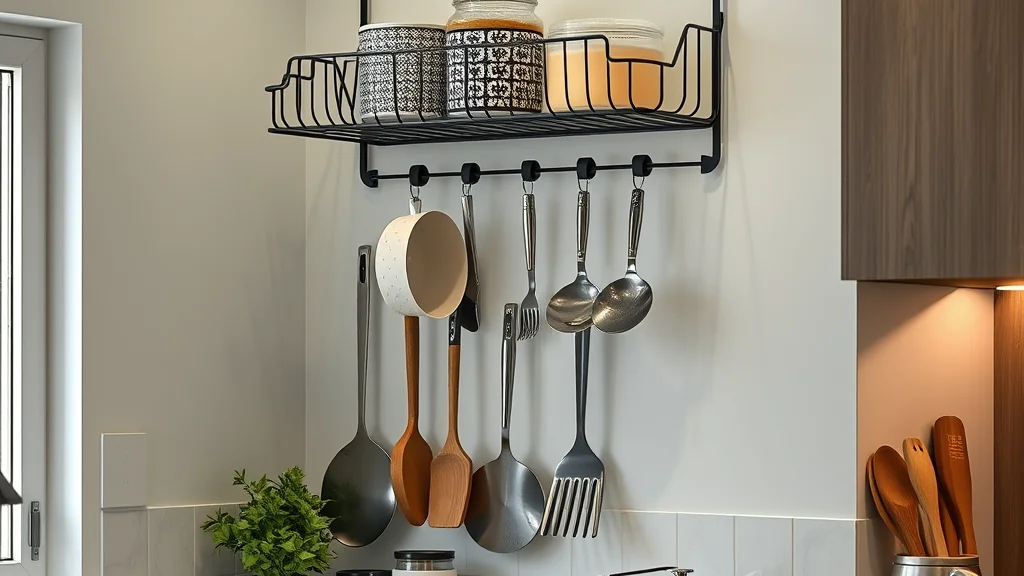
When it comes to home organization, the kitchen is a prime area needing attention and efficiency. Often bustling with activity, the kitchen can quickly become cluttered with utensils, pots, pans, and various kitchen gadgets. This is where a kitchen wall hanging rack can become an indispensable tool in your organizational toolkit. With the right rack, you can save counter space, maintain a tidy kitchen, and keep your cooking utensils easily accessible. In this comprehensive guide, we’ll help you navigate the world of kitchen wall hanging racks, compare different types, and provide tips for selecting the best option for your needs. Whether you’re an experienced chef or a casual cook, you’ll find the insights and advice you need to make an informed choice.
Understanding Kitchen Wall Hanging Racks
The kitchen wall hanging rack is a space-saving solution designed to organize and store various kitchen items. These racks utilize vertical space, transforming empty walls into functional storage areas. Ideal for kitchens of any size, wall hanging racks keep items off countertops and within easy reach. The rack you choose can drastically impact your kitchen’s functionality and aesthetics.
- Materials: Kitchen racks come in various materials such as stainless steel, wood, and plastic, each offering different benefits.
- Functionality: Some racks are versatile, catering to pots, pans, and utensils, while others are specialized.
- Design: The design should complement your kitchen decor and cater to your storage needs.
Benefits of Using a Kitchen Wall Hanging Rack
Using a kitchen wall hanging rack offers several benefits that enhance both the functionality and aesthetics of your kitchen space.
- Maximize Space: By utilizing vertical space, wall hanging racks free up counter and cabinet space.
- Accessibility: Keeps frequently used utensils and cookware within easy reach, improving kitchen efficiency.
- Organization: Helps in maintaining an organized kitchen by preventing clutter.
- Style: Adds to the kitchen décor with various styles and finishes.
Comparing Two Main Types of Kitchen Wall Hanging Racks
When selecting a kitchen wall hanging rack, two primary types dominate the market: Bar Racks and Pegboard Racks. Each offers distinct functionalities and design options tailored to different kitchen needs.
| Feature | Bar Racks | Pegboard Racks |
|---|---|---|
| Primary Use | Ideal for hanging utensils, towels, and small pans. | Suitable for customizable storage of pots, pans, and utensils. |
| Material Options | Typically metal or wood. | Usually metal or durable plastic. |
| Customization | Limited to hooks; requires additional accessories for more storage options. | Highly customizable with various hooks and shelves. |
| Installation | Easier to install; often requires fewer tools. | May require more time and effort for proper mounting. |
| Visual Appeal | Offers a clean, streamlined look. | Has a more functional, industrial appearance. |
How to Choose the Right Kitchen Wall Hanging Rack
Selecting the right kitchen wall hanging rack involves considering your specific needs and preferences. Here are some factors to keep in mind:
- Kitchen Size and Layout: Ensure the rack fits your kitchen’s dimensions and complements its layout.
- Capacity Needs: Consider the amount and type of items you’ll be storing.
- Installation Ease: Determine your comfort level and resources for installation.
- Aesthetic Match: Choose a design that matches your kitchen’s style and color scheme.
Installation Tips for Kitchen Wall Hanging Racks
Proper installation of kitchen wall hanging racks is crucial for both utility and safety.
- Find Studs: Use a stud finder to locate studs for secure mounting.
- Use Appropriate Hardware: Select screws and anchors according to rack size and weight.
- Level the Rack: Ensure the rack is perfectly level to avoid items sliding off.
- Follow Instructions: Adhere closely to the manufacturer’s instructions for best results.
Maintaining Your Kitchen Wall Hanging Rack
Maintenance is key to ensuring your kitchen wall hanging rack remains a reliable storage solution.
- Regular Cleaning: Wipe down the racks with a damp cloth to remove dust and debris.
- Inspect for Damage: Regularly check for any signs of wear or damage.
- Adjustments: Tighten screws and adjust hooks or shelves as needed.
Design Ideas and Styling Tips for Kitchen Wall Hanging Racks
Styling your kitchen wall hanging rack can elevate the overall appearance of your kitchen while offering functional benefits.
- Complement Colors: Match rack hardware and colors with kitchen fixtures.
- Decorative Hooks: Choose hooks with unique designs for a personal touch.
- Integrate Plants: Hang small herb pots for both aesthetics and utility.
Cost Considerations
The price of kitchen wall hanging racks can vary significantly depending on several factors.
- Material: Metal and wood racks typically cost more than plastic versions.
- Size and Complexity: Larger, more complex systems will naturally be more expensive.
- Brand: High-end brands can command higher prices for their reputation and design.
DIY Kitchen Wall Hanging Rack Projects
For those with a penchant for DIY, creating your kitchen wall hanging rack is both rewarding and cost-effective.
- Materials: Opt for reclaimed wood or metal pipes for a rustic or industrial look.
- Tools Required: Basic tools such as a drill, saw, and level will suffice for most DIY projects.
- Guides and Tutorials: Numerous online tutorials are available to guide you step by step.
Environmental Considerations
When choosing a kitchen wall hanging rack, consider options that are eco-friendly and sustainable.
- Recyclable Materials: Choose racks made from recyclable materials.
- Locally Sourced: Supporting local manufacturers can reduce carbon footprint.
- Durability: Opting for durable materials ensures a longer lifespan, reducing waste.
Frequently Asked Questions
What weight can a typical kitchen wall hanging rack hold?
Most kitchen wall hanging racks can hold between 20-50 pounds, depending on the material and installation method.
Are there specific tools needed for installation?
Basic tools like drills, levels, and stud finders are typically needed for installation.
Can I install a wall hanging rack on any type of wall?
Racks are best installed on studded walls or with suitable anchors for drywall.
What materials are most durable for kitchen racks?
Stainless steel and heavy-duty wood are the most durable choices for long-lasting use.
How can I ensure the rack matches my kitchen décor?
Choose racks with finishes and styles that complement your existing kitchen elements.
Are there wall hanging racks suitable for small kitchens?
Yes, compact and multi-functional racks are available for smaller spaces.
Can I install these racks myself?
Most racks come with installation guides that make DIY feasible with basic tools.
How do I clean and maintain my rack?
Regular dusting and cleaning with a damp cloth, plus periodic checks for wear, will maintain your rack.
Final Thoughts
Kitchen wall hanging racks are more than just convenient storage solutions; they are integral to a well-organized kitchen. By maximizing space and improving accessibility, these racks help transform the kitchen into a more functional and enjoyable workspace. With thoughtful selection, proper installation, and regular maintenance, a kitchen wall hanging rack can become a valuable addition to any home, catering to the aesthetic and functional needs of the space.
