

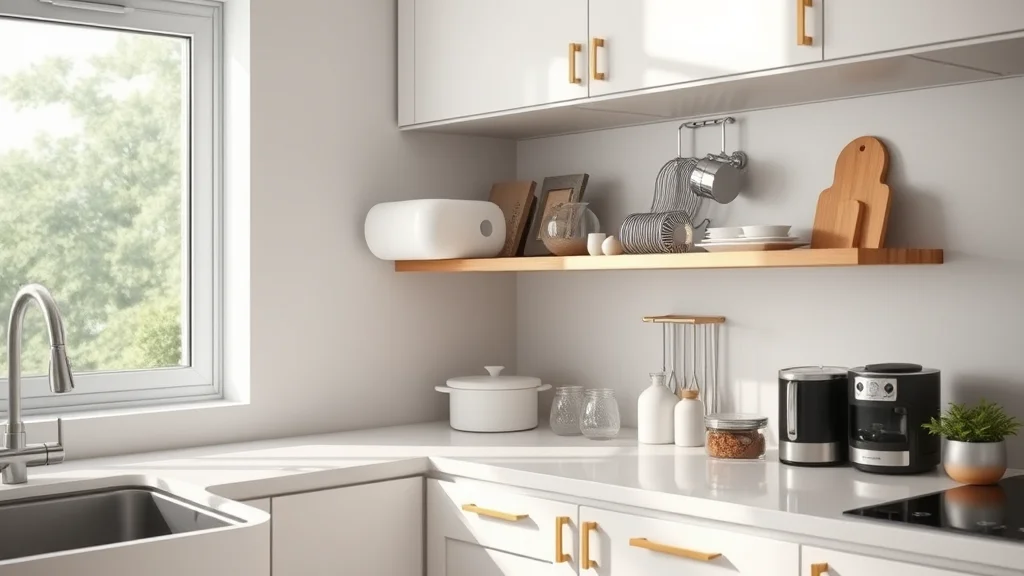
The kitchen, often considered the heart of the home, is a bustling hub where culinary creativity and family gatherings often take place. However, it’s also a place where clutter can accumulate quickly, making it essential to have efficient storage solutions like kitchen organizer racks. Whether you’re an avid cook with numerous kitchen tools or a family-oriented individual who needs quick access to snacks and food items, understanding how to select the right kitchen organizer racks can transform your cooking space into a more functional and enjoyable area. This guide aims to help you navigate through the myriad of options, providing detailed insights into features, styles, and benefits to help you make an informed decision.
Understanding Your Needs
Before delving into the types and styles of kitchen organizer racks available, it’s crucial to assess your specific needs. Ask yourself the following questions:
- How much space do you have available in your kitchen?
- What are the most common items you need organized? (e.g., spices, cookware, dry goods)
- Do you have a preferred material or aesthetic for your racks?
- Are you more concerned with aesthetic appeal or functionality?
By answering these questions, you can create a clearer picture of the type of kitchen organizer racks that will best suit your needs. This process can help you avoid unnecessary purchases and enable you to find solutions that fit seamlessly into your kitchen’s existing layout.
Different Types of Kitchen Organizer Racks
With countless variations available in the market, kitchen organizer racks come in multiple forms, each serving a different purpose. The two main types to consider are wall-mounted racks and freestanding racks.
- Wall-Mounted Racks: Ideal for kitchens with limited counter space. These racks can hold spices, utensils, or larger items like pots and pans without taking up any valuable countertop or floor space.
- Freestanding Racks: Perfect for those who have extra floor space. These racks can be moved and adjusted based on your evolving storage needs. They often provide multiple tiers of storage and can hold heavy or bulky kitchen items.
| Feature | Wall-Mounted Racks | Freestanding Racks |
|---|---|---|
| Space Requirement | Minimal, as it uses wall space | Requires floor space |
| Mobility | Fixed position | Can be moved easily |
| Storage Capacity | Limited by wall space | Varies, generally larger |
| Installation | Requires drilling, screws, and correct placement | Typically no installation needed |
| Weight Limit | Depends on wall strength and rack quality | Can generally support heavier items |
Materials Matter
Kitchen organizer racks are made from various materials, each with its pros and cons. Here’s what to consider:
- Wood: Aesthetic and warm, but can be susceptible to moisture. Ideal for dry goods and non-perishable items.
- Metal: Durable and strong, great for heavy cookware. May require anti-rust treatment.
- Plastic: Lightweight and easy to clean. Not as durable for heavy objects.
Style and Aesthetics
Choosing a kitchen organizer rack that complements your kitchen décor can enhance the overall ambiance of the room. Consider:
- Modern Kitchens: Sleek metal or glass racks may blend better.
- Rustic or Traditional Kitchens: Wooden racks often add a homely touch.
- Minimalist Designs: Clear or monochrome racks often enhance a clean look.
Installation Considerations
For wall-mounted options, consider the installation process:
- Ensure you have the necessary tools like a drill, screws, and a level.
- Identify the right wall space, preferably a load-bearing wall for heavier items.
- Follow the installation instructions meticulously to ensure safety and durability.
If you’re not confident in your DIY skills, consider hiring a professional.
Maximizing Space Efficiency
Optimize your kitchen space by identifying commonly wasted spaces such as under cabinets or pantry doors. You can install racks in these areas to maximize efficiency:
- Under Shelf Racks: Ideal for adding extra storage below existing shelves.
- Inside Cabinet Racks: Store small items or spices, keeping them within easy reach.
- Over Door Racks: Great for canned goods or cleaning supplies.
Choosing the Right Features
Some organizer racks come with additional features that cater to specific needs:
- Adjustable Shelves: Provides flexibility in storing items of varying heights.
- Integrated Hooks or Rods: Useful for hanging utensils or dishtowels.
- Extendable Racks: Perfect for adapting to changing storage needs.
Budget Considerations
Kitchen organizer racks come in a wide range of prices. While high-quality materials may cost more, they offer durability and longevity:
Check prices on Amazon
- Budget Options: Often made from plastic or coated metal, suitable for lighter items.
- Mid-range Options: Often offer a balance between durability and aesthetics.
- Premium Options: Made with high-quality materials such as stainless steel and hardwood, suitable for heavy-duty use.
Maintaining Kitchen Organizer Racks
Maintenance is key to extending the life of your organizer racks. Regular cleaning and upkeep are essential:
- Wipe down racks regularly to prevent dust and grime accumulation.
- For metal racks, apply anti-rust treatments periodically.
- Check for loose screws or damage and repair as necessary to avoid accidents.
Eco-Friendly Options
If you are environmentally conscious, consider eco-friendly materials like bamboo or recycled metal. These options not only reduce your carbon footprint but also add unique aesthetics to your kitchen.
Frequently Asked Questions
What are the most essential kitchen organizer racks to have?
Essential racks include spice racks, pot racks, and pantry organizers. They help you streamline basic operations and keep your kitchen tidy.
How do I install a wall-mounted rack safely?
Ensure you use the correct type of screws and anchors for your wall type (drywall, plaster, brick, etc.). A level and a stud finder can help you position it correctly.
Can I use a kitchen rack in a small space?
Yes, wall-mounted and over-the-door racks are ideal for small kitchens as they make use of vertical space without occupying much room.
Are wooden racks sturdy enough for heavy items?
High-quality wooden racks can hold heavy items, but it’s important to consider the rack’s design and the wood’s strength. Ensure it’s properly installed.
Do metal racks require any special care?
Metal racks may require periodic checks for rust and application of anti-rust treatments if they are in humid environments.
How can I match racks to my kitchen’s aesthetics?
Consider the style and color palette of your kitchen and choose racks that complement or enhance that design. Materials like wood, metal, or a specific color finish can be selected to match.
What is the lifespan of a typical kitchen organizer rack?
The lifespan depends on material and usage; metal racks can last many years, while cheaper plastic options need replacing sooner.
Can Over-Door Racks Support Heavy Items?
Over-door racks are usually designed for lighter items like spices or cleaning supplies. For heavier items, ensure it has a robust construction and check its weight-bearing capacity.
Final Thoughts
Choosing the right kitchen organizer rack is a recipe for creating a well-ordered and efficient kitchen environment. This can significantly enhance both the functionality and visual appeal of your cooking space. Consider factors like your kitchen size, the kinds of items you need to organize, and your aesthetic preferences as you make your choice. With numerous options available, there is a perfect kitchen organizer rack for every need and budget. Stay mindful of your space and style needs, and you’ll find a solution that will keep chaos at bay and maintain the sanctuary of your culinary haven.
