

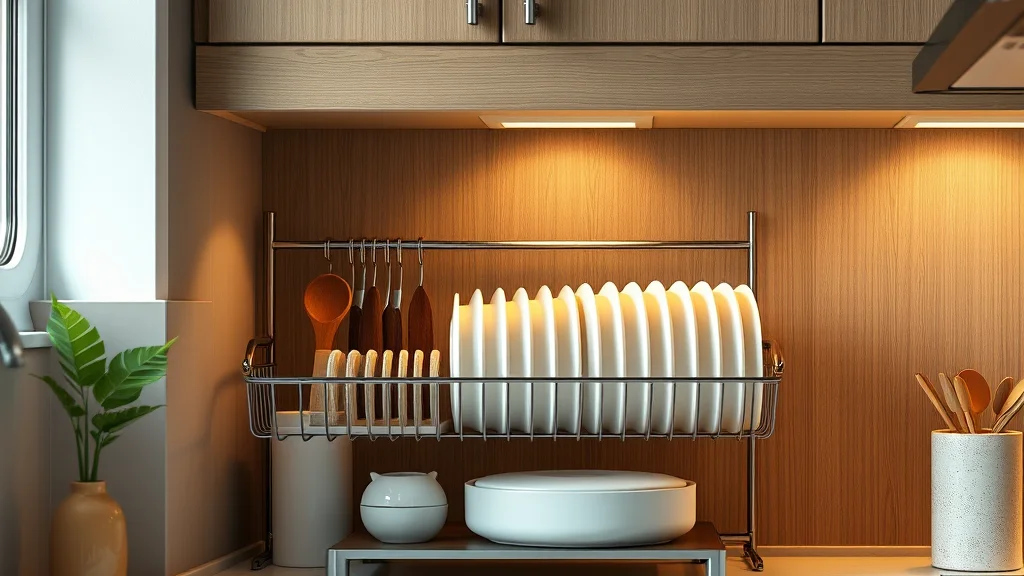
The kitchen is often referred to as the heart of the home, and maintaining an organized and efficient kitchen space is essential for seamless cooking and cleaning experiences. Central to this organization is how we store and manage our dishes, an element often overlooked until we find ourselves with an overflow of plates and bowls. Kitchen cabinet dish racks are pivotal installations for maximizing space and improving functionality. In this guide, we delve into everything you need to know to choose the right type of dish rack for your kitchen cabinets.
The Importance of a Dish Rack in Kitchen Cabinets
Dish racks are not just about storing dishes; they play a significant role in keeping your kitchen tidy. By providing a dedicated space for dishes, bowls, and other kitchen essentials, dish racks help to minimize clutter, ensure ease of access, and manage dish drainage efficiently. Integrated into kitchen cabinets, these racks can contribute to a more streamlined kitchen workflow and enhanced hygiene standards by allowing proper airflow and drainage, reducing water accumulation.
Types of Kitchen Cabinet Dish Racks
Choosing a dish rack involves understanding the different types available. The two main types are in-cabinet dish racks and pull-out dish racks. Each type has its distinct advantages catering to various space and functional needs in the kitchen.
| Feature | In-Cabinet Dish Rack | Pull-Out Dish Rack |
|---|---|---|
| Accessibility | Requires door opening | Ease of access with sliding mechanism |
| Installation | Simple, requires minimal tools | More complex; may require professional installation |
| Space Utilization | Occupies existing cabinet space | Optimizes underutilized areas |
| Ventilation | Limited air circulation | Better airflow with pull-out feature |
Materials Used in Dish Racks
Materials play a crucial role in the longevity and functionality of dish racks. Common materials used in manufacturing dish racks include:
- Stainless Steel: Known for its durability, resistance to rust, and modern aesthetic, making it a popular choice for many kitchens.
- Plastic: Offers versatility and is economic, ideal for lighter loads and spaces requiring flexibility.
- Bamboo: Eco-friendly and stylish, bamboo dish racks are great for achieving a rustic or natural kitchen look.
- Wood: Provides a robust structure but requires more maintenance to prevent water damage.
Choosing the Right Size for Your Kitchen
Efficacy of a dish rack highly depends on its size and fit within the kitchen layout. Consider the following factors when choosing the size:
- Cabinet dimensions: Measure your cabinet space accurately to ensure a snug fit.
- Dish load: Anticipate the number and size of dishes you typically use to avoid overcrowding.
- Expansion capacity: Some dish racks offer additional expandability to accommodate more dishware if needed.
Installation Tips for Kitchen Cabinet Dish Racks
Installing a dish rack might seem daunting, yet following some basic guidelines can simplify the process:
- Gather tools: Basic tools like drills, screws, and a measuring tape are essential.
- Follow instructions: Carefully read and follow the installation guide provided by the manufacturer.
- Leveling: Ensure the rack is level for proper drainage and to prevent dish slippage.
- Secure fitting: Double-check all screws and mounts to maintain stability and security of the dish rack.
Maintenance of Kitchen Cabinet Dish Racks
Maintaining your dish rack ensures its longevity and functionality. Key maintenance tasks include:
- Regular cleaning: Clean the rack periodically to prevent the buildup of grime and bacteria.
- Dry between uses: Ensure racks are dry between uses to prevent rust and mold development.
- Check for wear: Inspect occasionally for any signs of damage or wear and replace damaged parts promptly.
Benefits of Using a Kitchen Cabinet Dish Rack
The use of a dish rack offers numerous benefits, notably in terms of organization and hygiene:
- Space-saving: Maximizes existing space without requiring additional cabinetry.
- Efficiency: Streamlines kitchen tasks, making dishwashing and storage easier.
- Hygiene: Ensures dishes dry effectively, reducing the risk of bacterial growth.
Common Mistakes to Avoid
Avoid these typical mistakes to ensure you have an optimal dish rack setup:
- Overloading: Don’t stack too many dishes which can hinder drying and potentially cause breakage.
- Poor ventilation: Ensure proper air circulation by not overcrowding racks.
- Ignoring maintenance: Regular checks and cleaning are often overlooked, leading to avoidable issues.
Innovative Features to Consider
Modern dish racks come with various innovative features designed to enhance functionality:
- Adjustable prongs: Offers flexibility to accommodate different dish sizes and types.
- Removable trays: Facilitates easy cleaning and maintenance.
- Integrated utensil holders: Keep cutlery organized and within reach.
Cost Considerations
The investment in a dish rack varies considerably based on material, size, and features:
- Budget models: Typically made from plastic and have basic features.
- Mid-range options: Often constructed from stainless steel with added features like expander arms.
- Premium models: These feature luxury materials like tempered glass and advanced drying technologies.
Frequently Asked Questions
Can all dish racks fit into any kitchen cabinet?
No, it’s crucial to measure your cabinet precisely to ensure the dish rack will fit appropriately. Each kitchen layout varies, necessitating different sizing. Check prices on Amazon
What is the best material for a kitchen dish rack?
This depends on your needs; stainless steel is generally recommended for its durability, but bamboo and plastic are good alternatives depending on design preferences and budget.
How do I prevent rust on my metal dish rack?
Ensure that the rack stays dry between uses, and regularly apply a protective finish if available. Also, wipe spills immediately to prevent water accumulation.
Are dish racks suitable for small kitchens?
Yes, dish racks are ideal for maximizing limited space, especially models designed to fit within cabinets that help reduce visible clutter.
Can I install a dish rack myself?
Installation can often be handled as a DIY project with the right tools and instructions. However, professional installation is recommended for complicated setups like pull-out racks.
What weight can a dish rack typically hold?
This varies with model and material; consult the manufacturer’s specifications to avoid overloading and potential damage.
How often should I clean my dish rack?
To maintain hygiene, it’s advisable to clean your dish rack at least once a week, though higher frequency is recommended for busy kitchens.
Do dish racks come with a warranty?
Many manufacturers offer warranties that vary from a few months to multiple years, depending on the brand and model. Always check terms when purchasing.
Final Thoughts
Your choice of a kitchen cabinet dish rack impacts the organization, functionality, and aesthetics of your kitchen. By understanding the different types, materials, and features available, you can make an informed decision that meets your specific needs. Remember the importance of proper maintenance and installation to get the best use out of your dish rack. An intelligent purchase will not only streamline daily chores but also elevate your kitchen’s overall efficiency and look.
