
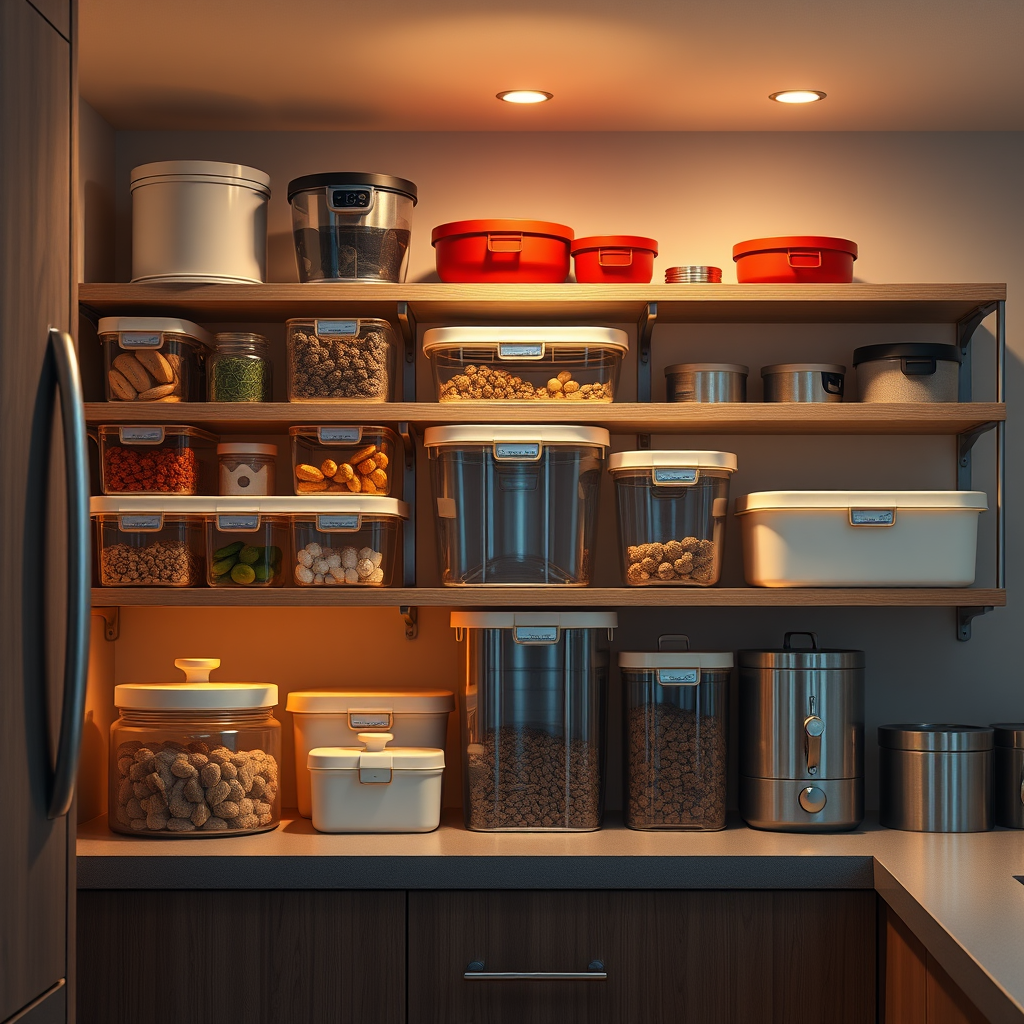
In today’s fast-paced world, maintaining a well-organized kitchen is essential. Not only does it enhance the overall aesthetic of the space, but it also improves functionality, making daily tasks quicker and easier. One of the key aspects of kitchen organization is effective food storage. Having the right kitchen storage containers can revolutionize how you manage your ingredients, leftovers, and snacks. With a multitude of options available, finding the perfect balance between practicality and style may seem daunting. This guide delves into the world of kitchen storage containers, offering valuable insights and tips on how to optimize your kitchen storage efficiently.
Understanding Kitchen Storage Containers
Kitchen storage containers come in a plethora of shapes, sizes, and materials. Whether you’re using them for dry goods like pasta and rice or for preserving fresh ingredients, the right container can make a huge difference. Storage containers not only prolong the life of your food but also help in maintaining an organized and clutter-free environment. By understanding the various types of storage containers available, you can tailor your choices to meet specific storage needs in your kitchen.
Types of Kitchen Storage Containers
When it comes to selecting kitchen storage containers, the decision largely comes down to two primary categories: plastic and glass. Each type has its benefits and potential drawbacks, but both serve the purpose of keeping your kitchen organized efficiently.
| Container Type | Pros | Cons |
|---|---|---|
| Plastic |
|
|
| Glass |
|
|
Choosing the Right Size and Shape
Finding the right size and shape for kitchen storage containers is crucial in optimizing your space and ensuring maximum usability. Consider everything from stacking capabilities to the actual size of your pantry or refrigerator shelves. Containers should fit easily into designated spaces without wasting space. Opt for stackable designs if storage space is limited, and ensure that the shapes of your containers allow for versatile usage.
Material Matters: Plastic vs. Glass
The debate between plastic and glass containers often arises based on personal preference and specific kitchen needs. Plastic containers offer flexibility and are ideal for dry goods. However, glass containers boast durability and are better suited for preserving liquids and food that require reheating. Understanding the distinct benefits of each can help you streamline your storage solutions and maintain an organized kitchen.
Innovative Shapes and Designs: More than Just Boxes
With advances in design, modern kitchen storage containers now come in innovative shapes and configurations. Rounded containers, square storage boxes, and eco-friendly options help elevate the practical utility of a storage system. Newer designs also include built-in labels, adjustable segments, and ergonomic lids, making these containers more intuitive and versatile.
Airtight Containers: Freshness and Longevity
One of the most important aspects of food storage is maintaining the freshness of the stored items. Airtight containers provide an effective solution by restricting air passage, thereby prolonging food shelf life. Whether storing pantry staples such as flour and sugar or organizing turmeric and spices, airtight options ensure that ingredients remain fresh longer, significantly reducing food waste.
Eco-Friendly Storage Solutions
As environmental consciousness continues to rise, eco-friendly food containers have gained significant popularity. Materials like bamboo, stainless steel, and glass are being adopted to provide sustainable storage options. These eco-friendly containers are both functional and beneficial for the environment, allowing you to minimize plastic waste while keeping your kitchen organized.
Specialty Containers for Specific Needs
Certain foods require specialized storage solutions to maintain their freshness. Consider investing in specific storage containers designed for produce, nuts, or dairy. Using the right kind of container helps preserve the flavor and texture of these items longer, allowing you to enjoy your food at its best.
Labeling and Visibility
An organized kitchen relies on clarity and ease of access. Containers with built-in labeling facilities or clear windows allow for better visibility and identification of contents. This not only adds to the aesthetic appeal of the kitchen but also makes meal prep more straightforward and efficient by saving time spent searching for ingredients. Check prices on Amazon
Maintaining and Cleaning Containers
Proper maintenance and regular cleaning of kitchen storage containers ensure the longevity of your investment. Depending on the material, specific cleaning agents may be more suitable to extend your containers’ life. For example, glass containers can be safely cleaned with vinegar, while plastic containers may require gentle washing solutions to prevent discoloration and odor retention.
Frequently Asked Questions
How should I store my containers when they are not in use?
It’s best to nest containers within each other and stack them with the lids in a separate stack or organizer to save space.
Can I use plastic containers for microwaving food?
Always check if the plastic container is labeled microwave-safe. If not explicitly mentioned, it’s safer to avoid microwaving as certain plastics may release harmful chemicals when heated.
What is the lifespan of glass containers?
With proper care, glass containers can last indefinitely. However, they need to be handled carefully to avoid breakage.
Should I invest in containers with labels?
Yes, labeled containers significantly improve organization and make it easier to locate specific items quickly.
How do I prevent my containers from retaining food odors?
Regular and thorough cleaning is essential. Baking soda or vinegar can help eliminate lingering odors.
What is the best way to clean glass containers?
Glass containers are durable and can be cleaned with regular dish soap or eco-friendly agents like baking soda and vinegar.
Are airtight containers worth the investment?
Airtight containers are highly beneficial in prolonging the life of food items and minimizing wastage, making them a worthy investment.
Can I store hot food in plastic containers?
Storing hot food directly in plastic containers is not recommended as it may warp the material and can potentially leach chemicals into the food.
Final Thoughts
Investing in the right kitchen storage containers can significantly enhance kitchen organization and boost efficiency. By understanding the different types of storage options available and tailoring them to your needs, you can transform your kitchen into a well-organized, functional space. Consider your lifestyle needs, material preferences, and storage requirements to create a system that suits your routine and sustains an environmentally conscious approach. With the right choices, maintaining an organized kitchen becomes less of a chore and more of a delight.
