

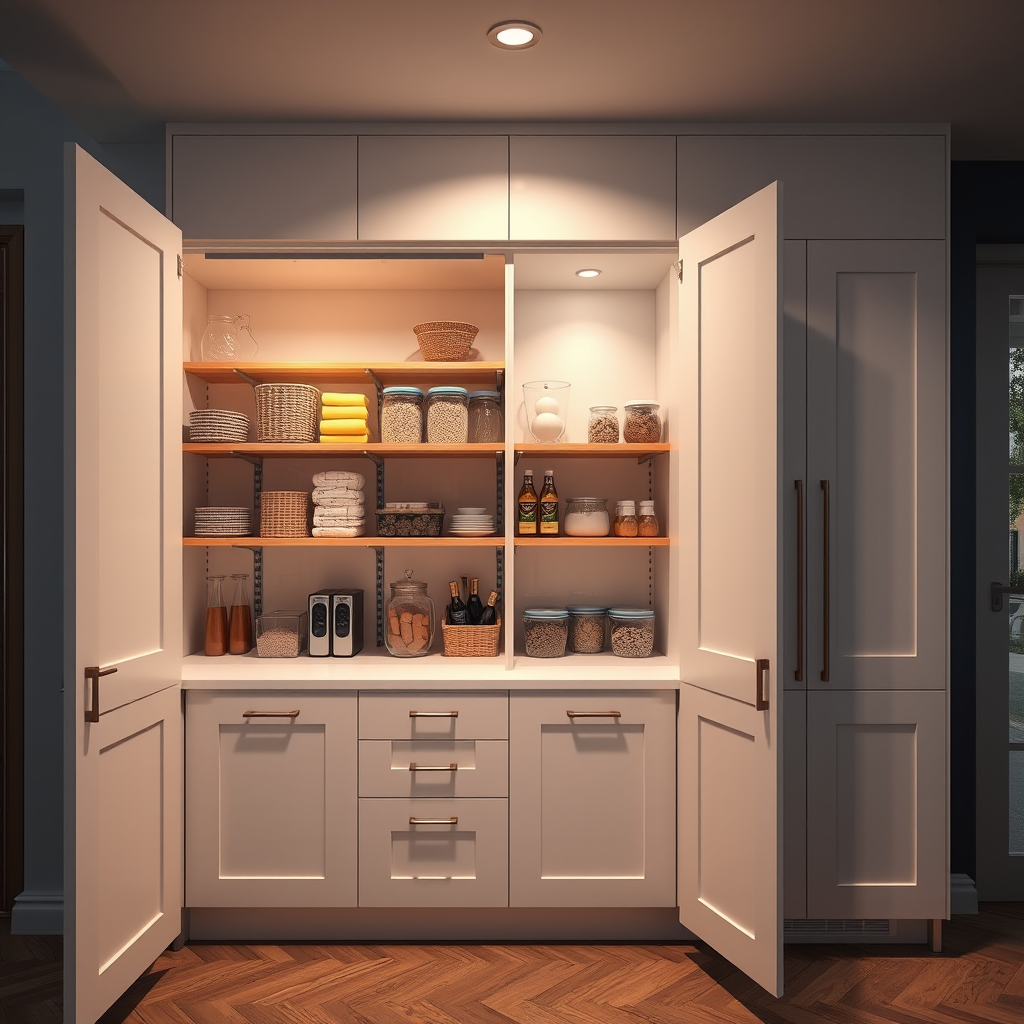
The kitchen pantry storage cabinet is often the unsung hero of our kitchens. It’s where we keep our essentials and occasional indulgences, a treasure trove of ingredients and supplies ready to inspire culinary creativity. Yet, organizing this space effectively can present a challenge. A disordered pantry can lead to overbuying, underusing, and sometimes even wasting food. Whether you have a walk-in pantry or a compact kitchen with a standalone storage cabinet, making the most of this space is crucial. In this guide, we’ll explore strategies and solutions to optimize your kitchen pantry storage cabinet.
Understanding Pantry Storage Needs
Before jumping into organizing your pantry, it’s important to understand what your storage needs are. Not every kitchen requires the same type of pantry setup. Consider the following factors when evaluating your storage needs:
- Space Available: Measure the dimensions of your space to understand your capacity.
- Type of Pantry: Identify whether you have a walk-in pantry, reach-in pantry, or a cabinet pantry.
- Inventory: Assess the types and quantities of items you usually stock.
Types of Kitchen Pantry Storage Cabinets
There are several types of pantry storage cabinets, each catering to different needs and kitchen designs. Two popular options are traditional pantry cabinets and pull-out pantry shelves.
- Traditional Pantry Cabinets: These are standalone pieces or built-in units with fixed shelves, often reaching ceiling height.
- Pull-out Pantry Shelves: These are integrated into existing cabinets for a more streamlined look and can be customized for various shelf heights.
| Feature | Traditional Pantry Cabinets | Pull-out Pantry Shelves |
|---|---|---|
| Space Efficiency | Lower | Higher |
| Accessibility | Good | Excellent |
| Customization | Limited | Highly Customizable |
| Cost | Moderate | Higher |
Planning Your Pantry Layout
Once you’ve settled on your pantry type, planning the layout is crucial for maximizing efficiency. Strategically place items based on usage frequency and height requirements:
- Everyday Essentials: Place items within easy reach, such as snacks, cereals, and condiments.
- Infrequent Items: Store items like holiday baking supplies in harder-to-reach areas.
- Vertical Space: Utilize vertical storage methods for taller pantry cabinets to increase capacity.
Choosing Pantry Storage Solutions
Invest in storage solutions that fit your pantry’s style and functionality. Bins, baskets, and clear containers can offer great organization benefits:
- Bins and Baskets: Ideal for grouping similar items like snacks or baking supplies.
- Clear Containers: Perfect for preserving the freshness of dry goods while easily identifying contents.
- Labels: Use labels to ensure everyone in the household knows where items go.
Best Practices for Pantry Organization
Ensuring a well-organized pantry involves incorporating certain best practices:
- FIFO Method: Arrange products so that the first items in are the first to be used, minimizing waste.
- Regular Cleanouts: Conducting periodic cleanouts prevents expired items and keeps pantry space optimized.
- Designated Spaces: Assign specific zones for different categories, such as baking, snacks, and canned goods.
The Role of Lighting in Your Pantry
Good lighting within your pantry can make a significant difference in both organization and convenience:
- LED Strip Lights: These are energy-efficient and highlight dark corners and shelves.
- Motion Sensor Lights: Ideal for walk-in pantries, they automatically illuminate when you enter.
- Natural Lighting: If possible, utilize natural light to brighten your pantry space.
Creative Solutions for Small Pantries
Small kitchens can still have a highly effective pantry by utilizing some creative strategies:
- Door Racks: Utilize the inside of pantry doors for additional storage with spice racks or shelving.
- Slim Shelving: Install narrow shelving solutions in unused nooks.
- Overhead Storage: Not just for storing the slow cooker, overhead space can be used for lesser-used items.
Integrating Technology in Pantry Organization
Modern technology can bring new efficiencies to your pantry organization efforts:
- Smart Sensors: Track usage patterns and item levels, notifying you when supplies run low.
- Inventory Apps: Use smartphone apps to manage and digitize your pantry inventory.
- Digital Labels: Update easily with changes, reducing the hassle of manual relabeling.
The Aesthetic Aspect: Designing a Beautiful Pantry
A pantry should not only be functional but also visually pleasing:
- Color Coordination: Match storage containers and baskets to create a cohesive look.
- Decorative Elements: Introduce design touches like patterned wallpaper or decorative baskets.
- Open Shelving: Display bulkier items in appealing arrangements on open shelves.
Sustainability in Pantry Organization
There is a rising trend to incorporate sustainable practices in kitchen organization, including the pantry:
- Reusable Containers: Opt for glass or BPA-free plastic containers to preserve food and reduce waste.
- Recycling Systems: Implement a recycling strategy within your pantry setup.
- Bulk Buying: Reduce packaging waste by buying in bulk and storing items in reusable containers.
Pantry Maintenance for Longevity
Keeping your pantry organized requires ongoing maintenance efforts:
- Regular Inventory Checks: Conducting routine checks ensures you are aware of stock levels.
- Refill Gaps Promptly: Address low-stock items before running out to maintain a smooth-running kitchen.
- Stock Rotation: Ensure older items are placed at the front to avoid waste.
Frequently Asked Questions
How do I maximize space in a small pantry?
Use vertical storage, take advantage of door racks, and opt for stackable storage containers to make the most of your space. Check prices on Amazon
What should not be stored in the pantry?
Avoid storing certain items like potatoes, onions, and garlic together, as they cause each other to spoil faster.
How often should I reorganize my pantry?
Consider reorganizing or decluttering your pantry every three to four months.
Can I use a freestanding cabinet as a pantry?
Yes, a freestanding cabinet can serve as a pantry storage solution, offering flexibility and portability.
What’s the best way to store spices?
Use spice racks, either in a drawer or mounted on doors, for easy access and visibility.
How important is labeling?
Labeling is crucial for maintaining order and ensuring all household members return items to their correct places.
How can I prevent pests in my pantry?
Store all dry goods in airtight containers and maintain a clean and orderly pantry to deter pests.
Are glass containers better than plastic?
Glass containers are durable and environmentally friendly, but high-quality, BPA-free plastic containers are also a practical choice.
Final Thoughts
An efficiently organized kitchen pantry storage cabinet not only elevates your cooking experience but also significantly reduces waste and space utilization issues. By selecting the right pantry setup and investing in strategic organization solutions, you can transform your pantry into a functional, aesthetically pleasing, and sustainable space. With the tips and strategies outlined in this guide, you’ll be well on your way to creating a pantry that not only meets your needs but also enriches your home environment.
