

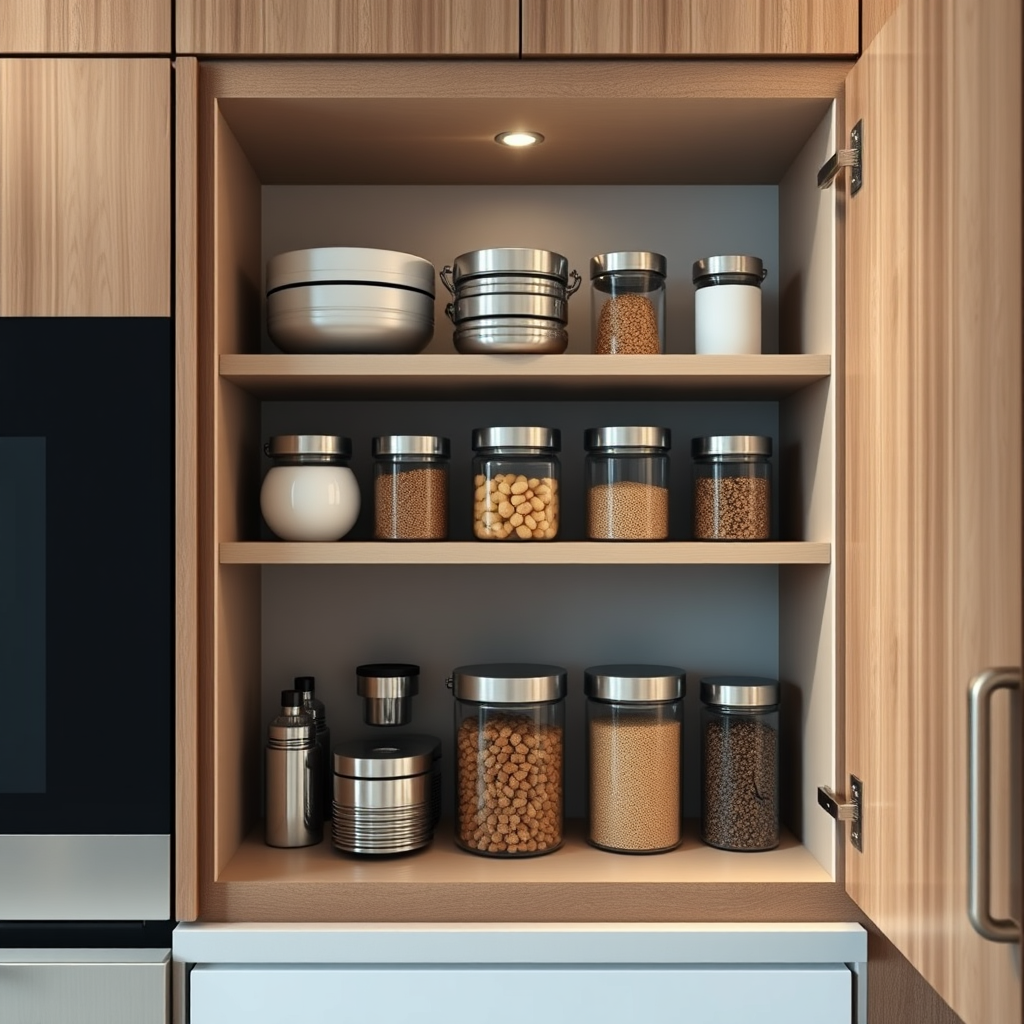
In today’s fast-paced world, clutter can quickly become one of life’s greatest frustrations. The kitchen, often the heart of the home, is no exception. Many homeowners find themselves overwhelmed by crowded cabinets and disorganized shelves, which can make cooking and even simple meal preparation cumbersome and inefficient. Thankfully, a well-organized kitchen doesn’t require remodeling; sometimes, all it takes is the right approach to organization. By implementing a zone system within your kitchen cabinets and utilizing mini storage shelves effectively, you can transform the chaos into a seamless culinary oasis. This article will walk you through the steps to achieve an organized kitchen with minimal effort.
Understanding the Zone System
Before diving into the specifics of kitchen cabinet organization, it’s important to grasp the concept of the zone system. Originating from commercial kitchens, this method involves dividing your kitchen into distinct areas or zones that are dedicated to different tasks or types of items. By clustering similar items together, you can minimize the time spent searching for necessary tools and ingredients, ultimately creating a more efficient cooking environment.
Assessing Your Kitchen Space
The first step in organizing your cabinets is assessing the available space. Take inventory of what you currently have, consider how frequently you use each item, and be realistic about the space you need. Use this opportunity to declutter by getting rid of unused or expired items. Group similar items together and estimate how much storage space they would require. This initial assessment provides a clear understanding of how to best utilize your kitchen space.
Types of Kitchen Shelves
When organizing your kitchen cabinets, selecting the right type of shelves can have a significant impact. There are two main types of mini storage shelves: adjustable and fixed shelves. Each type has its own advantages and limitations, making it essential to choose based on your specific needs.
| Type | Advantages | Considerations |
|---|---|---|
| Adjustable Shelves |
|
|
| Fixed Shelves |
|
|
Implementing Vertical Storage Solutions
One of the most effective ways to maximize cabinet space is by utilizing vertical storage solutions. Consider incorporating tiered shelves or using stackable containers to create additional levels within your cabinets. This approach not only provides easy access to items at the back of the shelf but also improves visibility and organization. Vertical dividers can be used to store cutting boards, baking sheets, and other flat kitchen items efficiently.
The Role of Mini Storage Shelves
Mini storage shelves play a crucial role in organizing kitchen cabinets, especially when space is limited. These shelves can be easily inserted into cabinets to create more compartments for storing kitchen essentials. They are particularly useful for keeping small items such as spices, condiments, and utensils organized and easily accessible. Depending on your needs, choose from wire mesh, wood, or acrylic shelves for durability and aesthetic appeal.
Creating a Functional Pantry Zone
A well-organized pantry zone is pivotal to maintaining a systematic kitchen. Begin by designating a specific cabinet or shelf area for non-perishable food items. Use clear containers to store dried goods like pasta, rice, and cereals so that you can quickly assess your inventory. Label each container clearly to avoid confusion. Allocate a separate shelf or section for canned goods, ensuring that the most frequently accessed items are placed at eye level.
Designating a Cooking Zone
The cooking zone should be strategically located close to your stove or oven for maximum convenience. Store pots, pans, and cooking utensils in nearby cabinets. Consider using hooks or magnetic strips for hanging utensils on the inner side of cabinet doors or nearby walls. Keep frequently used oils, spices, and seasonings in this zone, preferably on a mini shelf for easy reach and organization.
Establishing a Cleaning Zone
The cleaning zone serves as a storage space for detergents, sponges, and kitchen towels. Usually located under the sink, use baskets or caddies to organize cleaning supplies. Implement pull-out shelves or sliding trays for better visibility and accessibility. Consider using small bins for recycling and waste segregation to maintain a tidy and eco-friendly kitchen environment.
Creating an Appliance Storage Zone
The appliance zone is dedicated to storing small kitchen appliances that are not used daily. These items might include blenders, toasters, and mixers. Assign a lower or lesser-used cabinet, ensuring they are within reach yet out of your everyday cooking path. Cut down on visible countertop clutter by keeping these appliances out of sight until needed, allowing for a streamlined and clean look.
Organizing and Storing Dishware
Dishware should have its own dedicated zone within your kitchen cabinets. Use racks or dividers to store plates vertically, minimizing the risk of chips or scratches. Cups and glasses can be stored on shelves or dedicated racks inside cabinet doors. For a decorative touch, consider displaying attractive dishes or glasses on open shelving, making them both functional and decorative elements in your kitchen. Check prices on Amazon
Utilizing Labels and Clear Containers
Labels play an often underrated role in kitchen organization. They help in quickly identifying items and their designated storage spots, reducing confusion and misplaced items. Use clear containers wherever possible, as they allow you to see the contents immediately, preventing unnecessary rummaging through the cabinets. Make sure your labels are waterproof or laminated to withstand the kitchen environment.
Smart Storage for Small Kitchens
Small kitchens present their own set of challenges, making intelligent storage solutions imperative. Incorporate corner shelves and pull-out organizers to utilize all available space effectively. Invest in multi-functional furniture like tables with built-in storage or portable islands that offer additional work surfaces as well as storage capabilities. Wall-mounted racks and ceiling-hung pot racks can free up necessary cabinet space.
Frequently Asked Questions
What is the zone method in kitchen organization?
The zone method involves dividing your kitchen into specific areas dedicated to particular tasks or items, allowing for a structured and efficient layout.
How can I maximize storage in small kitchen cabinets?
Maximize small cabinet space by utilizing vertical storage, installing pull-out shelves, using mini storage solutions, and decluttering regularly.
What type of shelves are best for adaptability?
Adjustable shelves are the best option for adaptability because they allow you to configure storage space to accommodate items of varying sizes.
How do I maintain an organized kitchen?
Consistency is key; regularly reorganize your kitchen, and declutter items that are no longer needed or used. Update your storage solutions as your needs change.
What role do labels play in kitchen organization?
Labels are essential for easy identification of items and help in maintaining the designated space for each item, reducing disarray and misplacement.
Are there any temporary solutions for renters?
Yes, removable hooks, adhesive shelves, and over-the-door organizers are perfect for renters, providing solutions without permanent alterations.
Can I still have a stylish kitchen with open shelving?
Absolutely! By carefully curating the items displayed and ensuring uniformity in colors and materials, open shelving can enhance both functionality and style.
What are some quick daily habits to maintain an organized kitchen?
Establish the habit of cleaning up immediately after cooking, returning items to their designated zones, and regularly checking for expired pantry items.
Final Thoughts
Organizing your kitchen using a zone system and the right mix of storage solutions can transform your culinary space without requiring costly renovations. By taking a detailed approach and leveraging tools like mini storage shelves and smart storage techniques, you can enjoy a kitchen that’s both functional and visually appealing. Whether large or small, any kitchen can benefit from being well-organized, making daily meal preparation a joy rather than a chore.
