

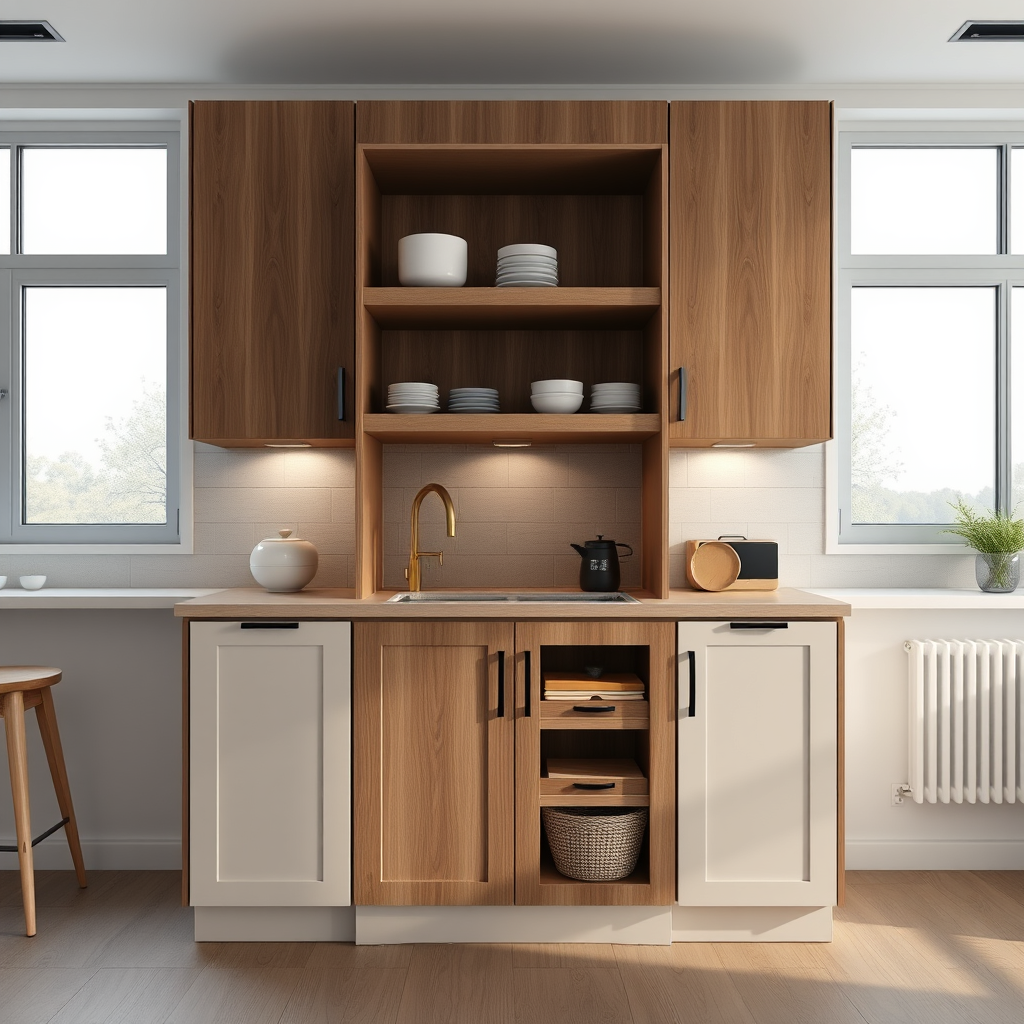
The kitchen is often referred to as the heart of the home. It’s not just a place for cooking meals; it’s where families gather and stories are shared. But as the central hub for daily activities, it’s easy for the kitchen to become cluttered and disorganized. This is where a well-chosen free-standing storage cabinet can make a significant difference. These cabinets offer a versatile and stylish solution to kitchen storage woes, freeing up essential space and enhancing the functionality of your kitchen. In this article, we will explore various options for free-standing storage cabinets available for kitchen use, the benefits they offer, and how you can choose the right one for your needs.
Understanding Free-standing Storage Cabinets
Free-standing storage cabinets are standalone units that can be placed anywhere in your kitchen. Unlike built-in cabinetry, these cabinets don’t require installation, making them an ideal option for renters or anyone looking to avoid remodeling. They come in a variety of sizes, materials, and styles to suit different kitchen needs.
- Versatility: These cabinets can fit into any corner of your kitchen, accommodating your space constraints and personal style.
- Mobility: Unlike traditional built-in cabinets, free-standing units can be moved, allowing you to reconfigure your kitchen layout whenever desired.
- Affordability: As they don’t need installation, free-standing cabinets usually come at a lower price point compared to custom-built options.
Identifying Your Kitchen Storage Needs
Before purchasing a free-standing storage cabinet, it’s crucial to assess your storage requirements. Consider the types of items you plan to store, such as pots and pans, dry goods, or small appliances. Identify problematic areas in your kitchen, like cluttered countertops or overflowing drawers, which could benefit from extra storage space.
- Type and Size of Items: Assess the types of items that require storage. For example, bulky appliances may need larger shelves or compartments.
- Available Space: Measure the available space in your kitchen to ensure the cabinet will fit without disrupting walkways or workflow.
- Style & Aesthetics: Consider the existing decor and choose a cabinet that complements the overall look of your kitchen.
Types of Free-standing Storage Cabinets
There are several types of free-standing storage cabinets that cater to different needs. Here, we’ll discuss two main types: pantry-style cabinets and kitchen islands. Each offers unique advantages and can serve multiple purposes within a kitchen setting.
| Type | Features | Ideal For |
|---|---|---|
| Pantry-Style Cabinets | Multi-shelved units, ideal for storing dry goods, utensils, and small appliances. | Small to medium kitchens needing vertical storage. |
| Kitchen Islands | Provides both storage and additional countertop space. Often includes drawers and shelves. | Large kitchens requiring central storage and workspaces. |
Features to Look for in a Free-standing Storage Cabinet
When selecting a free-standing storage cabinet, quality and functionality should be at the top of your checklist. Look for the following features to ensure your cabinet meets your expectations and enhances your kitchen’s efficiency:
- Durable Material: Choose cabinets made of high-quality materials such as solid wood or stainless steel that can withstand kitchen environments.
- Adjustable Shelves: Shelving that can be customized in height allows you to store items of various sizes more effectively.
- Secure Doors: Look for doors that close securely to protect the contents from dust and pests.
- Stylish Finish: Whether you prefer a modern, rustic, or traditional look, choose a cabinet with a finish that complements your kitchen.
The Benefits of Using Free-standing Kitchen Cabinets
There are numerous advantages to incorporating free-standing cabinetry in your kitchen. Here are a few benefits that make them a popular choice:
- Enhanced Organization: An organized kitchen is more efficient. Free-standing cabinets allow you to arrange items in a logical order, making them easy to find and access.
- Additional Storage Space: They provide extra space without opting for complete kitchen renovations, which can be costly and time-consuming.
- Design Flexibility: Because they are not fixed, these cabinets can be moved and adjusted as your storage needs change over time.
Choosing the Right Style for Your Kitchen
Free-standing storage cabinets are available in a myriad of styles, ranging from contemporary to rustic. Selecting the right style is essential for creating a cohesive kitchen.
- Modern: Sleek designs with clean lines, often featuring metallic touches and minimalist hardware.
- Traditional: Features ornate designs with wood finishes and elaborate hardware for a classic look.
- Rustic: Emphasizes natural materials with a faded or unfinished look, bringing warmth and character to the kitchen.
Where to Place Your Free-standing Storage Cabinet
Placement is key to maximizing the use of your new storage unit. Consider different areas in your kitchen where a cabinet can integrate seamlessly without hindering movement or access.
- Against an Unused Wall: Utilize spaces that might otherwise remain unoccupied, such as walls or smaller nooks.
- Near the Cooking Area: Place cabinets near the stove or preparation areas to ensure essential items are within reach.
- Next to the Dining Area: Park a stylish cabinet near your dining table to store condiments, napkins, or extra dishes within easy access during meals.
DIY Customizations for Free-standing Cabinets
One of the great advantages of free-standing cabinets is that they offer opportunities for personalization. A few easy-to-do customizations can enhance functionality and aesthetic appeal:
- Add Castors: Attach wheels to the bottom of the cabinet for easy mobility, especially if you frequently rearrange your kitchen area.
- Paint or Stain: Change the color of your cabinet to either match or contrast with your kitchen theme.
- Install Hooks: Install hooks on the sides for hanging utensils or dish towels.
Maintaining Your Free-standing Cabinet
Once you’ve added a free-standing cabinet to your kitchen, maintaining it becomes an essential part of ensuring longevity and performance. Set a routine to keep it looking and functioning as well as the day you bought it. Check prices on Amazon
- Regular Cleaning: Wipe surfaces with a damp cloth and mild detergent to prevent buildup of grime and grease.
- Inspect Adjustable Parts: Shelves and hinges that get frequent usage should be checked regularly to ensure they remain functional.
- Avoid Overloading: Do not overload shelves to avoid damaging the cabinet structure or causing safety hazards.
Environmental Impact and Sustainability
When shopping for a free-standing cabinet, consider units constructed of eco-friendly materials or those built using sustainable practices. This ensures your choice contributes positively to the environment.
- Recycled Materials: Seek out cabinets made from recycled wood or plastic materials.
- Sustainable Manufacturing: Choose manufacturers that follow eco-friendly practices like using non-toxic finishes and reducing carbon footprints.
- Longevity over Trendy: Opt for styles and materials that will stand the test of time rather than following fleeting design trends.
Frequently Asked Questions
What is the average cost of a free-standing storage cabinet for a kitchen?
The cost can vary widely based on materials, size, and brand, typically ranging from $50 to $500 or more for designer options.
Can free-standing cabinets be used in rental homes?
Yes, they are particularly suited for rental properties as they don’t require installation and can be easily moved.
How do I choose the right size cabinet for my kitchen?
Measure your available space first, considering both width and height, then choose a cabinet that fits comfortably within that area without impeding movement.
Do free-standing kitchen cabinets require assembly?
Many models do come flat-packed and will require some level of assembly. Check with the retailer for specifics on each model.
Can I customize the interior shelving of a free-standing cabinet?
Many cabinets come with adjustable shelving, and some models even offer additional inserts for further customization.
Are there specific materials that are better for kitchen environments?
Water-resistant and durable materials like stainless steel or high-quality laminate are recommended for kitchen settings.
What is the weight capacity of these cabinets?
Weight capacity can vary by model; generally, shelves can hold between 20 to 50 pounds. Always refer to the manufacturer’s specifications.
How can I make my free-standing cabinet childproof?
Add child-safe locks to doors and consider securing the unit to the wall if the cabinet is tall or top-heavy to prevent tipping.
Final Thoughts
Free-standing storage cabinets offer a flexible and practical solution for enhancing your kitchen’s organization and efficiency. From understanding your unique storage needs to choosing the right style and features, selecting the perfect cabinet can transform the functionality and overall aesthetic of your kitchen. With the added versatility to move and adapt as needed, free-standing cabinets represent an excellent investment for any household. Whether you’re accommodating small appliances, pantry items, or additional cookware, these standalone wonders are crafted to address every clutter-related concern, making them an invaluable addition to modern kitchen spaces.
