

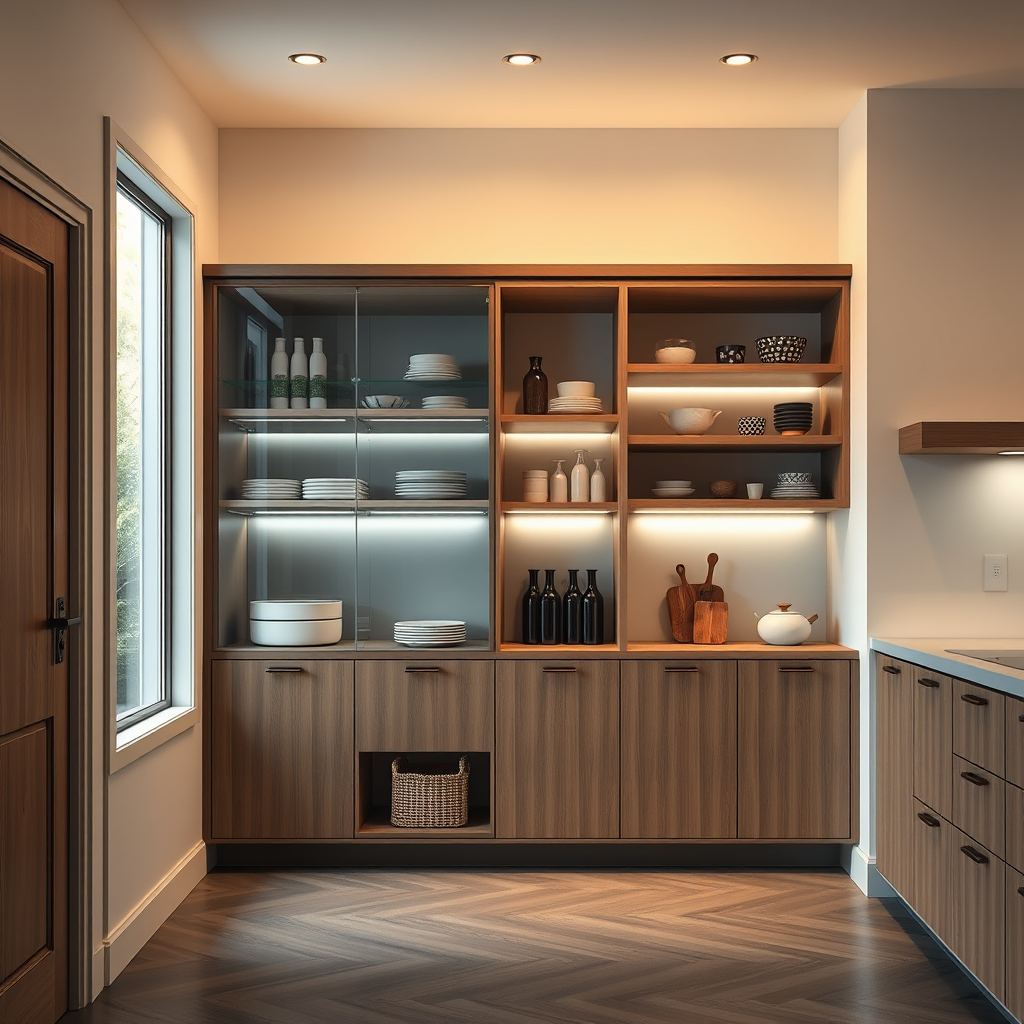
In the modern kitchen landscape, organization is a key component for efficiency and functionality. Among the plethora of solutions available today, the freestanding kitchen storage cabinet stands out as a versatile, practical option for maximizing space without a major overhaul. Offering flexibility and additional storage, these cabinets can transform a cluttered kitchen into a well-organized and aesthetically pleasing environment. Whether you have limited cabinetry, are looking to store specific items separately, or simply need more space, a freestanding cabinet can be the ideal addition. This article aims to delve into the different aspects of freestanding kitchen storage cabinets, providing you with crucial information to make an informed decision, ensuring a quick and effective setup without the need for a complete kitchen remodel.
The Need for Additional Kitchen Storage
Modern kitchens often serve as multifunctional spaces, not just limited to cooking but also serving as dining areas and family meeting points. As such, having adequate storage is paramount. The built-in cabinets that come with most kitchens can quickly become overcrowded, leading to disorganization. Additional storage solutions, like freestanding cabinets, provide a way to alleviate this issue, offering sections dedicated to various kitchen essentials. Whether you are a culinary enthusiast with extensive toolsets or a family looking for space to store bulk food purchases, the need for additional space is common across households.
Types of Freestanding Kitchen Storage Cabinets
Freestanding kitchen storage cabinets come in various designs to meet different needs and styles. The two primary types are utility cabinets and pantry cabinets.
- Utility Cabinets: These cabinets are designed for storing heavier items. They typically come with adjustable shelves, open storage spaces, and sometimes even wheels for mobility, making them perfect for storing pots, pans, and kitchen appliances.
- Pantry Cabinets: These are taller and are optimized for dry food storage. They offer multiple shelves and sometimes even built-in baskets and racks for optimal organization of food items, cans, jars, and more.
Benefits of Freestanding Kitchen Storage Cabinets
Freestanding kitchen storage cabinets offer several advantages over traditional built-in cabinetry. The benefits include:
- Flexibility: Unlike fixed cabinets, freestanding units can be moved and repositioned to meet changing needs. This makes them particularly useful in evolving kitchen spaces or for renters unable to make permanent changes.
- Variety and Style: Available in numerous finishes and styles, these cabinets can match any kitchen decor, serving as both a functional piece and a decorative one.
- Increased Storage Space: By adding additional storage solutions, these cabinets can take a load off your existing cabinetry, increasing overall storage capacity.
A Quick Comparison: Utility vs. Pantry Cabinets
| Features | Utility Cabinets | Pantry Cabinets |
|---|---|---|
| Primary Use | Storing kitchen tools, appliances | Storing food, canned goods |
| Shelves | Adjustable shelves | Fixed and adjustable shelves |
| Mobility | Often with wheels | Stationary, usually fixed in one spot |
| Additional Features | Open storage options | Built-in baskets |
Choosing the Right Freestanding Cabinet
Selecting the appropriate freestanding kitchen storage cabinet involves assessing your specific needs and kitchen layout. Consider the following:
- Space Availability: Measure the space where the cabinet will be placed to ensure it fits without obstructing walkways or kitchen functionality.
- Storage Needs: Define what you intend to store. Bulkier items might require wider utility cabinets, while pantry items may be better suited to narrower, taller pantry cabinets.
- Style Preferences: Choose a style and finish that complements your existing kitchen decor and enhances the room’s overall appearance.
Installation and Setup
Setting up a freestanding kitchen storage cabinet is typically straightforward, often not requiring specialized tools or a lengthy installation process. Many cabinets come with simple assembly instructions and can be put together with basic tools like screwdrivers. It’s important to:
- Ensure the surface is level to prevent tipping.
- Secure tall cabinets to the wall if necessary to prevent accidents, especially in homes with children.
- Follow the manufacturer’s instructions for assembly to avoid any damage.
Maintenance and Care Tips
Maintaining your freestanding kitchen storage cabinet is key to prolonging its lifespan and keeping your kitchen organized. Consider these tips:
- Regular Cleaning: Wipe down surfaces weekly with a damp cloth to remove dust and spills.
- Material Specific Care: Use appropriate cleaning agents for the cabinet’s material, such as wood polish for wooden surfaces.
- Organizational Audits: Regularly go through stored items to discard expired food or unused items that are taking up space.
Customizing Your Freestanding Cabinet
Customization can make your freestanding cabinet even more functional for your specific use. Consider the use of:
- Organizers: Inserts, racks, and baskets can help organize smaller items and maximize space.
- Labels: Labeling shelves or bins keeps everything in its designated spot, promoting a tidy environment.
- Decorative Accessories: Add flair and personality with decorative knobs or paint finishes to enhance the cabinet’s aesthetic appeal.
Accessorizing Your Storage Cabinet
Accessories can further enhance the functionality and aesthetic appeal of your cabinet. Consider options like:
- Under-shelf baskets for extra storage space.
- Door-mounted spice racks for easy access to frequently used herbs.
- Lighting within the cabinet to illuminate its contents, particularly helpful in dimly lit kitchens.
Cost Considerations and Budgeting
The cost of freestanding kitchen storage cabinets can vary widely depending on material, size, and design. Budgeting wisely involves evaluating:
- Material Quality: Solid wood and stainless steel options tend to be more expensive but may offer better durability.
- Features: Cabinets with specialized features like pull-out shelves or integrated lighting may add to the cost but enhance utility.
- Brand Reputation: Research brands for reliability and customer reviews to ensure quality purchase decisions.
Safety Precautions
While most freestanding cabinets are safe, there are precautions to observe:
- Securing Cabinets: To prevent tipping, especially in areas with seismic activity or high traffic, anchoring tall furniture to the wall is advisable.
- Load Distribution: Evenly distribute weight across shelves to prevent sagging or breakage.
- Safety Locks: Consider installing safety locks on doors if children are present to avoid accidental spillage or access to harmful substances.
Frequently Asked Questions
How do I choose the right size for a freestanding kitchen storage cabinet?
Measure your available space carefully, considering both horizontal and vertical dimensions. Ensure the cabinet allows for easy access and does not obstruct movement within your kitchen. Check prices on Amazon
Can I easily move a freestanding cabinet from one kitchen to another?
Yes, one of the main advantages of freestanding cabinets is their mobility. Many models have wheels for easy relocation.
Are freestanding cabinets stable enough for heavy kitchen appliances?
Utility cabinets are designed to handle heavier loads. Ensure they have a stable base and are properly secured to prevent tipping, especially when loading heavy items.
What materials are available for freestanding kitchen storage cabinets?
Cabinets can be made from materials such as wood, metal, and engineered wood like MDF. Each comes with its own set of advantages and maintenance requirements.
Is assembly required for freestanding kitchen cabinets?
Most freestanding kitchen storage cabinets require some assembly. Many come with detailed instructions and the necessary tools for a straightforward setup.
How can I prevent my freestanding cabinet from tipping over?
Use wall anchors and ensure that heavy items are arranged closer to the bottom to stabilize the cabinet. Placement on a level surface also mitigates tipping risk.
Will a freestanding cabinet match my existing kitchen decor?
Many cabinets come in versatile styles and finishes, enabling you to select one that complements your existing kitchen design seamlessly.
Are freestanding cabinets a good solution for renters?
Absolutely, as they don’t require permanent modifications to the kitchen, freestanding cabinets are an ideal storage solution for renters needing extra space without damaging walls.
Final Thoughts
Freestanding kitchen storage cabinets offer a dynamic solution for those aiming to enhance the functionality and organization of their culinary spaces. By selecting the right cabinet type and style, you can effectively increase storage space, improve the orderliness of your kitchen, and do so in a budget-friendly manner. Their flexibility, ease of installation, and aesthetic adaptability make them a perfect fit for diverse kitchen layouts and personal preferences. Whether you’re a homeowner or renter, these cabinets offer simple systems that fit real kitchens effortlessly.
